LAU Students Launch Grassroots Charity
One People helps families impacted by the war by providing them with basic necessities.
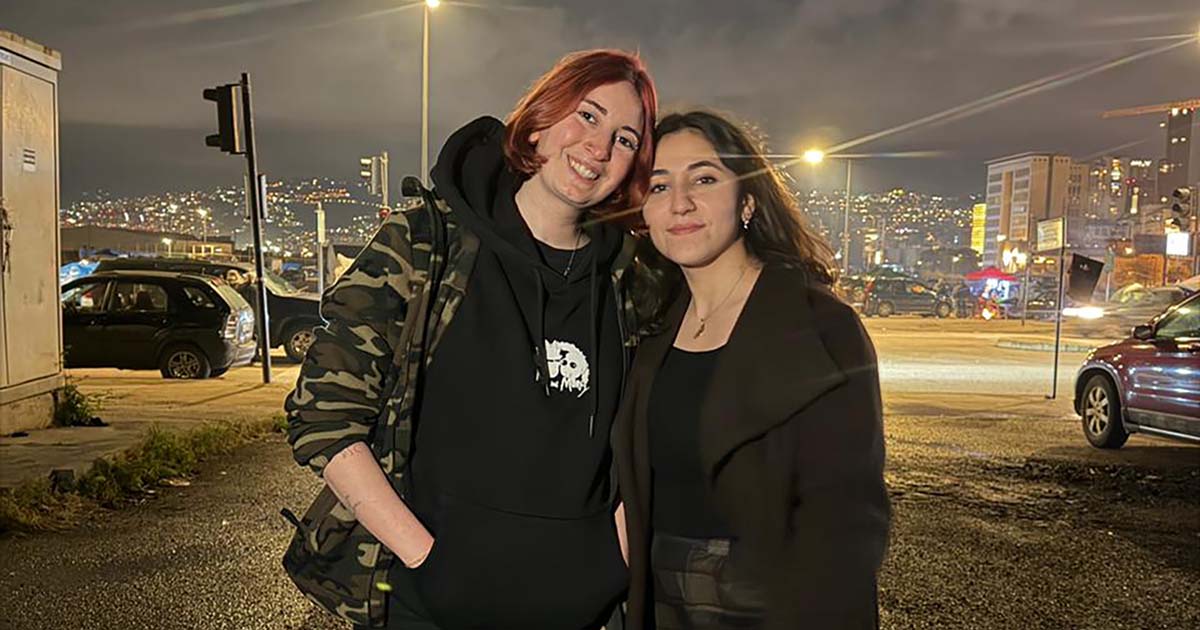
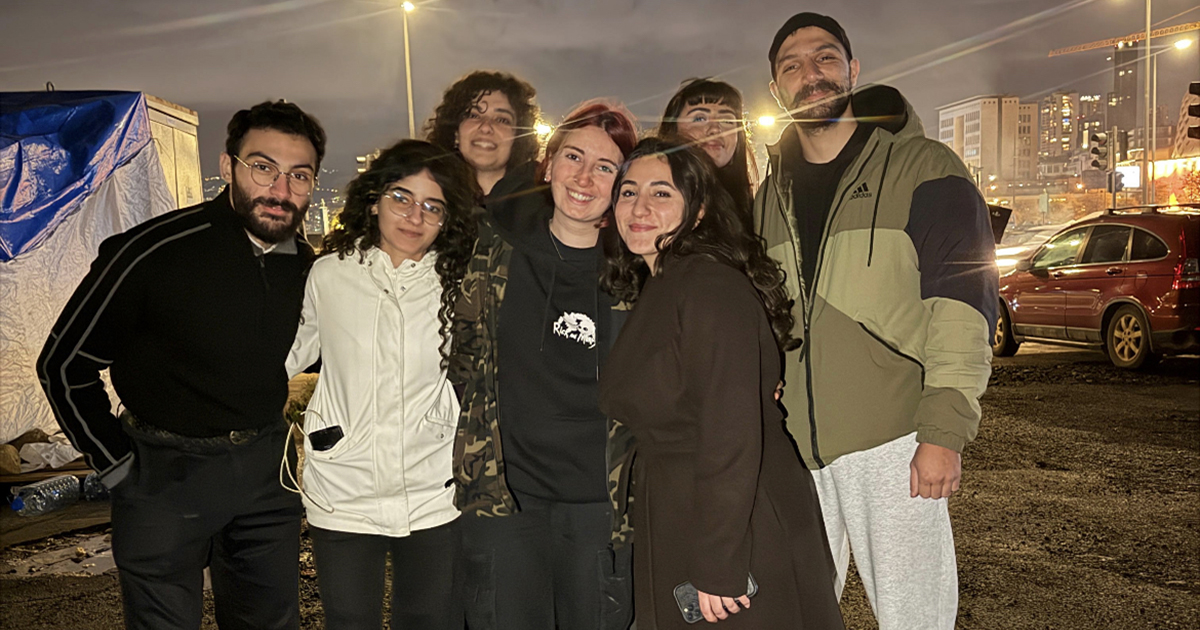
Combining their expertise and shared vision, they co-founded One People, a family-centered initiative dedicated to delivering aid where it is least accessible and most urgently needed. Rather than operating at scale, their approach emphasizes human connection, working with families on the ground to assess individual needs and “provide direct, personalized, and dignified relief,” as they describe it.
One People has worked diligently to fill the gaps left by other organizations. True to its name, it seeks to foster solidarity across Lebanese communities, prioritizing unity over resentment. “We wanted to challenge the stereotype that our youth is divided,” they explained. “We are all concerned, and we all have a duty to support one another.”
Doumit and Fakih’s altruism has been infectious, drawing in a community of volunteers that have transformed into an organic support system. To date, the initiative has reached 70 families, providing essentials such as clothing, bedding, gas, hygiene products, and everyday household items like cookware. They have also connected families with critical services, linking them to medical providers, food assistance networks, and more.
Their time at LAU played a pivotal role in shaping this work. Their studies deepened their understanding of systemic gaps in emergency response, gender equity, and displacement policy, while faculty support further encouraged their engagement and initiative.
Looking ahead, the One People team aims to expand its reach and introduce psychosocial support programs for both children and adults—an often overlooked but essential dimension of recovery. In the long term, they plan to transition into post-war relief, continuing to stand by the families they have supported throughout the crisis.
Offering advice to fellow LAU students eager to make a difference, Doumit and Fakih stated: “Start by asking yourself what kind of Lebanon you want to live in, and then take active steps toward building it. Real impact begins by listening, engaging with people, and understanding their needs firsthand. When you take the time to hear different perspectives, your motivation and sense of purpose begin to take shape.”


