ELE Apps Prepares Future-Ready Engineers Through Real Projects
An Electrical Engineering course gives LAU engineering students hands-on experience through real-world electrical and lighting projects with municipalities and industry partners.
At LAU’s School of Engineering (SOE), the classroom is often just a starting point. This past spring, the Electrical Engineering Applications (ELE Apps) course took that idea further by having students trade theory for practice through industry-related projects, community partnerships, and direct exposure to on-site engineering.
“This is exactly the kind of learning we aim to cultivate at the SOE,” said Dean Michel Khoury, “where students apply their knowledge to real projects, work with communities and industry partners, and develop the judgment, responsibility, and practical skills expected of future-ready engineers.”
The ELE Apps course, taught by instructor Ehab Shayya, gave students the technical skills to respond to specific engineering challenges, while introducing them to the professional methods and practices that prepare them for the workplace.
Working on projects rooted in real needs, students learned to assess problems, develop solutions, and weigh the technical requirements behind engineering design and implementation.
The focus this semester centered on infrastructure, lighting design, and electrical systems through a collaboration with Amchit Municipality on the Zakrit–Amchit Lighting Project.
According to Shayya, this collaboration provided the students with a valuable opportunity to apply their engineering knowledge to a real project, while serving the community and preserving local heritage.
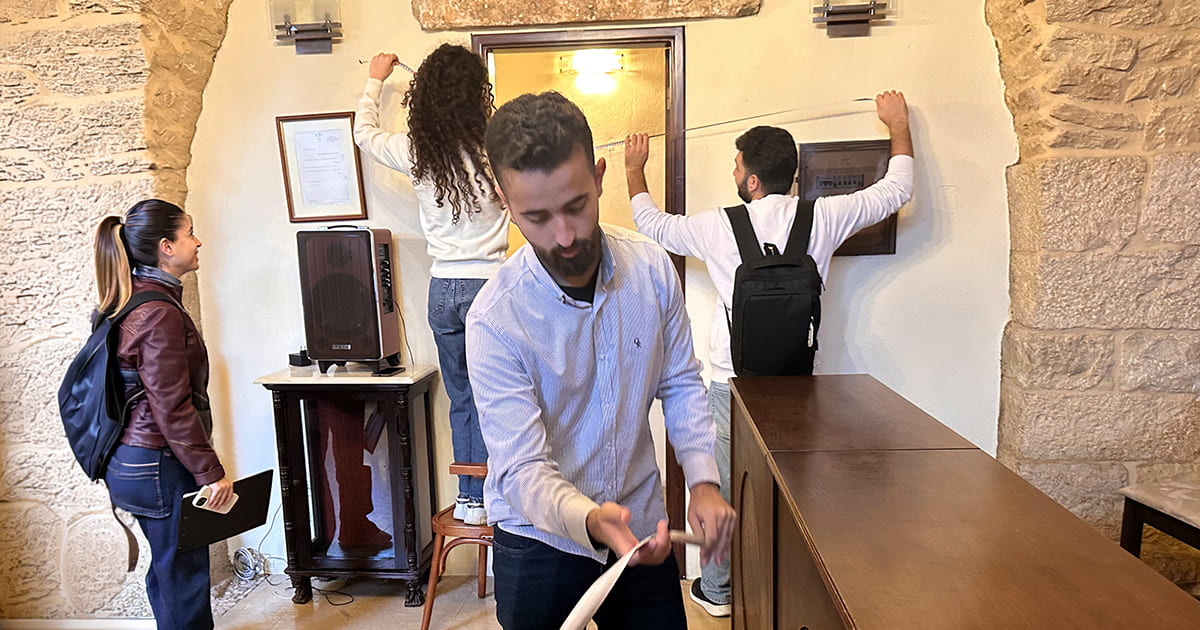
Under the theme “Where Lights Meet Heritage: Zakrit–Amchit Lighting Showcase,” students worked on the design of power, lighting, and low-current systems for the Zakrit–Amchit building.
Through site visits and technical assessments, they studied the requirements of the location and developed engineering designs that balanced functionality, energy use, and the site’s heritage identity.
By designing solutions for a municipal project, students experienced the responsibilities of professional engineers, weighing technical requirements, environmental conditions, architectural context, and user needs to create practical solutions with a direct impact on the community.
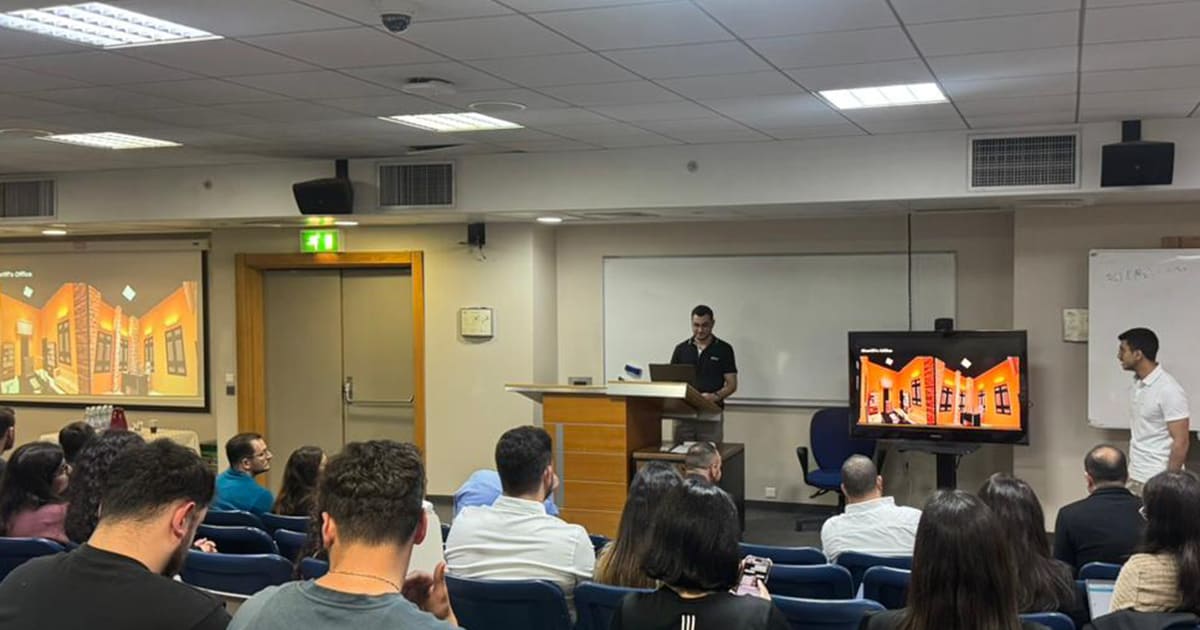
Their work culminated in a final project presentation that brought together LAU faculty members, representatives from Amchit Municipality, and industry partner Vice Debbas Lighting.
“The students demonstrated remarkable creativity and professionalism in developing lighting concepts for Zakrit Amchit,” said Representative of the Amchit Municipality Etienne El Howayeck. “We value initiatives that connect education, innovation, and heritage preservation, and we look forward to future collaborations with LAU and to building on this successful partnership for the benefit of our community.”
The partnership with Vice Debbas Lighting added another layer of professional experience by connecting students with industry practices. During a technical session, experts introduced students to professional lighting design, industry standards, and the use of lighting technologies in real projects. Students learned about the decisions, technical factors, and implementation steps that shape engineering work.
Vice Debbas Lighting also supported the project by providing lighting luminaires, allowing students to work with real products and see how design ideas become physical systems. This collaboration showed students the value of cooperation between universities and industry in preparing graduates for professional careers.
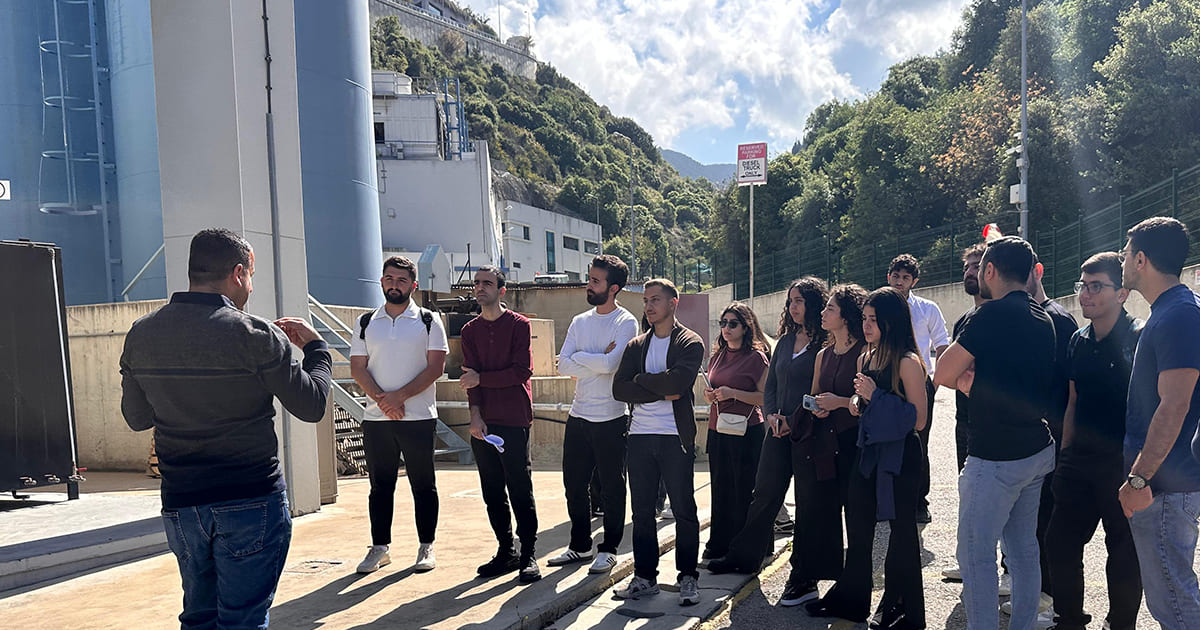
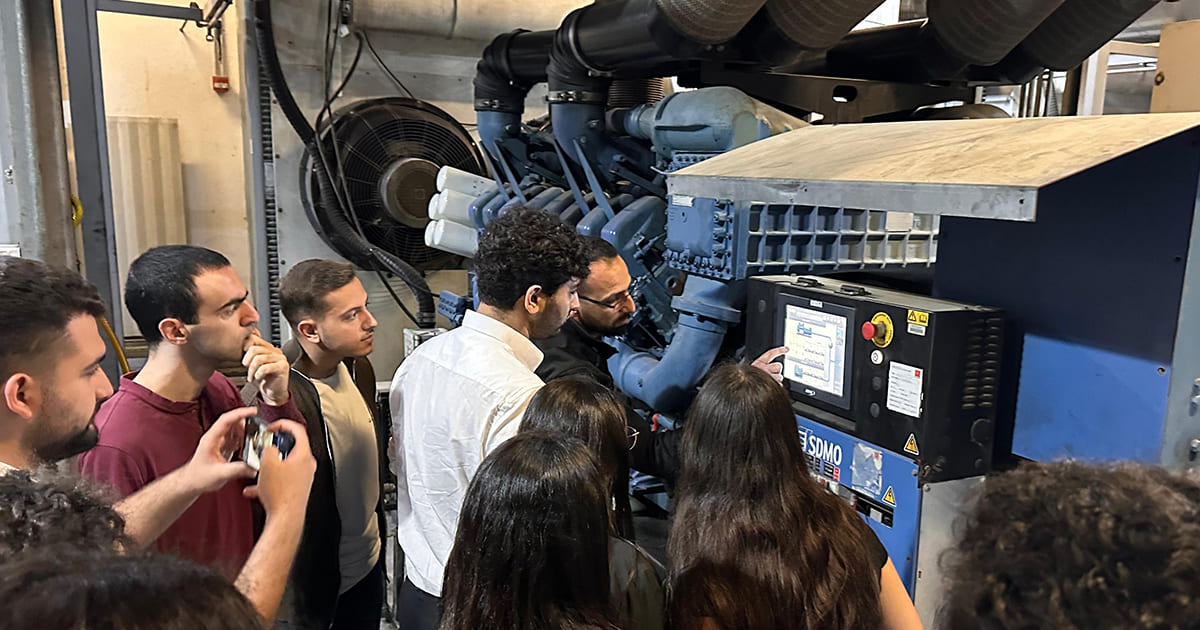
ELE Apps also included an educational visit to the LAU Power Plant, where students observed power generation systems, the Building Management System (BMS), fire alarm systems, and earthing systems. The visit helped them connect classroom concepts with the operation of real facilities and understand how electrical, control, and safety systems work together.
“This initiative reflects the Department’s commitment to integrating industry-driven projects into the curriculum while creating meaningful partnerships that serve our local communities,” said Chair of Electrical and Computer Engineering Chadi Abou Rjeily.
Dr. Abou Rjeily noted that the most rewarding aspect was seeing students think and act like engineers.
“They worked with different stakeholders, navigated real-world constraints, and confidently defended their design choices and technical decisions while engaging in meaningful discussions with experienced professionals,” he added.


