Pharmacy Students Set to Train at the Barbara Nassar Cancer Center
A new partnership gives LAU pharmacy students supervised training in oncology and community-based cancer care.
Community-based oncology training remains uncommon among the country’s pharmacy programs, and the collaboration provides LAU students with that specialized experience while laying the foundation for future partnerships between the two institutions.
Under the agreement, BNCC will host LAU pharmacy students for supervised practice and co-curricular activities tailored to their training level, helping to build their clinical skills while developing communication, professionalism, teamwork, and patient-centered care. The interdisciplinary format also opens the door to community health-awareness initiatives, exposing students to oncology pharmacy beyond the classroom.
Dean Naser Z. Alsharif noted that the agreement reflects the school’s push to deepen students’ exposure to specialized, community-based care settings. “I trust this collaboration will be an enriching and productive experience for both our students and the center,” he said.
Hani Nassar, founder of BNCC, echoed that outlook, welcoming the partnership as an extension of the center’s mission to combine patient care with education, which will “create a meaningful experience for both the students and the community we serve.”
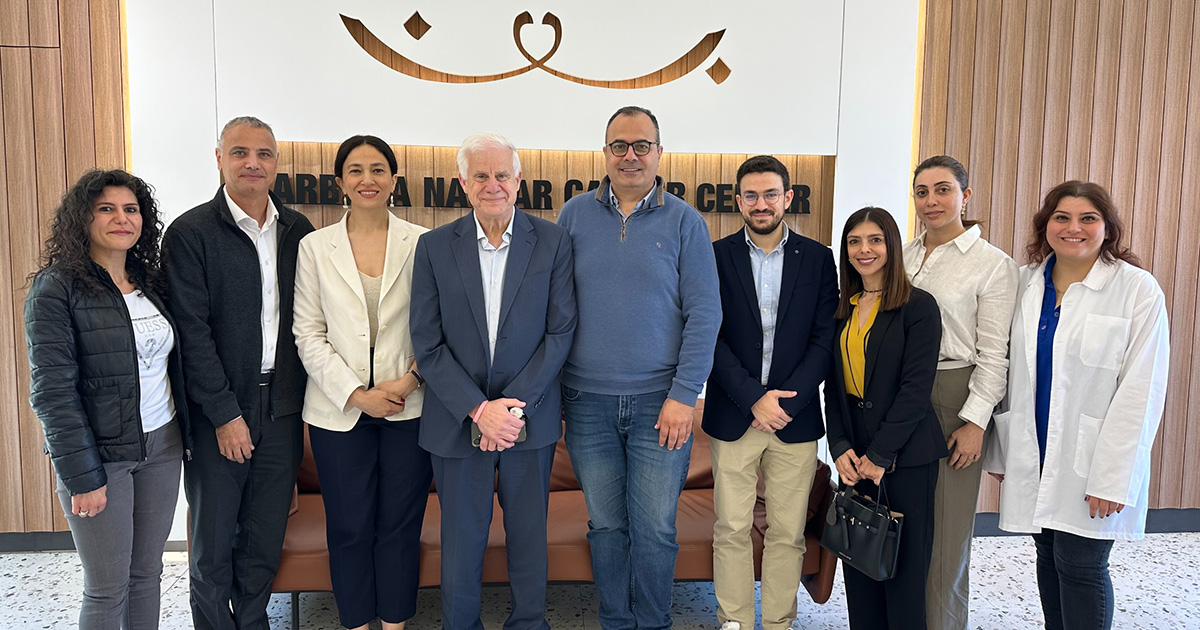
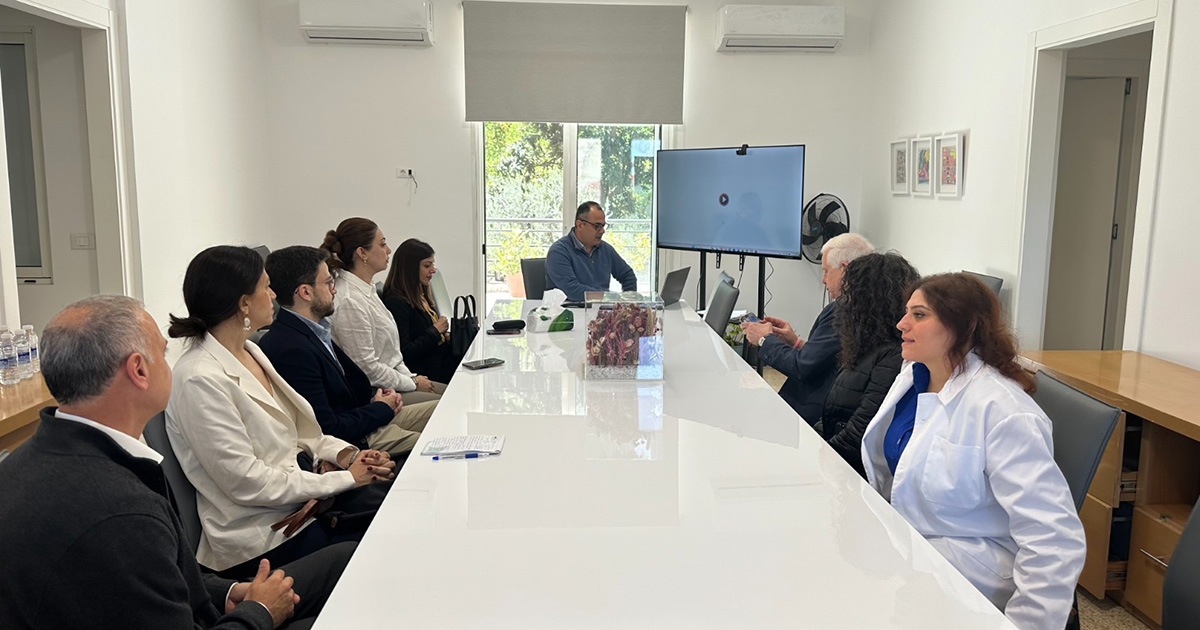
The agreement builds on an LAU delegation’s visit to BNCC on May 8, 2026. Led by Dean Alsharif and joined by Dr. Roy Kanbar, associate dean for academic affairs; Dr. Nibal Chamoun, assistant dean for experiential education; Dr. Aline Bou Maroun, co-curriculum coordinator; Dr. Carl Aoun, PGY1 residency program director; and Sarah El Hawa, administrative coordinator, the delegation toured the center and met with its leadership team.
The group observed BNCC’s integrated model of care, where pharmacy services are incorporated into patient counseling, rehabilitation, early detection, medication support, and community outreach alongside ongoing education programs. The visit also presented an opportunity for students to experience the pharmacist’s role within a multidisciplinary cancer care team, working directly with patients and the wider community.
For many students, the placement will mark their first exposure to oncology pharmacy outside a hospital setting, in a specialized clinical environment where pharmacists play a more visible role in day-to-day patient care.


