LAU Clinical Simulation Diploma Strengthens Interprofessional Training
Through immersive workshops and AI-integrated learning modules, the fifth edition of LAU’s Clinical Simulation Diploma advances simulation-based training for healthcare professionals.
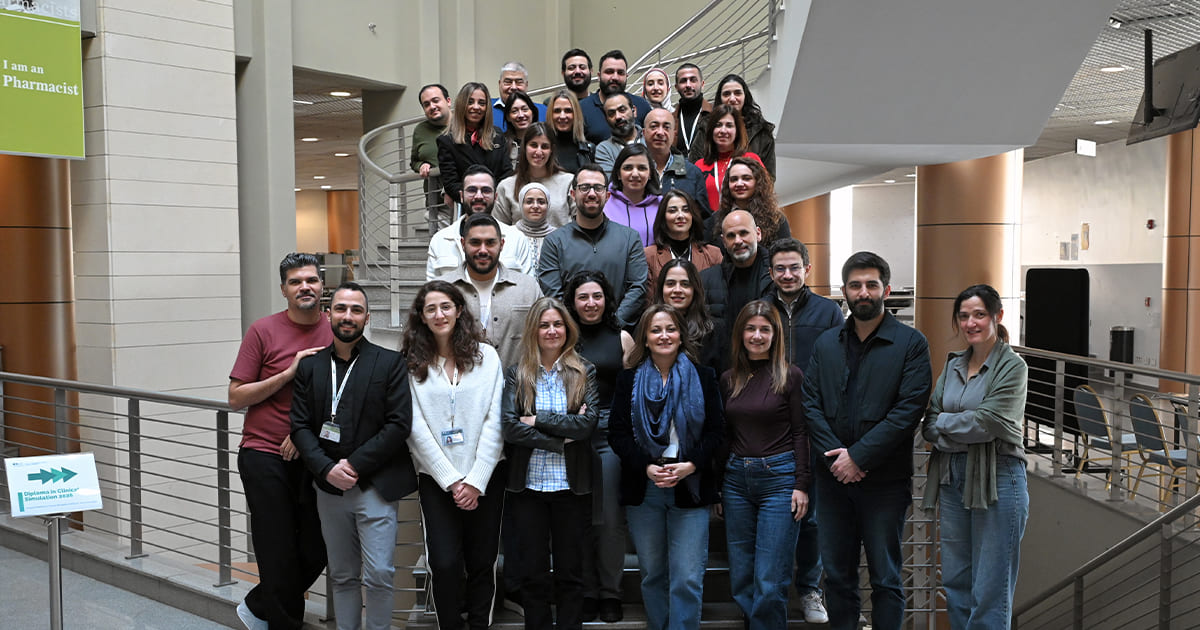
As healthcare systems place greater emphasis on technological literacy and collaborative practice to ensure patient safety, the Clinical Simulation Diploma, launched by the LAU Gilbert and Rose-Marie Chagoury School of Medicine, continues to prepare healthcare professionals across disciplines for the demands of modern care.
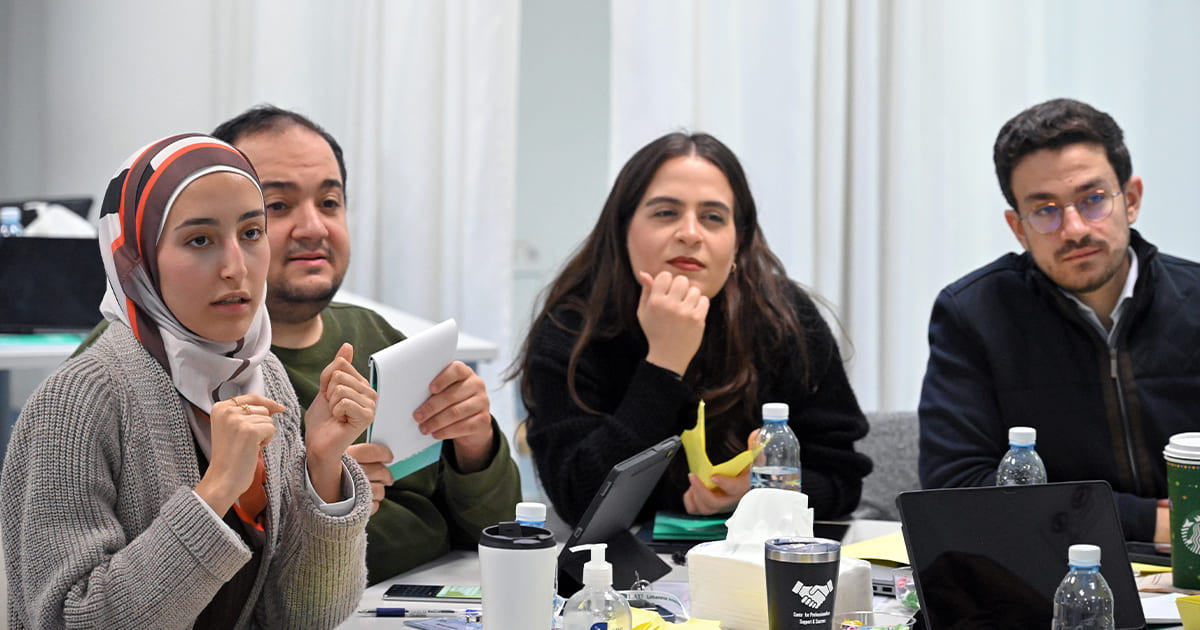
Over several months, physicians, residents, pharmacists, nurses, and healthcare educators gathered at the LAU Clinical Simulation Center (LAU–CSC) on the Byblos campus for the program’s fifth edition, which concluded on May 23. Through a blended model that combined online engagement with hands-on immersive training led by local and international experts, participants strengthened their expertise in simulation-based education while exploring artificial intelligence, immersive learning, and adult learning theory.
“The future of healthcare belongs to those trained not only in the science of medicine, but in the art of collaboration and the courage to innovate,” said Dean Sola Aoun Bahous. “The Clinical Simulation Diploma is a testament to LAU’s commitment to building a workforce ready for the challenges of today, and those we have yet to imagine.”
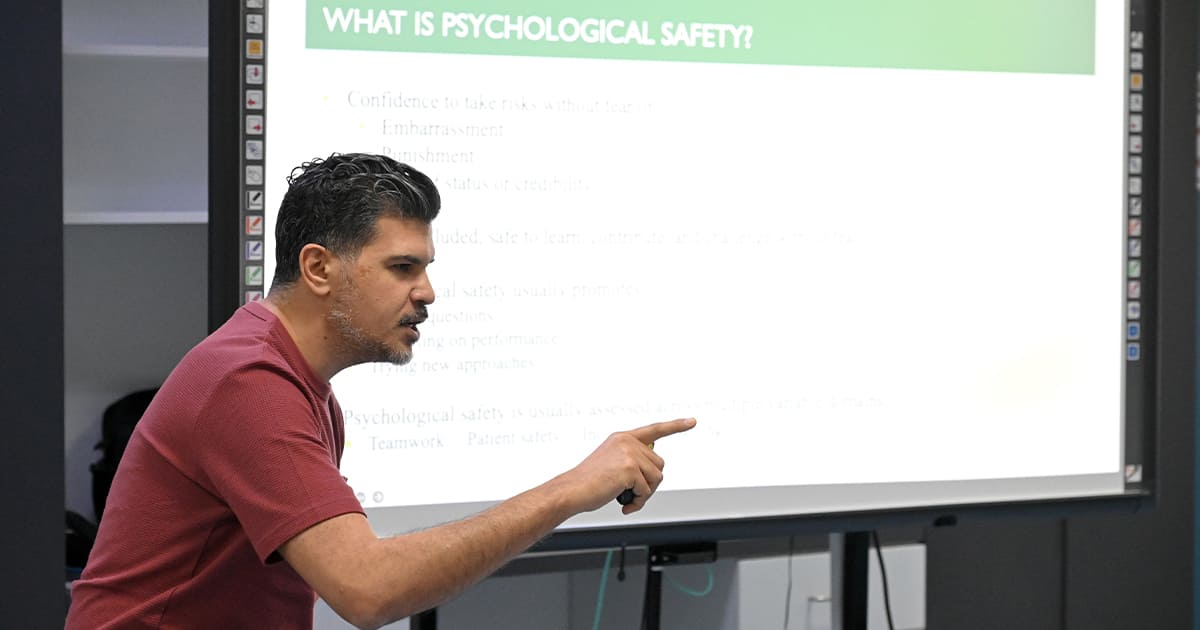
Dr. Wael Salame, clinical assistant professor and associate director of the LAU–CSC, noted that this year’s edition built on previous cohorts while responding to evolving priorities in healthcare education. “A key development was the integration of technology-driven approaches,” he said, “particularly artificial intelligence and immersive learning tools.”
The diploma also encouraged collaboration among participants from different healthcare backgrounds, including medicine, nursing, and pharmacy, across Lebanon, reflecting a growing shift toward integrated healthcare education.
The focus on this interprofessional play between disciplines, added Dr. Salame, serves to equip healthcare professionals in the local and international community, and not only those at LAU.
Dr. Salame emphasized that the curriculum was intentionally designed around adult learning theory, ensuring alignment between pedagogy and practice. “We taught adult learning theory, but we also worked on making sure the curriculum itself was based on adult learning theories,” he said. Workshops on AI-assisted assessment, avatars, and instructional design allowed participants to engage with simulation both as a method and as a structured educational framework.
As an emergency medicine physician, Dr. Rachid Rahme, clinical instructor and chief of the section of emergency medicine at the LAU Medical Center–Saint John’s Hospital, viewed the diploma as a way to stay current with rapid changes in healthcare education and clinical practice. He explained that the frameworks explored in the program can inform decision-making in high-pressure emergency room settings, including triage and diagnostics.
According to him, simulation creates a shared framework across healthcare professions, helping standardize care and improve preparedness among teams entering clinical environments.
For Dr. Yara Chehab, an LAU postgraduate year (PGY) V radiology resident, joining the program helped to shift her perspectives from learner to examiner, deepening her understanding of the educational value of simulation while also heightening her sensitivity to the stress students often experience during assessments.
“Psychological safety for me is the most important part of it,” she said, noting that simulation can help reduce fear and anxiety by allowing learners to practice procedures and communication skills before working with patients.
Similarly, Mikhael Kossaify, an USEK PGY III cardiology resident, described the program as a safe environment for rehearsing acute clinical scenarios and reinforcing the role of simulation in developing leadership and crisis management skills. “As cardiologists, we often encounter time-critical management like cardiogenic shock, arrhythmias, or cardiac arrest,” he said. “Through simulation, we can rehearse the situation in a safe environment without putting the patient at risk.”
The program, he added, also strengthened his ability to lead teams and mentor junior residents.
Peggy Germanos, a pediatric nurse and lecturer at the University of Balamand, found that the program supported her institution’s expanding use of Objective Structured Clinical Examination (OSCEs) and deepened her understanding of structured assessment in clinical education. “The workshops are beneficial because we are writing scenarios, checklists, and assessments,” she said, noting that the process provides the essential material needed to develop clinical scenarios later.
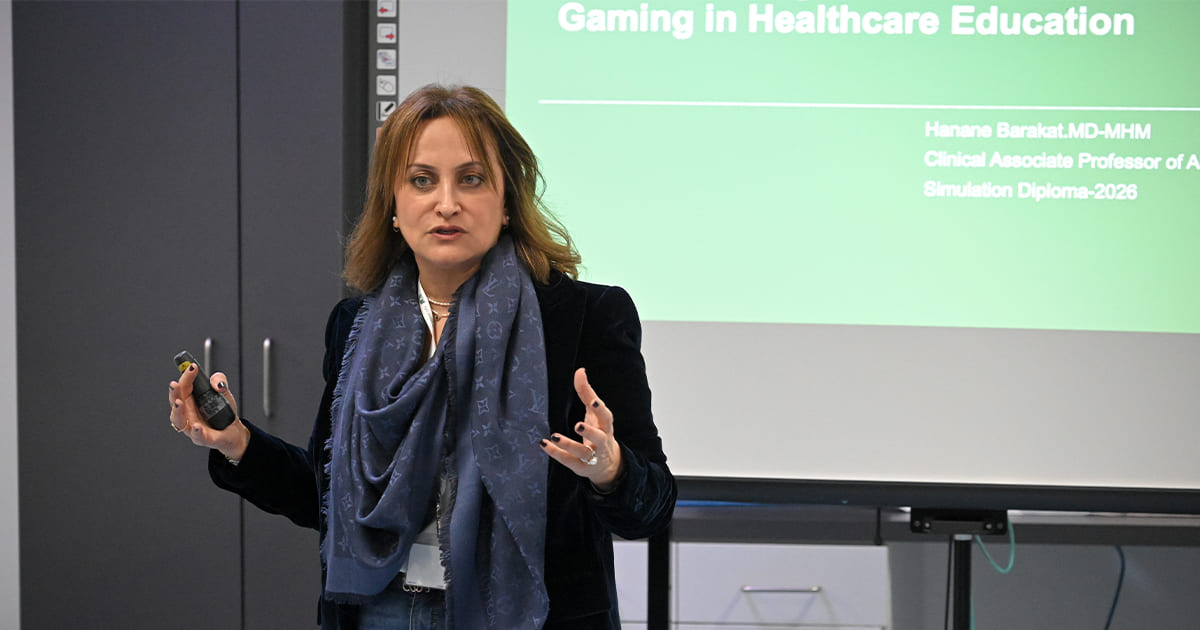
Dr. Hanane Barakat, director of the LAU–CSC, noted that the success of the diploma reflects the growing role of simulation in shaping the future of healthcare education.
Across disciplines, participants framed the diploma as a shift in how healthcare education is structured and experienced, with simulation serving as both a pedagogical tool and a bridge between theory and clinical practice.
Dr. Barakat reiterated the center’s commitment to innovating and expanding its programs, while integrating technological advances, “to serve as a regional hub for simulation-based education and to contribute to the development of a safer, more collaborative healthcare system.”


