A First Regional Look at Ultra-Processed Foods and Nutrient Gaps Among Cancer Survivors
Dr. Jana Jabbour and co-authors highlight the need for healthier food environments and better dietary guidance for survivorship, based on new evidence.
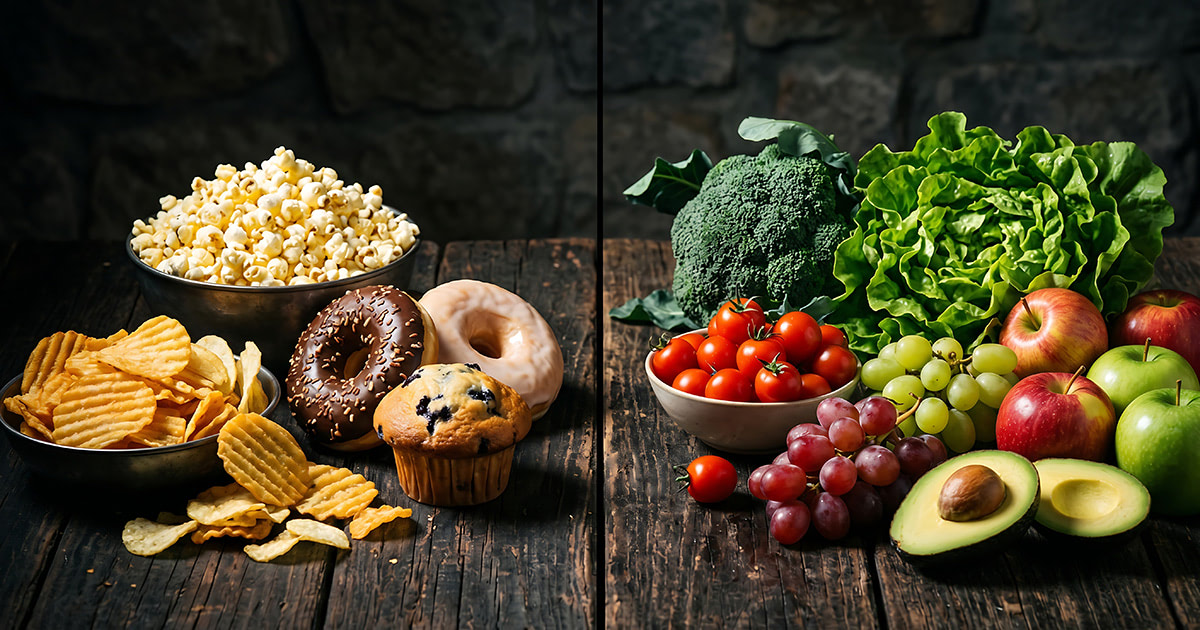
For cancer survivors, treatment is only the first step of recovery. What comes after, including food choices, access to healthy meals, and nutrition advice, can impact strength, immunity, quality of life, and long-term health.
In Lebanon, where cancer care has been strained by the economic crisis, medication shortages, and unequal access to services, data on survivors’ diets is key. Without sufficient evidence, clinicians and policymakers struggle to identify missing nutrients, the foods that lead to poor diet quality, and the needed support.
In the first-of-its-kind regional study “Ultra processed food consumption and nutrients adequacy among cancer survivors in Lebanon,” published in BMC Public Health, Dr. Jana Jabbour, assistant professor of nutrition at the School of Arts and Sciences, and co-authors examined whether ultra-processed foods (UPFs) were associated with poorer nutrient intake among cancer survivors.
Co-led by Dr. Sally Temraz, associate professor of clinical specialty at the American University of Beirut (AUB), the study was conducted by a multidisciplinary team of researchers from LAU, AUB, Université Sorbonne in France, and Weill Cornell Medicine in Qatar.
For the survey, 268 adults who had been in remission for at least three months over four years completed a validated food-frequency questionnaire, and foods were classified using the NOVA classification, a method that ranks them by level of processing. The researchers also calculated whether participants were getting enough vitamins and minerals for their age and gender.
The study found that UPF intake accounted for 8 percent of total food weight and 18 percent of total energy intake, lower than previously reported in the general Lebanese population. Western sweets, potato chips, spreadable cheeses, ice cream, and biscuits were the top contributors. Higher UPF intake was significantly associated with higher daily energy, carbohydrates, protein, total fat and saturated fat. Saturated fat rose from 13 percent of energy intake in the lowest ultra-processed food group to 19 percent in the highest. Fiber, trans fats, monounsaturated fats, and polyunsaturated fats did not differ significantly.
One of the study’s most notable findings was the contrast between relatively low UPF intake and widespread nutrient inadequacy. Based on food intake alone, without supplements, nearly all participants did not meet the requirements for vitamin D (99 percent), potassium (95 percent), and vitamin A (87 percent). Almost half were deficient in calcium and niacin, around one-third in thiamin, and about one-quarter in zinc and folate. Calcium, potassium, thiamin, and vitamin C inadequacy differed significantly across UPF food groups.
According to Dr. Jabbour, these shortfalls carry real health consequences for cancer survivors. “Vitamin D is essential for bone health and immune function, vitamin A supports tissue repair and cellular defense, and potassium is critical for cardiovascular and metabolic health,” she explained.
For cancer survivors, these nutrients matter even more because recovery is not only about being cancer-free. As this group faces an elevated risk of functional decline, disease recurrence, and other chronic conditions, micronutrients play a direct role in immune function, cellular repair, and inflammation control, all of which are especially critical during survivorship, she said.
In Lebanon, amid ongoing shortages of cancer medications and strained access to care, “nutrition becomes one of the few powerful, modifiable levers that survivors can act on,” warned Dr. Jabbour. A well-nourished body, she said, is better equipped to recover, resist recurrence, and maintain quality of life.
Dr. Jabbour explained that cancer survivors in this cohort appear to have made conscious efforts to clean up their diets after diagnosis, with UPF intake lower than both the general Lebanese population and cancer survivor cohorts in Western countries.
“The intent to eat well is clearly there,” she said, but avoiding UPFs does not automatically translate into a nutritionally complete diet. Vitamin A and potassium, for example, require a consistent intake of specific fruits, vegetables (e.g. sweet potatoes, spinach, carrots, cantaloupe) and legumes (chickpeas, moujadara, broad beans).
A companion study from the same cohort adds another concern, as 98 percent of survivors did not meet wholewheat consumption recommendations. LAU Research Assistant and study coordinator Remie El Helou stressed that this is not simply a matter of dietary preference. In Lebanon, wholewheat bread, unlike white bread, is not government-subsidized, making the healthier option systematically more expensive and less accessible, especially for food-insecure households.
Cancer survivors in Lebanon may be motivated to eat better, but they need accessible, structured, expert guidance to turn that intention into a sustainable diet. Dr. Jabbour noted that higher education was the strongest predictor of better nutrient adequacy, reflecting the role of health literacy in translating good intentions into practice. This is why, she said, dietary counseling should be integrated into routine cancer care as a core pillar of survivorship support.
Such changes are especially important given that only three percent of physicians referred their patients to a dietitian, and 76 percent of survivors received no dietary education. Timely referrals to registered dietitians should become a routine part of remission management and should be covered by public and private insurance.
At the policy level, Dr. Jabbour also pointed to the need to reconsider subsidy policies. Redirecting government support toward whole-grain staples, rather than refined white bread alone, would be a tangible step toward improving diet quality among vulnerable groups and closing the whole-grains gap.
The researchers also advocate for enhanced nutrition literacy through public health campaigns and community programs. Complementary food environment reforms, including front-of-pack labeling and restrictions on the marketing of unhealthy foods, are equally essential steps that Lebanon has yet to fully implement.
To browse more scholarly output by the LAU community, visit our open-access digital archive, the Lebanese American University Repository (LAUR).


