Managing Conflict and Preserving Legacy in Family Businesses
A conference hosted by the Institute of Family and Entrepreneurial Business explored how family businesses can balance emotion, governance, and succession planning to sustain continuity across generations.
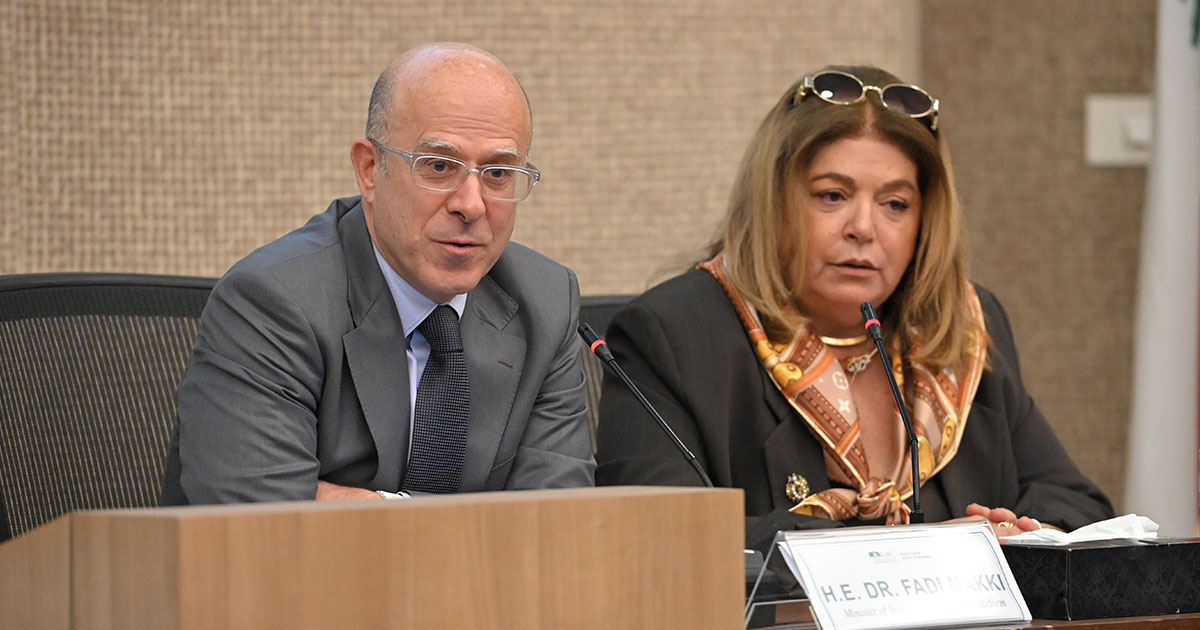
Held under the patronage of Dr. Fadi Makki, minister of state for administrative reform (OMSAR), the event titled Conflict in Family Businesses set out to examine one of the most persistent challenges facing family enterprises.
In a region where family-owned businesses remain a cornerstone of the economy, the discussions explored how conflict, when approached with clarity, structure, and foresight, can become a source of resilience rather than division.
“Family businesses are not only economic actors; they are institutions that shape jobs, communities, and long-term stability,” said Dr. Makki. “How they manage conflict, succession, and governance has implications that extend well beyond the family itself.”
From this perspective, a full day of discussions examined sources of conflict in family enterprises and proposed strategies to mitigate them.
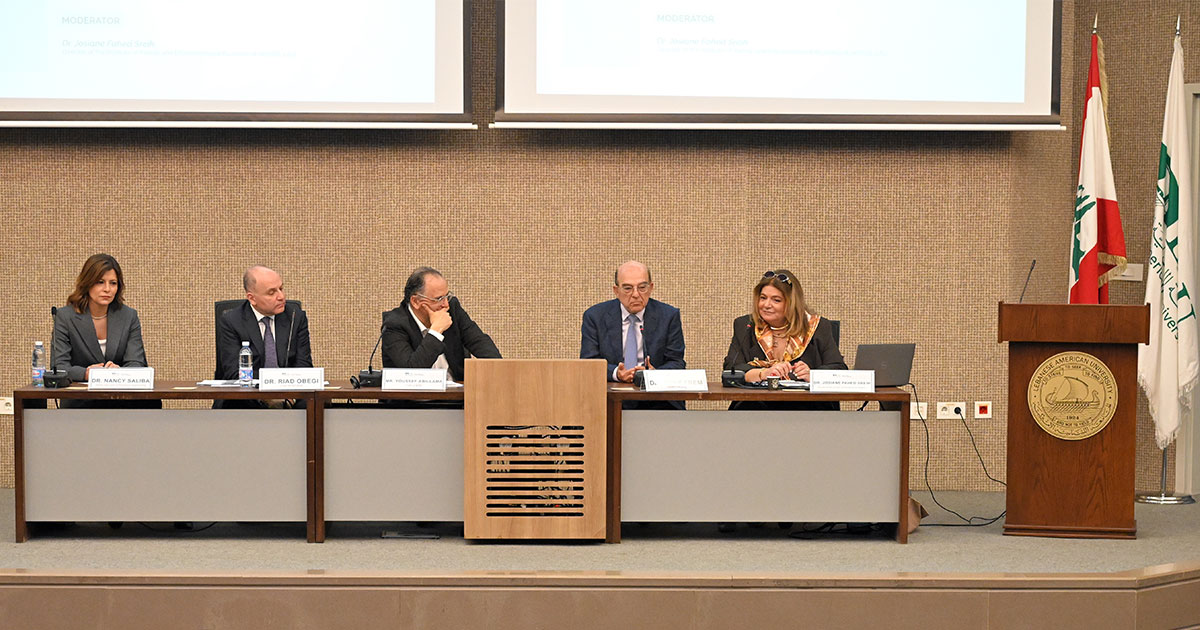
The first session featured Dr. Tony Frem, LAU trustee and co-founder of INDEVCO Group; Youssef Abillama, CEO of MMG Overseas Ltd.; Dr. Nancy Saliba, director of the Asher Center for Innovation and Entrepreneurship (ACIE) at the Holy Spirit University of Kaslik; and Mr. Roy Faraj, chief financial officer of the Obegi Group, representing Dr. Riad Obegi, LAU trustee and CEO of BEMO Bank.
Together, they explored the realities of leadership transitions, intergenerational expectations, and the personal dynamics that often complicate decision-making in family enterprises.
Family businesses, they noted, carry pressures that extend well beyond financial performance. Personal relationships, identity, and legacy often shape decisions as much as business strategy.
Yet rather than framing that complexity as a weakness, the speakers underscored the importance of governance in creating stability: Strong family businesses do not rely on goodwill alone but on accountability, clear rules, and structures that ensure fairness across generations.
Examples shared highlighted the value of independent board members, family constitutions, and objective decision-making frameworks that help separate emotion from business continuity.
To ensure smooth leadership transitions, particularly as many Lebanese family businesses undergo generational change, remarked Dr. Frem, succession planning should be embedded in the company’s culture over time rather than initiated only when it becomes urgent. Yet governance alone, speakers noted, is not enough.
The human element in conflict remained central to the discussion, particularly the role of respect, honesty, and emotional discipline in preventing disagreement from becoming division.
As Dr. Saliba emphasized, one of the greatest risks in family businesses is mistaking silence for harmony. Building trust, she noted, means creating the conditions for difficult conversations to happen honestly and early.
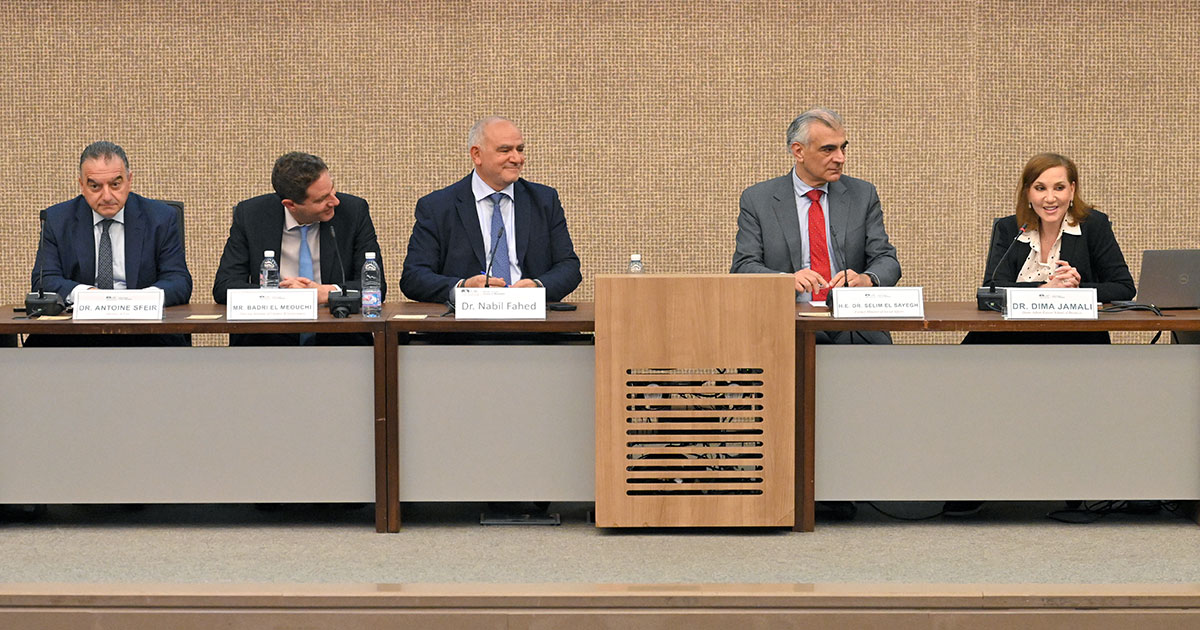
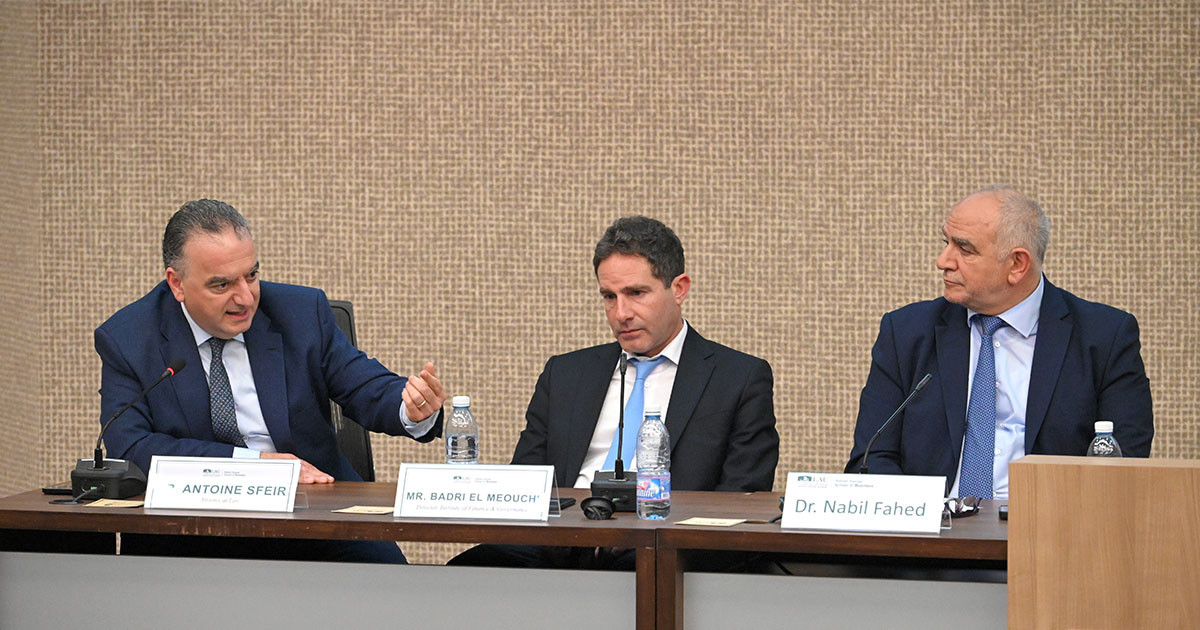
The second session, moderated by AKSOB Dean Dima Jamali, shifted to conflict resolution, negotiation, and governance, featuring Dr. Selim El Sayegh, former minister of social affairs; Dr. Nabil Fahed, CEO of Fahed Group; Dr. Antoine Sfeir, attorney at law and lecturer in international law; and Mr. Badri El Meouchi, director of the Institute of Finance and Governance (IFG).
Their discussions reinforced the importance of leadership, foresight, and governance frameworks in preventing disputes from escalating into lasting divisions. Legal preparedness, clear decision-making frameworks, and disciplined leadership emerged as essential safeguards, particularly in businesses where personal and professional boundaries often overlap.
Helping future leaders navigate that complexity requires more than theoretical knowledge, said Dr. Jamali.
“Family businesses sit at the intersection of leadership, governance, entrepreneurship, and resilience,” she added. “Preparing students to understand that reality means exposing them to theory and to the lived experiences of leaders who have managed uncertainty, disagreement, and transformation firsthand.”
For Dr. Josiane Fahed Sreih, associate professor of management and director of IFEB, that was ultimately the central lesson.
“Conflict in family businesses is often treated as something to avoid at all costs,” she said. “But conflict is not the real threat. The real risk is poor communication, unclear structures, and allowing emotions to drive decisions that should be guided by shared principles.”
While governance, succession planning, and honest communication may not eliminate disagreement, they can determine whether a family business fractures under pressure or evolves through it.


