LAU Graduates a New Batch of Simulation Ambassadors
The fifth cohort of Clinical Simulation Diploma graduates return to their institutions with new skills, shared practices, and a commitment to safer healthcare.
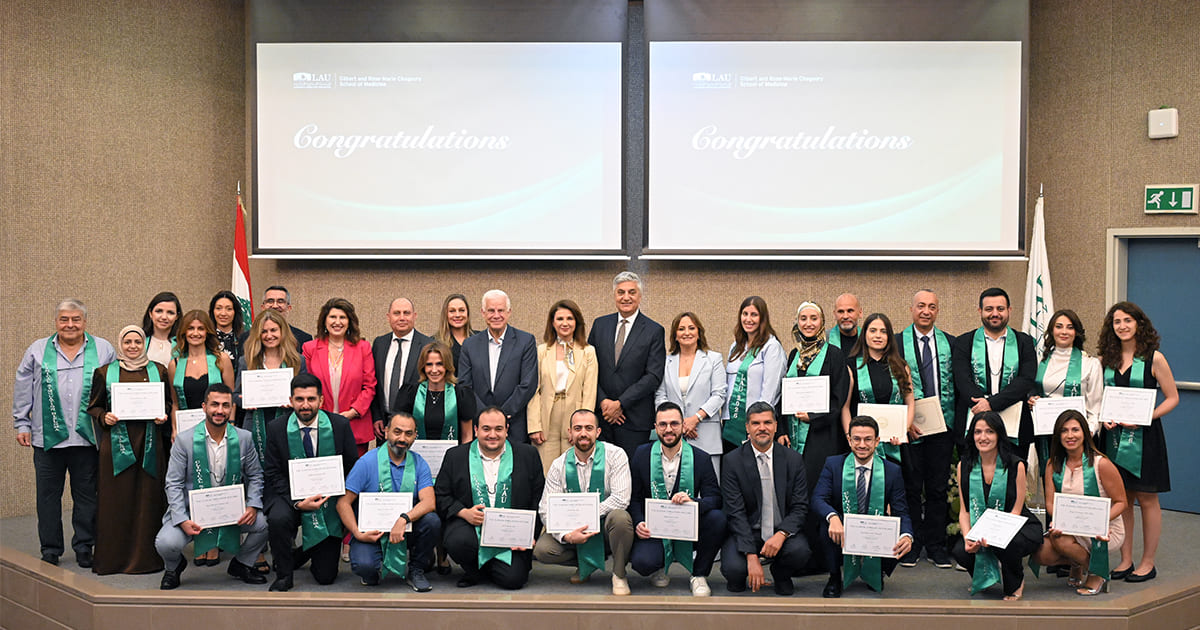
On June 27, 2026, LAU celebrated the graduation of the fifth cohort of its Clinical Simulation Diploma at the Byblos campus, honoring 31 graduates who completed six months of training in simulation-based education. The cohort included physicians, nurses, pharmacists, residents, and educators drawn together by a shared goal: strengthening how simulation in healthcare education is taught and practiced.
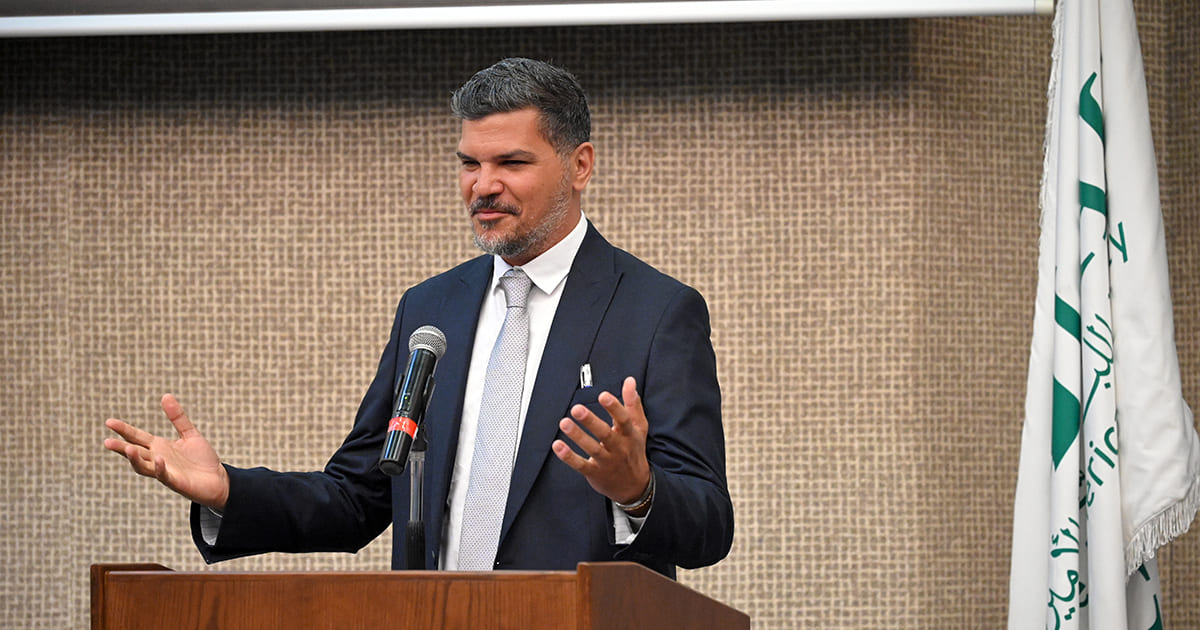
The event opened with Associate Director of the Clinical Simulation Center Wael Salame taking the podium as Master of Ceremonies and walking guests through what the graduates had accomplished.
He described the diploma as a program built on three pillars: illuminating participants on where simulation stands today — its progress, its challenges, and the road ahead; equipping them with the knowledge and practical skills to design and lead simulation-based learning; and, at its core, empowering them to lead with authority.
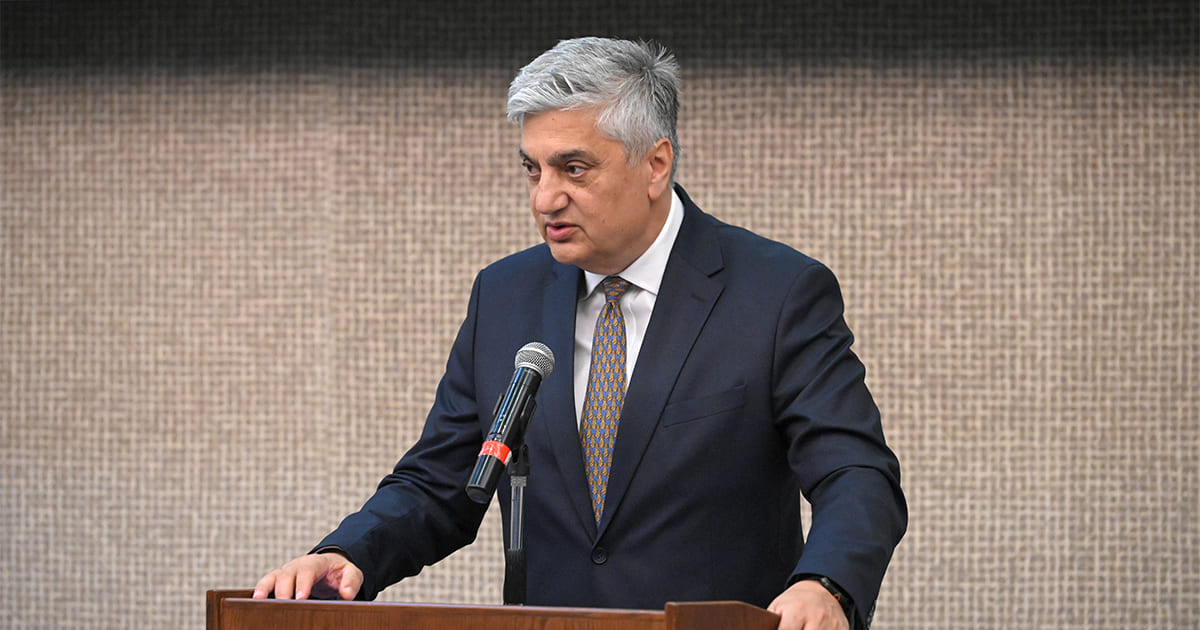
At the ceremony, LAU President Chaouki T. Abdallah welcomed the graduates, faculty members, and guests, reaffirming “the university’s commitment to serving its community through education.” He praised the diversity of the graduating class and noted that simulation gives healthcare professionals the chance to build confidence and strengthen their skills before caring for patients.
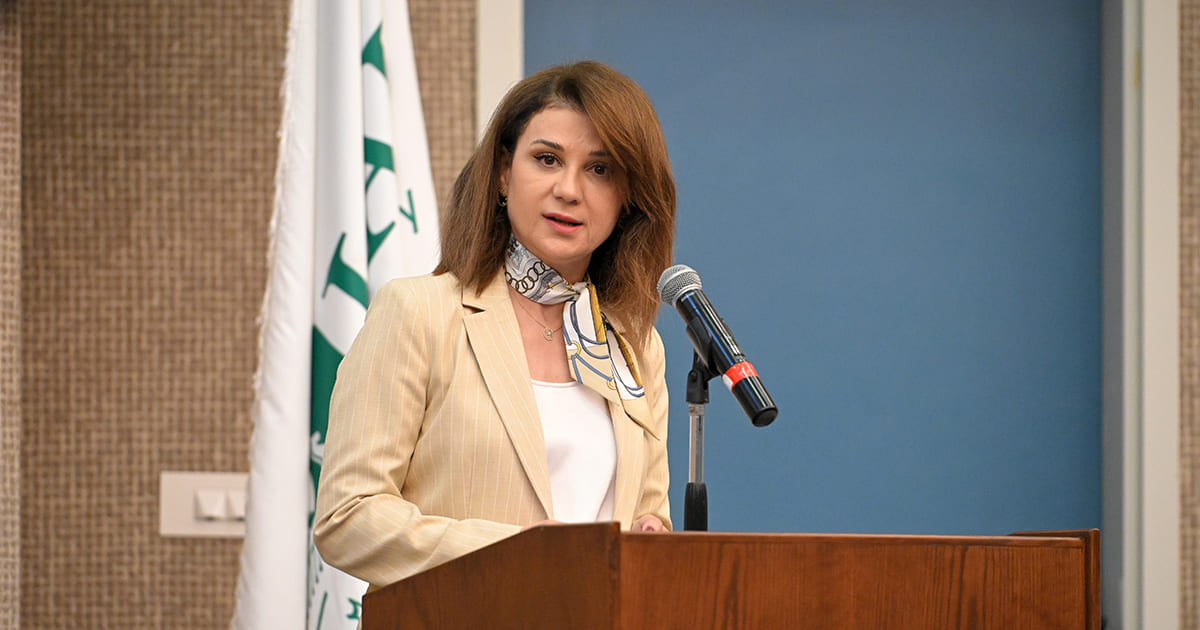
That emphasis on learning through practice shaped the remarks of Dean of the Gilbert and Rose-Marie Chagoury School of Medicine Sola Aoun Bahous, who spoke about the value of creating safe environments where mistakes present opportunities to learn rather than risks to patient care.
“The most irreplaceable thing you carry out of this program is not technical knowledge. It is the judgment,” she said. “That judgment cannot be downloaded. It was built over the months you spent here, across every session, every scenario, every debrief you watched and participated in.”
Interprofessional simulation goes beyond technical training, added Dr. Bahous, as it strengthens communication, teamwork, and decision-making during the moments that often determine patient outcomes.
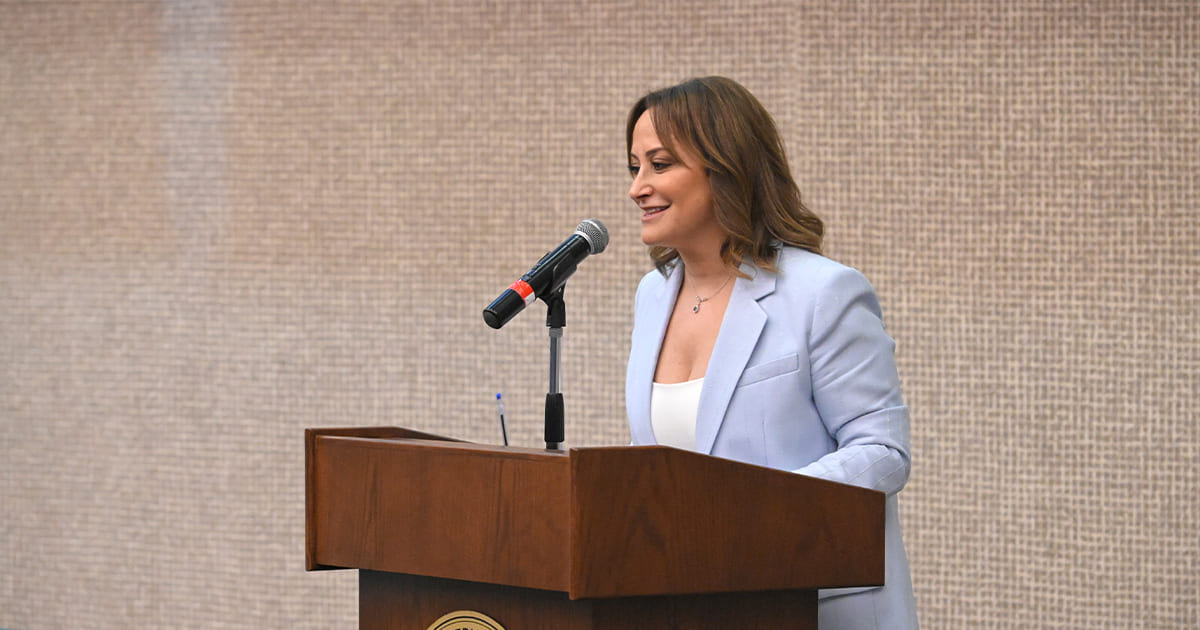
The program’s impact on professional development was also reflected in the remarks of Dr. Hanane Barakat, clinical associate professor and director of the LAU Clinical Simulation Center. She described how the diploma prepares participants to guide others through simulation-based learning.
“Over the past six months, you have learned how to design meaningful learning experiences, create psychologically safe environments, facilitate discussions, and conduct debriefings that transform mistakes into lasting lessons,” she said.
Dr. Barakat encouraged graduates to serve as ambassadors of simulation in their own institutions and help expand its use in healthcare education.
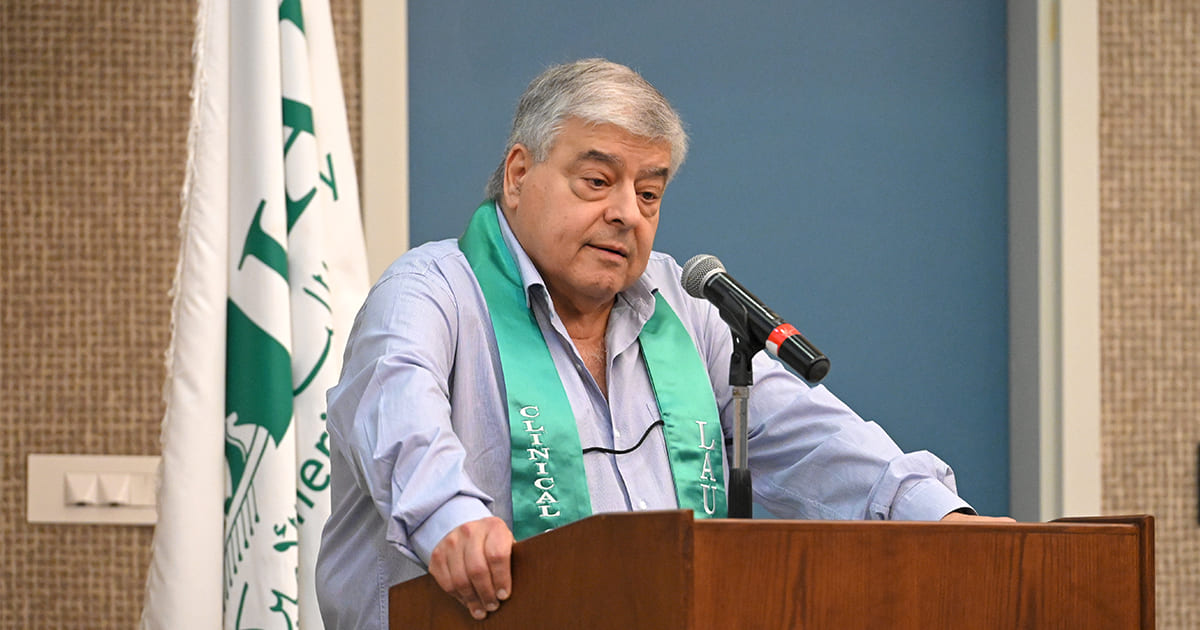
Speaking on behalf of the graduating class, Dr. Rachid Rahme, clinical instructor and chief of the Section of Emergency Medicine at the LAU Medical Center–Saint John’s Hospital, reflected on the shared responsibility healthcare professionals carry in improving patient care. “Together, we represent the full complexity of the healthcare system,” he said. “The heart of simulation is not technology but people.”
It is about allowing learners to practice and prepare before facing real situations, and creating “spaces where learners feel psychologically safe,” he added. That protected space “where we can fail, reflect, and improve before a single life is on the line,” is something that previous generations did not have.
He closed by stressing that patient outcomes depend on continuous collaboration, urging graduates to carry these lessons back to their departments. “We must advocate for simulation as part of quality improvement and patient safety,” he said. “Simulation is not owned by one specialty. It is the language of teamwork, safety, and human performance.”
With each graduating cohort, the LAU Clinical Simulation Diploma continues to expand a community of educators and healthcare professionals dedicated to transforming clinical education through simulation and ultimately improving the quality and safety of patient care.


