Lebanon’s Cultural Heritage Enters a New Chapter at LAU
Expanding on its two decades of cultural stewardship, the university inaugurates the Philip A. Salem Academy for Lebanese Heritage to preserve, study, and advance Lebanon’s identity for future generations.
For a country that occupies a small geographical area, Lebanon’s influence has transcended borders through its history, literature, the arts, and a diaspora that has taken Lebanese talent to five continents.
That rich heritage has shaped national identity and kept generations of Lebanese around the world connected to their roots. More than a record of the past, it is a shared legacy that informs the country’s future while offering common ground in a society too often divided by conflict.
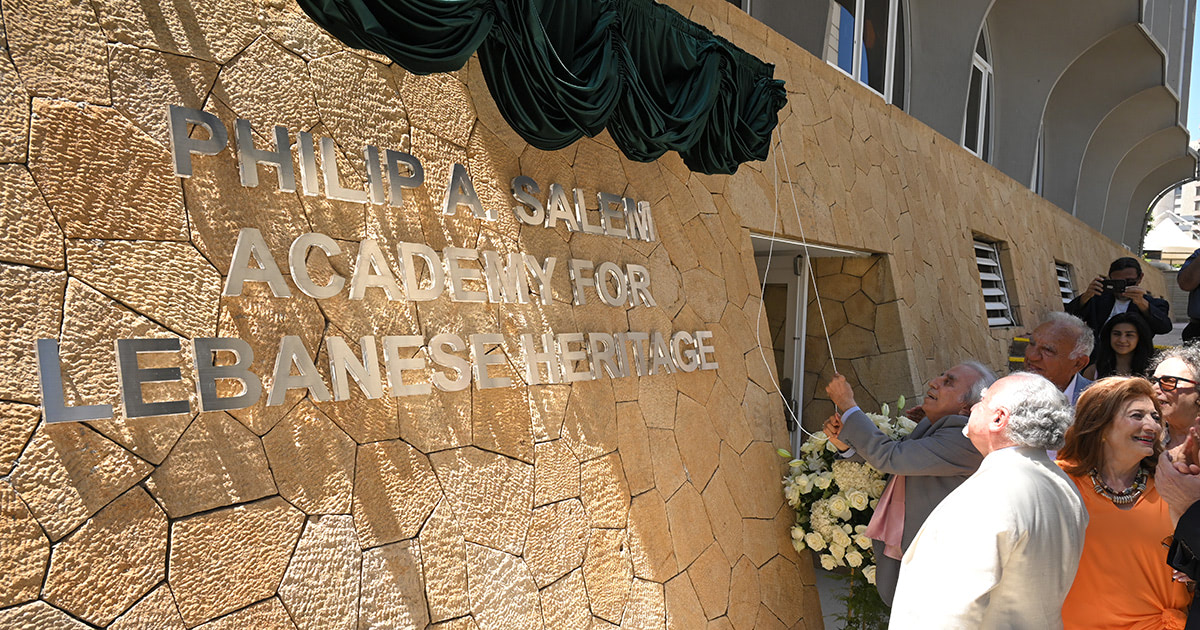
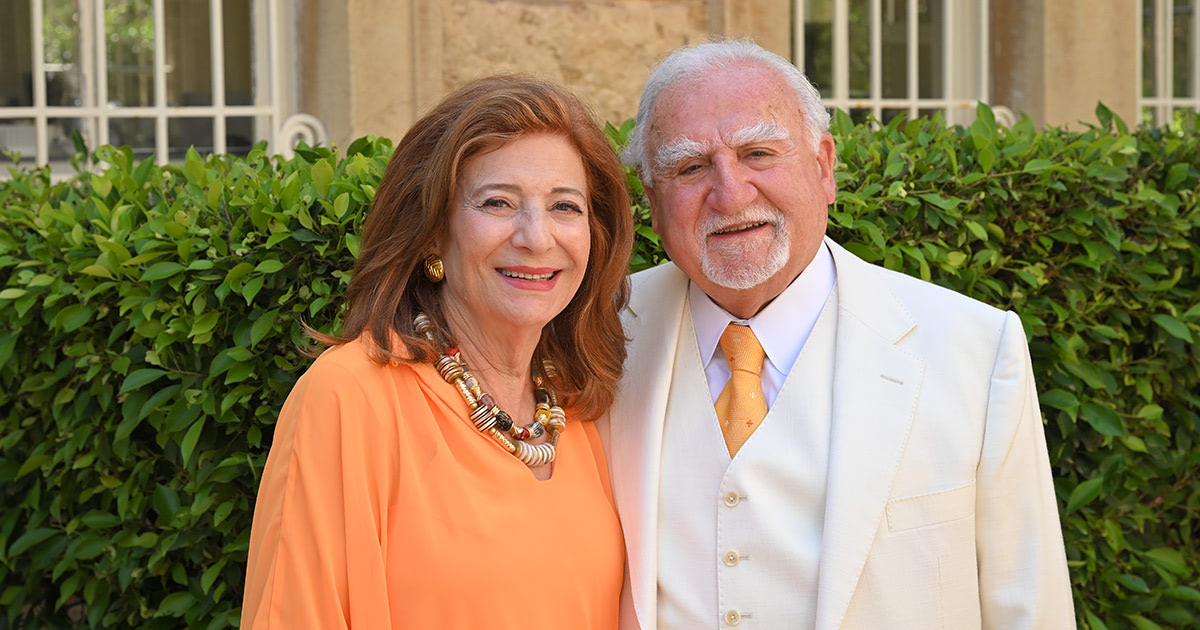
Safeguarding that legacy at LAU entered a new chapter on July 11, 2026, with the inauguration of the Philip A. Salem Academy for Lebanese Heritage, named after distinguished Lebanese American physician, scholar, and former LAU trustee, Dr. Philip A. Salem, in recognition of his generous gift to the university.
The academy builds on the work of the Center for Lebanese Heritage (CLH), founded in 2002 under the leadership of poet Henri Zoghaib, by providing a dedicated home for preserving Lebanon’s cultural heritage through research, publications, archives, and seminars, helping to ensure that it is actively studied, shared, and passed on to future generations.
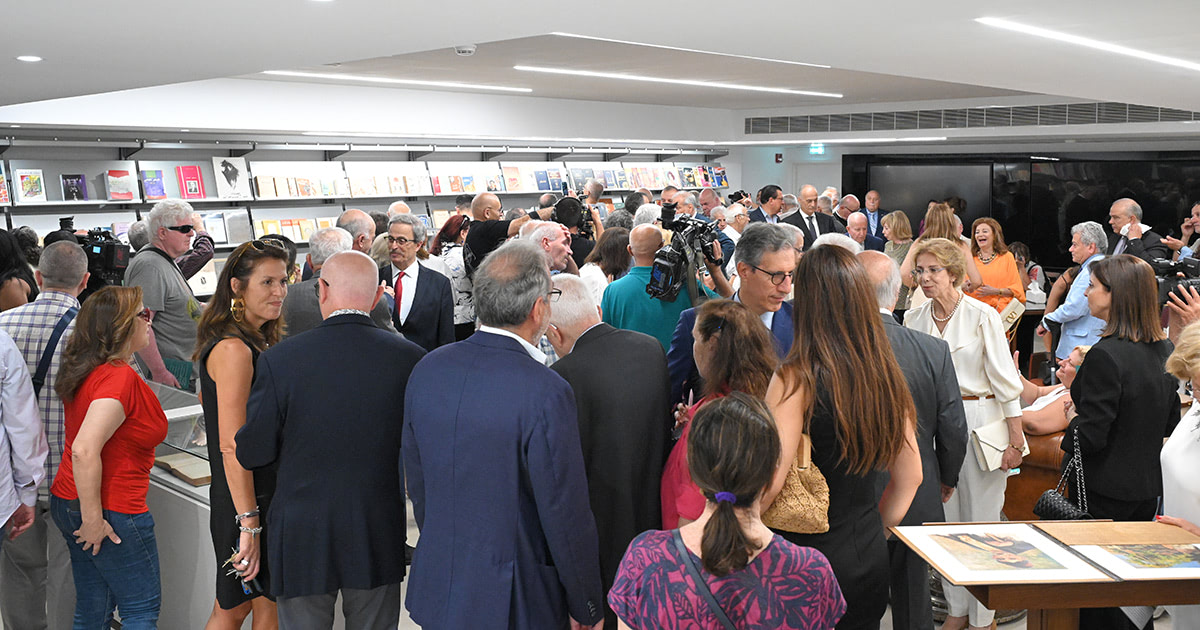
To mark the occasion, Mr. Zoghaib and Dr. Salem were joined by members of Dr. Salem’s family, Père Salim Daccache, former rector of Saint Joseph University in Beirut, the academy’s interdisciplinary advisory council, authors, poets, journalists, as well as LAU faculty, staff, and students.
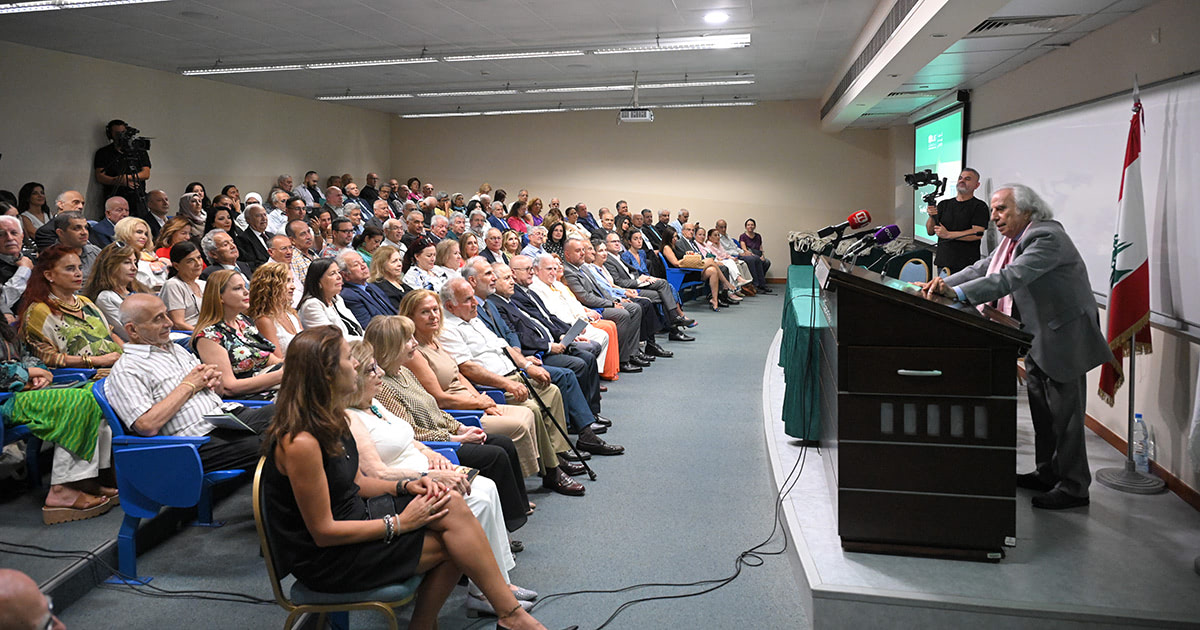
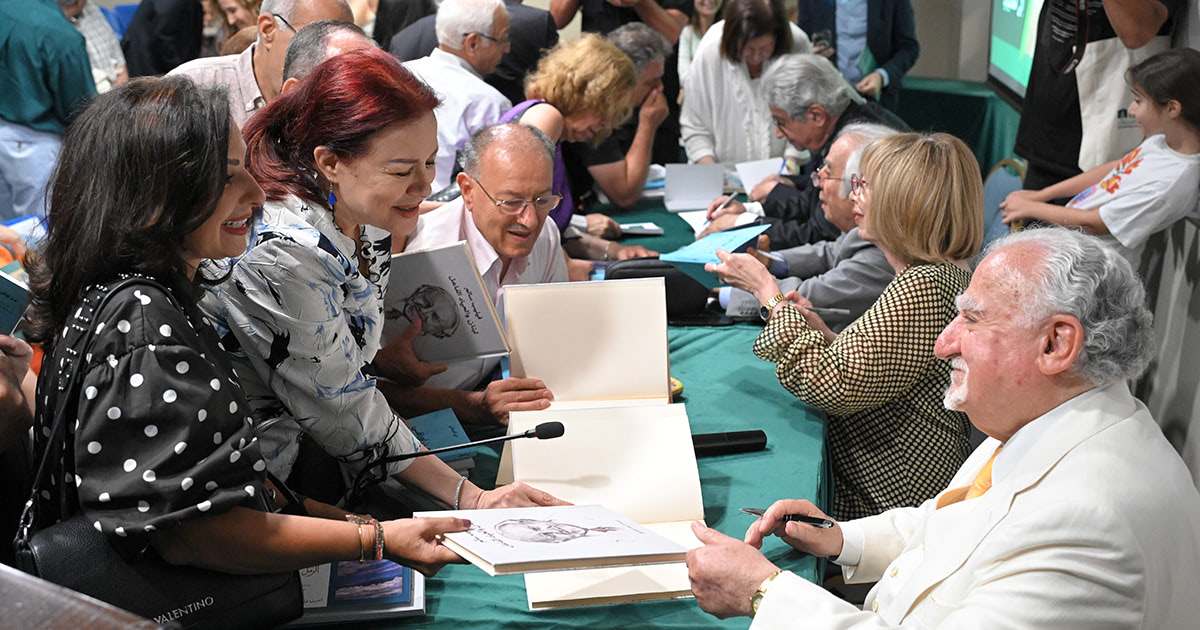
Welcoming the audience, most of whom have been devoted followers of the CLH for 24 years, Mr. Zoghaib expressed his delight in finally having a dedicated space for the academy’s repositories and activities. He conveyed LAU President Chaouki T. Abdallah’s regret to Dr. Salem for his absence due to being called away on university business.
In a videotaped message, Dr. Abdallah remarked that this milestone represented a renewal for the CLH, the “dynamic center” that has never ceased its work and rewarded the community with “the rich fruits of Lebanon’s heritage.” As it enters a “new spring,” the academy, “inspired by the man whose name it bears, will continue his lifelong commitment to preserving Lebanon’s heritage, for heritage is another name for identity,” he said.
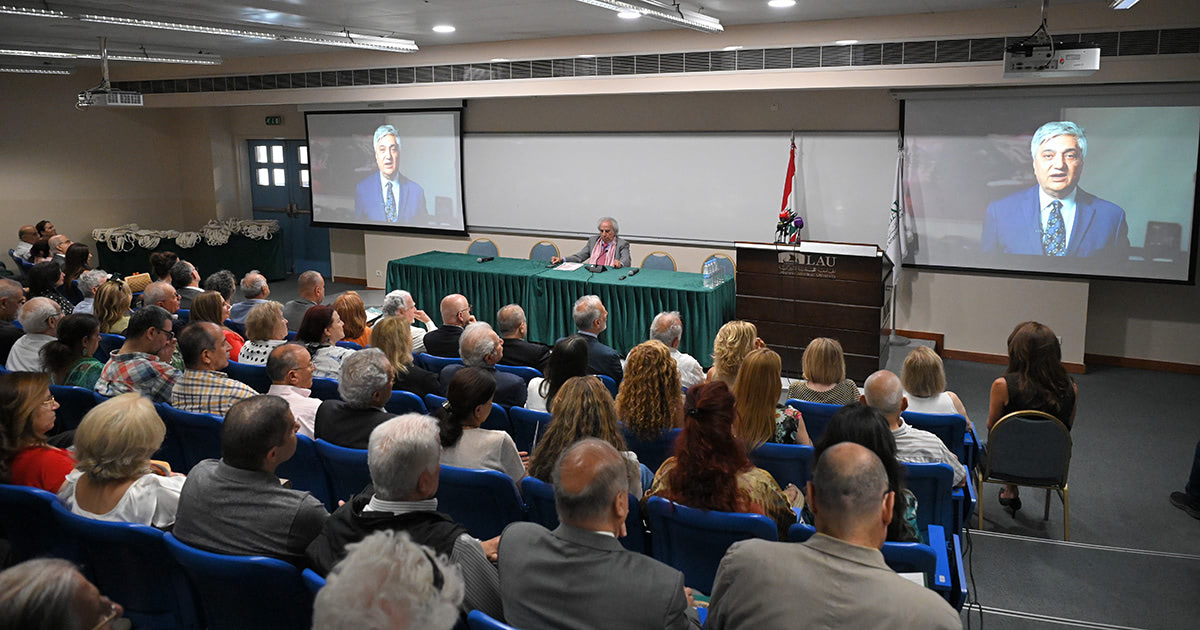
While Dr. Salem has earned worldwide recognition for his pioneering research on cancer, added Dr. Abdallah, “a clear national vision runs through his writings, publications, and political position, that celebrates Lebanon’s glory, its history, and its civilization.” It is for this reason that “the university has entrusted him with helping guide and support this academy.”
For Père Daccache, the official opening of the academy was not “merely a university event, but a national cultural milestone made possible through the vision of President Abdallah.” It was, he said, “a new home for culture and a beacon devoted to preserving Lebanon’s identity and its enduring message.”
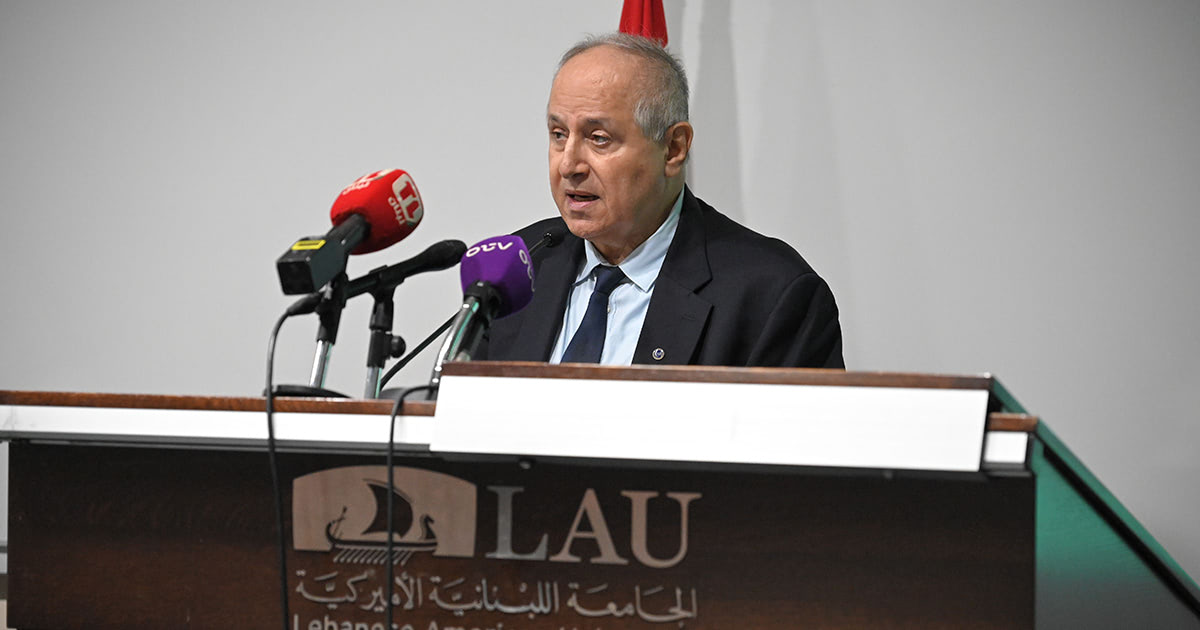
Père Daccache went on to praise Mr. Zoghaib, the driving force and intellectual architect of the CLH, and LAU for recognizing that “the mission of a true university extends beyond teaching, research, and service,” to safeguarding the cultural heritage that shapes the identity of its society and ensures the continuity of its civilization.
In doing so, “LAU has established itself not merely as an institution of higher learning, but as a guardian of our national memory and cultural conscience,” he added.
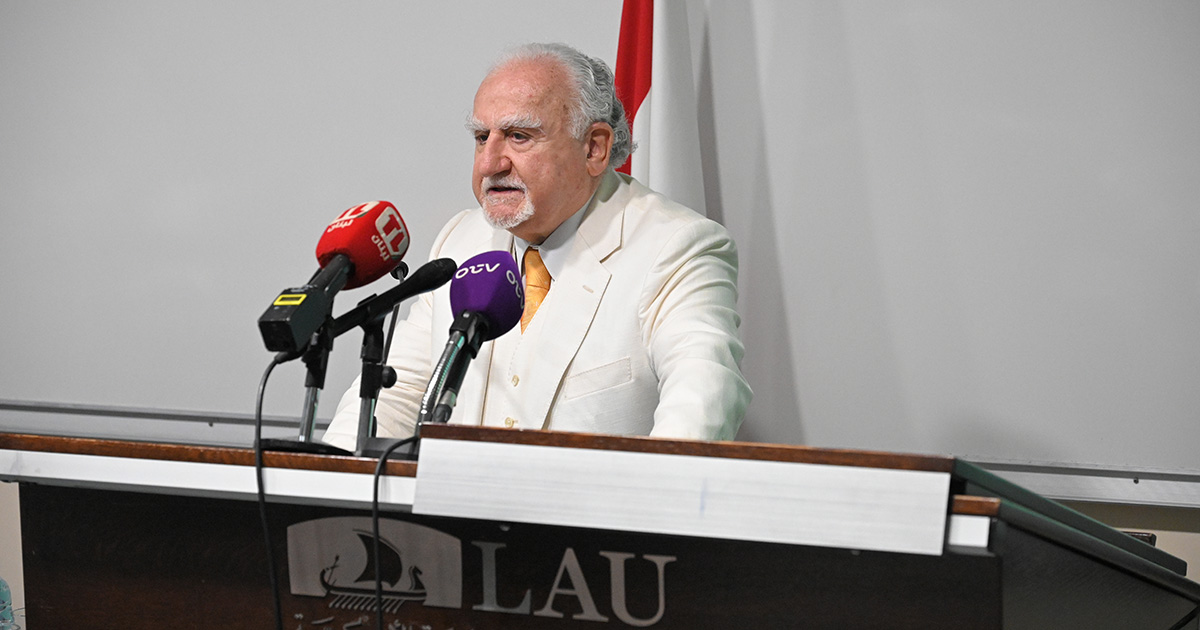
The center’s new designation as an “academy,” remarked Dr. Salem, fulfilled his wish to integrate it into the university’s academic program. He believed that the students’ initiation should begin at the academy, “because heritage determines identity and shapes who we are.”
The past and the future are inextricably linked; to envision the future, one must know one’s past, one’s identity, and roots, he said.
In a divided country, heritage becomes a unifying force, he added. Therefore, “we will use heritage and academia to build humanity in Lebanon, and to build Lebanon. For reviving heritage is reviving Lebanon.”
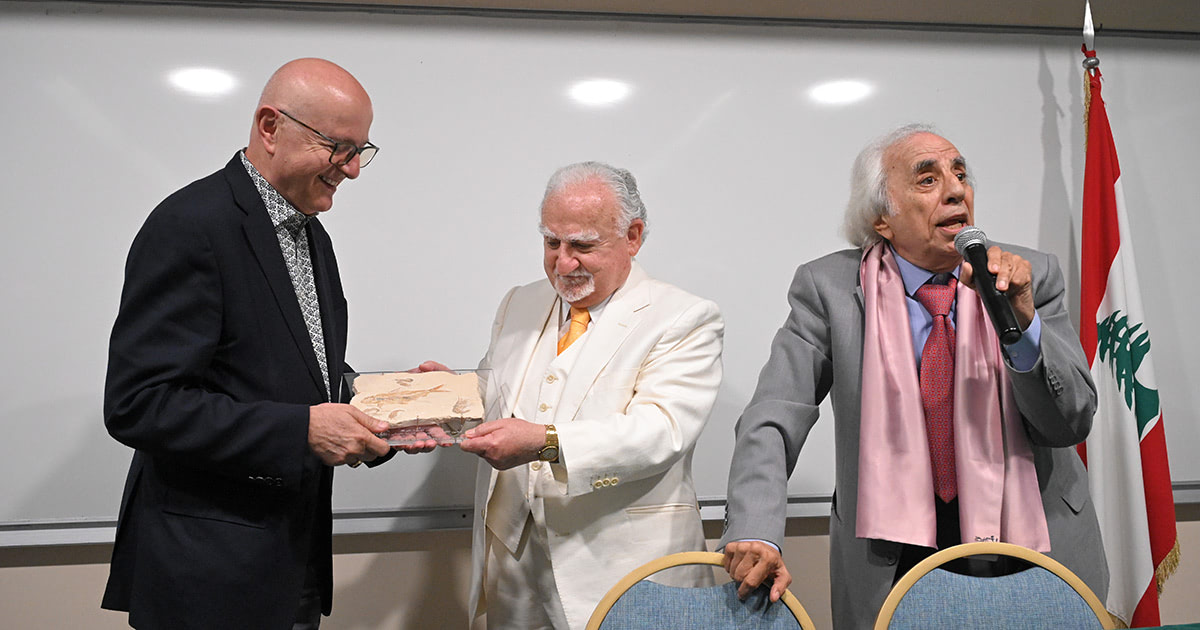
The event concluded with the presentation of the first Philip A. Salem Academy Award to entrepreneur and LAU trustee, Dr. Moise Khayrallah, who expressed his gratitude to Mr. Zoghaib and Dr. Salem, reaffirming his commitment to their joint efforts in elevating Lebanon locally and abroad.
“Heritage is one of the greatest gifts we can leave to future generations,” commented Vice President for Advancement Juhi Dagli. “Dr. Salem’s generosity ensures that Lebanon’s history, culture, and identity will not only be preserved, but continually explored, shared, and enriched through the work of this academy.”


