Empathy by Design
At Creative Dialogues Beirut, architects, dancers, artists, designers, and filmmakers explored how empathy, creative expression, and collective responsibility can make space for recovery.
For the second year running, the School of Architecture & Design at LAU hosted the opening day of Creative Dialogues Beirut 2026, a three-day program organized by YVT Consultancy under the direction of Yasmine Vanda Trofast. This event was set up to offer emerging creatives a space for dialogue, experimentation, and social interaction.
The program brought together creatives from architecture, dance, filmmaking, design, and other fields to explore how their work responds to human emotions, experiences, and needs.
Under the theme “Empathy by Design: Rethinking Innovation through Human Experience”, the sessions on the first day at LAU explored how human emotions, diverse experiences, and inclusive thinking drive more meaningful, innovative, and impactful design.
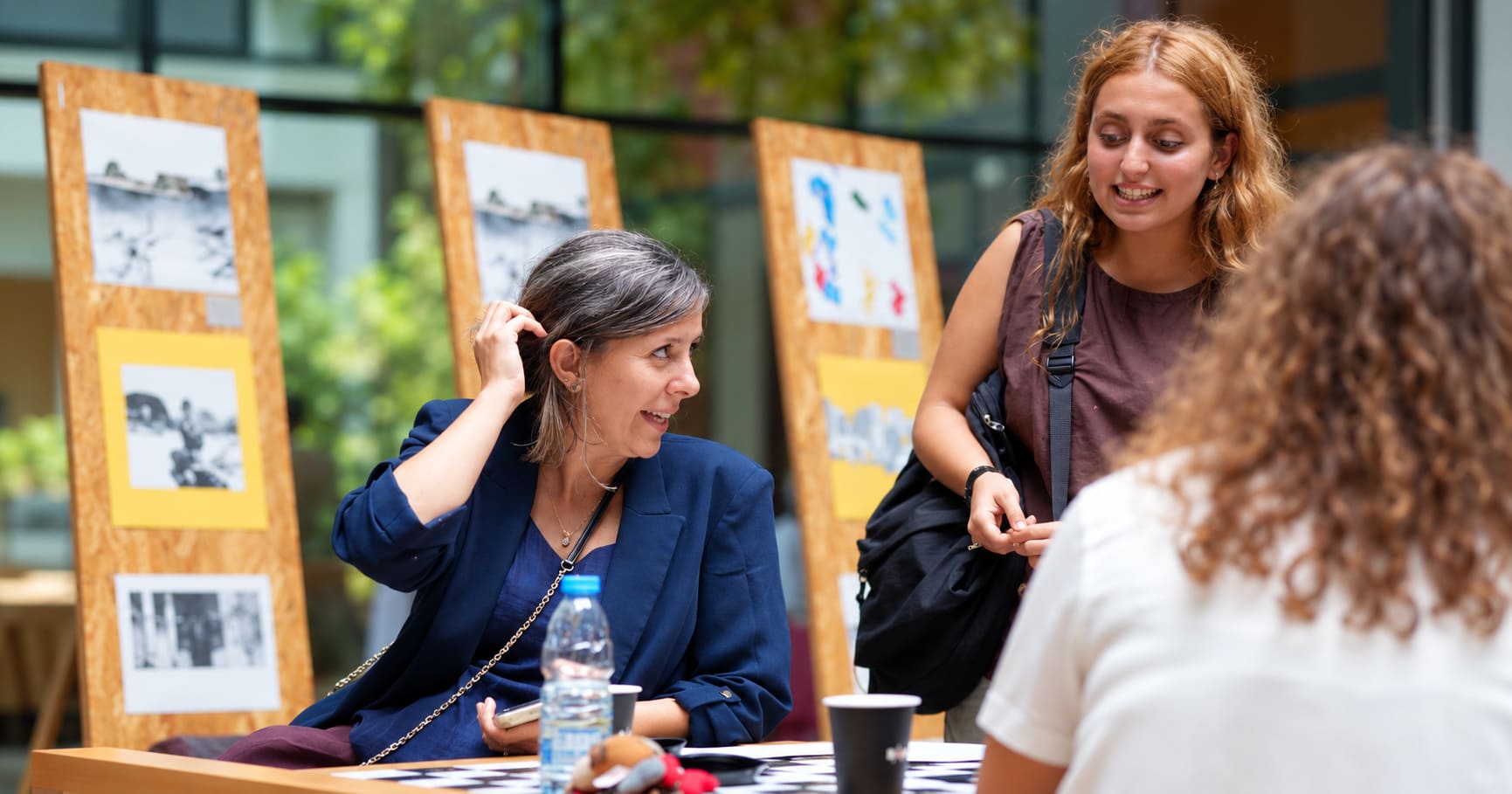
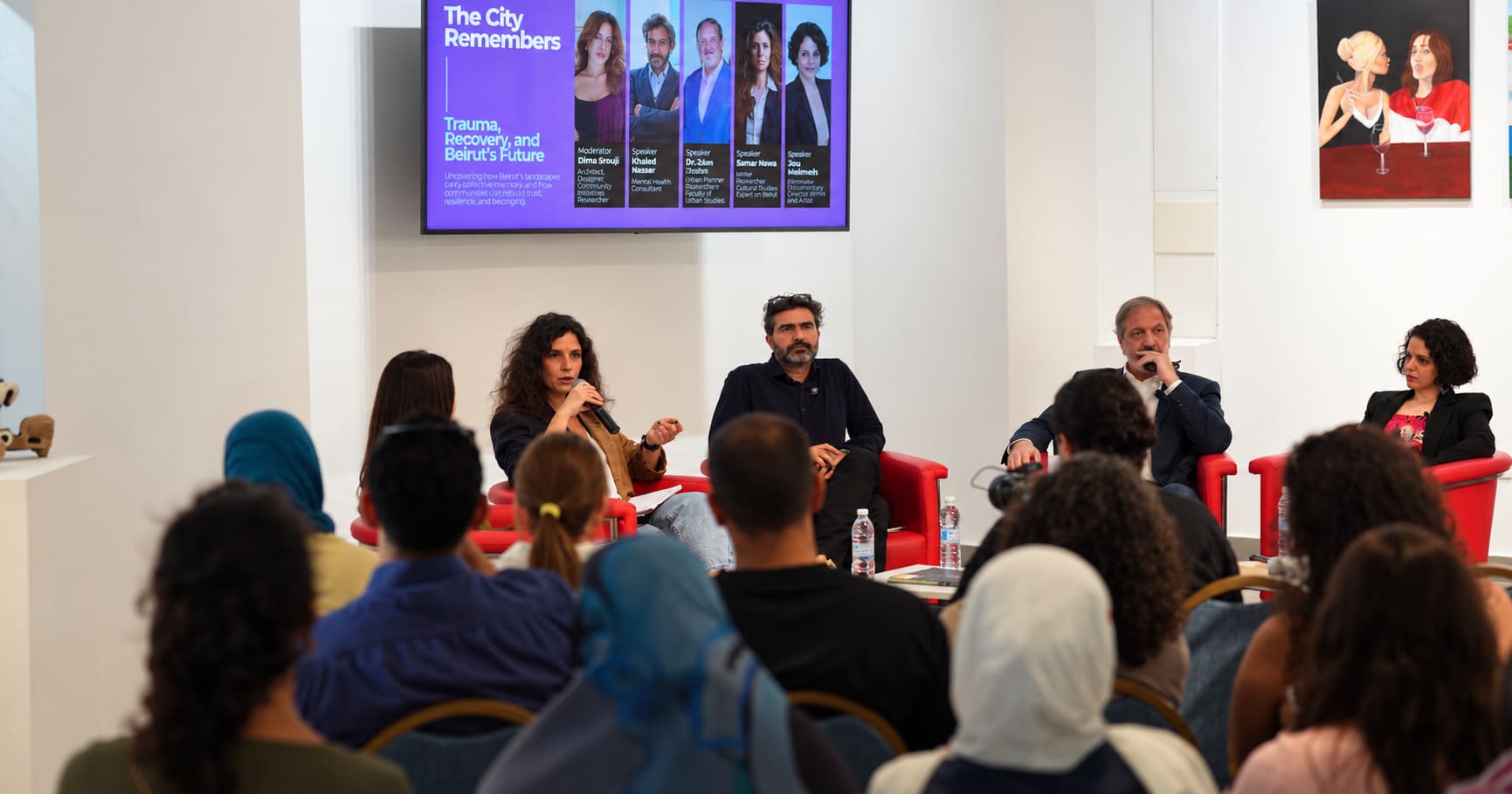
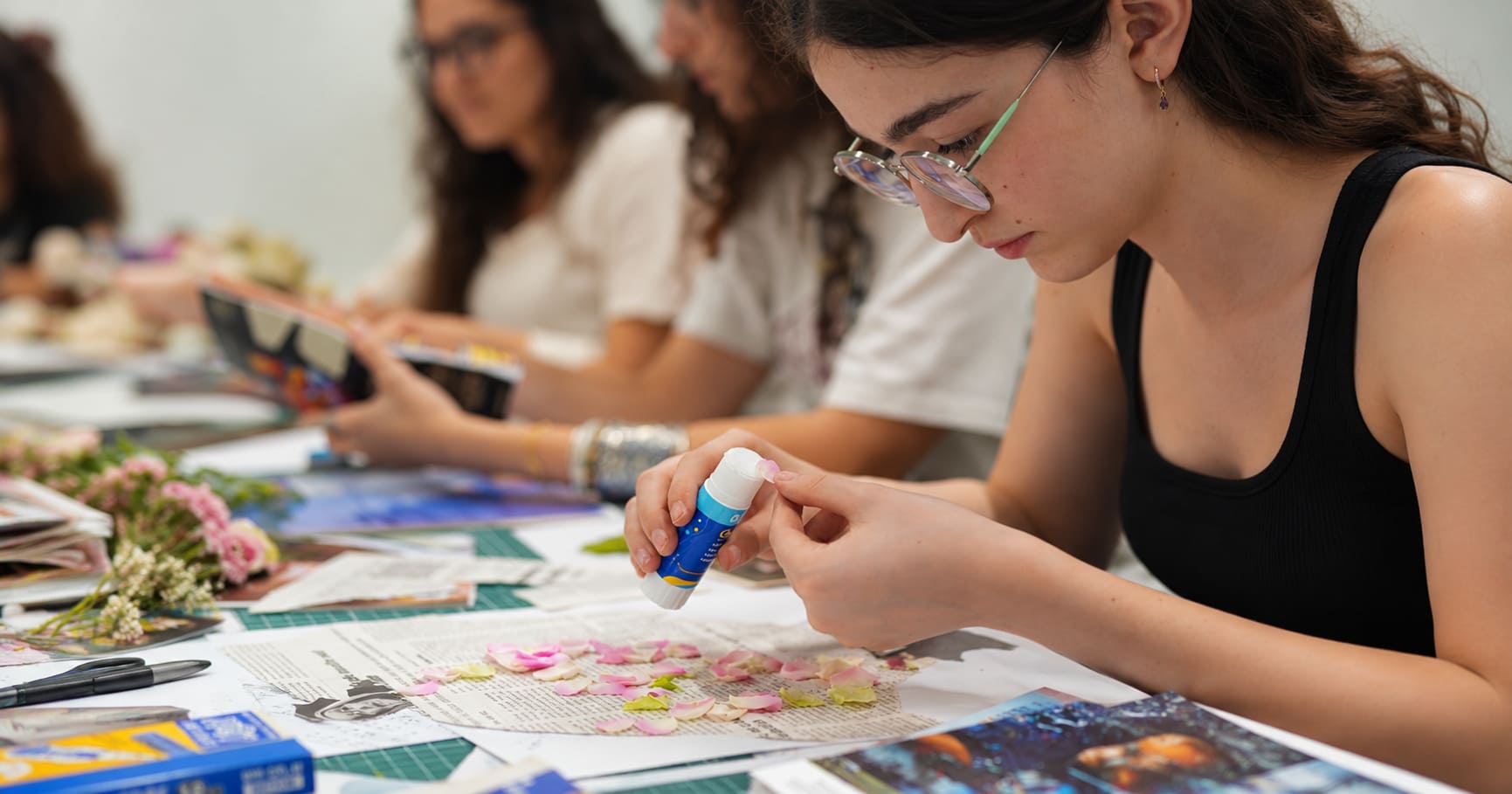
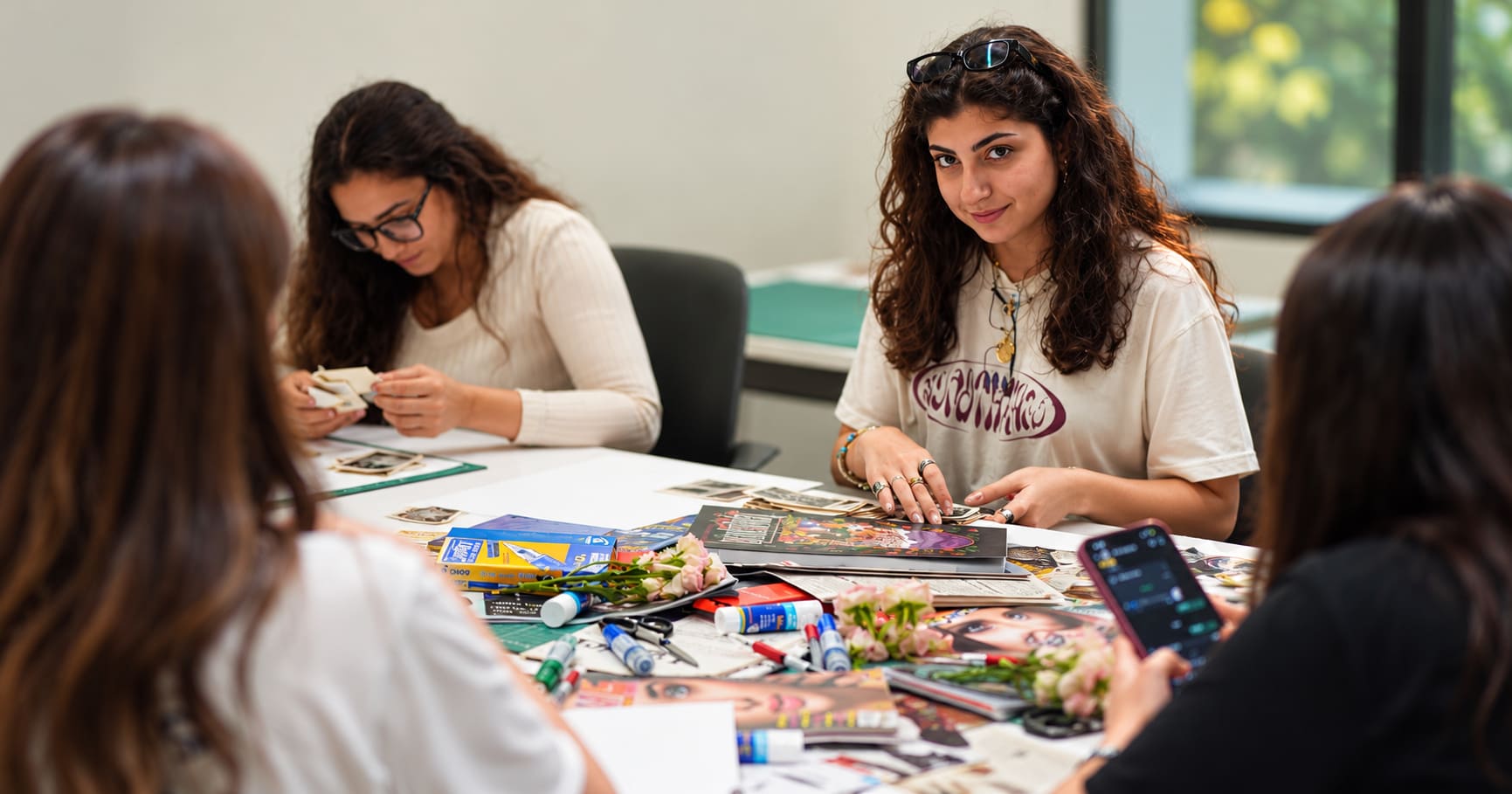
These conversations came to life through four roundtable discussions, a student debate, workshops, and a student showcase, where participants considered how those concerns shape artistic practice and the spaces people inhabit.
For Architect and Adjunct Faculty Vanessa Dammous, empathy begins with an exchange between creatives. “You need to be open to understanding other fields and see how you can take your own thinking in different ways,” she said. “We need each other. We need to accept that we do not think alike.”
Architect and Adjunct Faculty Jemma Chidiac illustrated how dance and architecture can relate to one another. A choreographer reads the room and responds to its surroundings, while movement changes how spectators experience that setting. Across disciplines, Chidiac explained, attention to space, culture and the people present can shape the feelings a work evokes.
The relationship between physical spaces and emotions was the focus of a panel discussion on Beirut’s recovery. Architect Dima Stouhi (BArch ’16) reflected on the difficulty some residents experienced when returning to spaces damaged by the port explosion.
“You can fix the windows, you can fix the glass,” she said, “ but people still could not sit inside the space because there were those small triggers that reminded them that it is not safe for them to sit there.”
Stouhi’s observations raised a question extending beyond physical reconstruction: how should people feel when they return to a place where they experienced danger? Restoring a building requires attention to those experiences alongside its materials and structure.
For President of the Beirut Municipal Council Ibrahim Zeidan, understanding a neighborhood also means listening to the people whose memories give it meaning. Community consultation, he explained, helps bring those attachments into decisions about redevelopment.
The discussion also addressed the conditions that allow people to remain in their communities. Lecturer and researcher in urban planning and policy Soha Mneimneh connected housing hardship to structural problems, arguing that emergency assistance often addresses visible symptoms without resolving their underlying causes.
Her intervention brought policy into the conversation about empathy. A thoughtfully designed space offers limited security if the people who need it cannot afford to live there. Recovery therefore involves decisions about access and housing alongside the reconstruction of buildings, according to Meneimneh.
Chair of Architecture and Interior Design at LAU Miquel Lacasta extended that responsibility to the ecosystems within which cities grow. Buildings must account for the trees, bees, and other life around them, he argued, recognizing that architecture operates within nature. Bringing nature back into urban spaces is part of caring for the people who inhabit them.
“We have to renaturalize our cities,” Lacasta affirmed.
From the room to the neighborhood and the city beyond, the conversations revolved around the importance of attending to those experiences. By bringing different practices into dialogue, Creative Dialogues provided a platform for participants to consider what empathy requires—and how their work might make more room for it.


