Bridging Policy, Science and Society to Tackle Lebanon’s Environmental Challenges
Minister Tamara El Zein joins academics, industry leaders, and students at LAU for a forward-looking dialogue on eco-citizenship and public health, aimed at turning evidence into action.
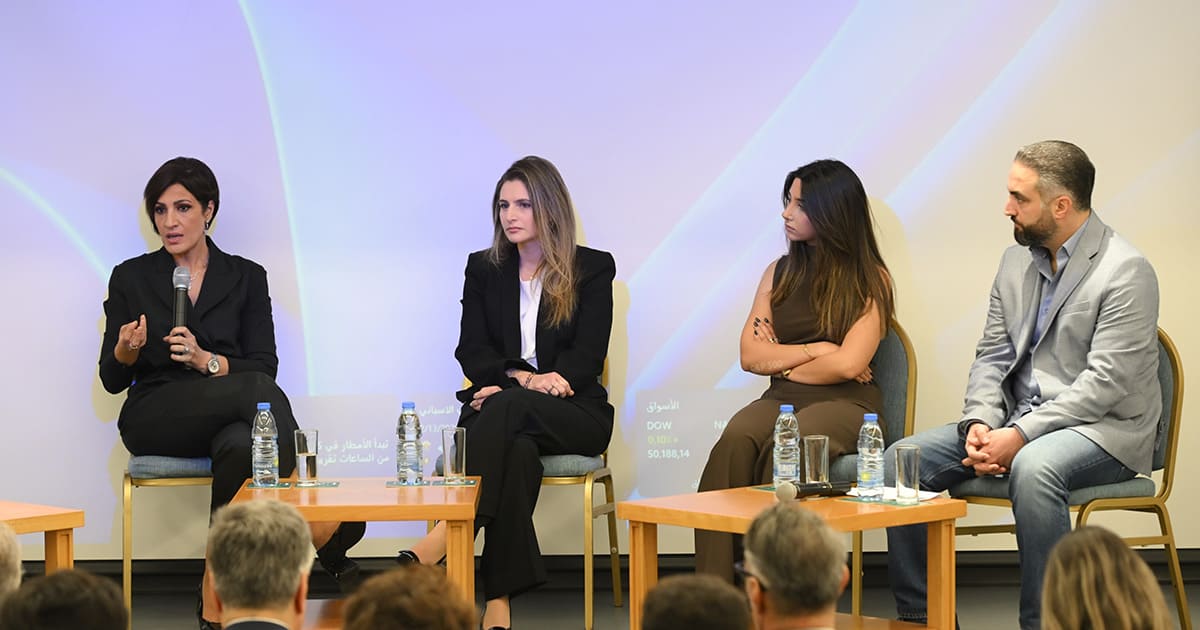
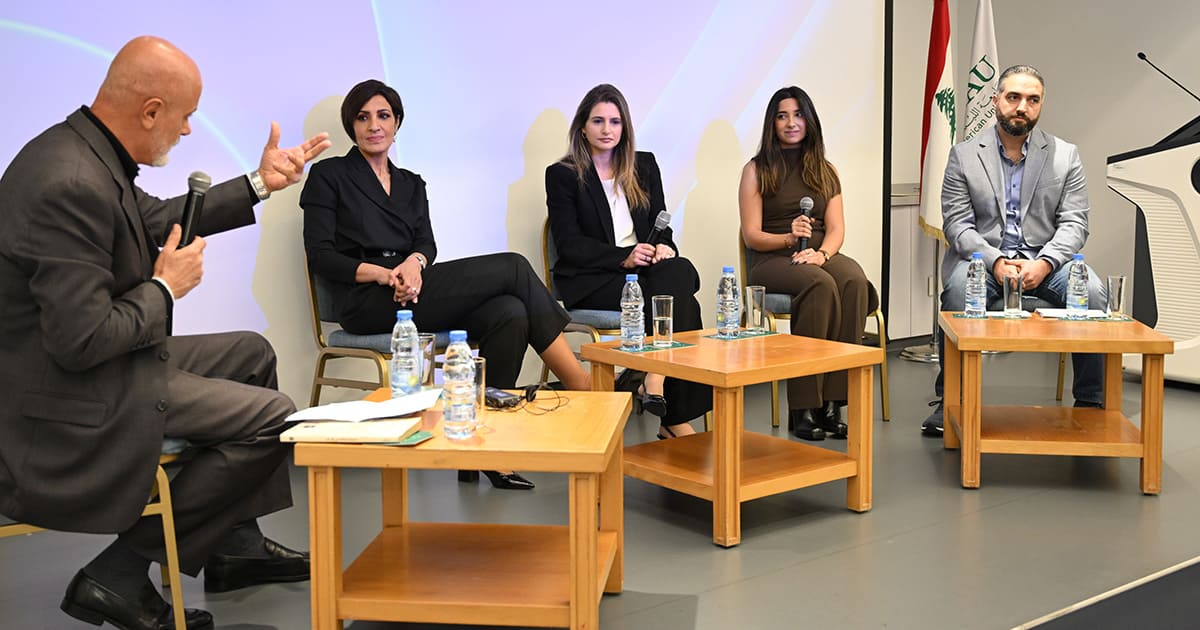
Organized by the LAU School of Engineering (SOE) on February 11, 2026, a panel discussion titled Bridging Policy, Science and Society for the Environment brought together the Minister of Environment Tamara El Zein, Associate Professor of Epidemiology and Population Health at the LAU Gilbert and Rose-Marie Chagoury School of Medicine Michele Cherfane, Facilities Manager at Gemayel Frères Benoit Yammine and Petroleum Engineering student Farah Andari. The panelists discussed the multifaceted challenges in Lebanon and the nuances that complicate addressing them.
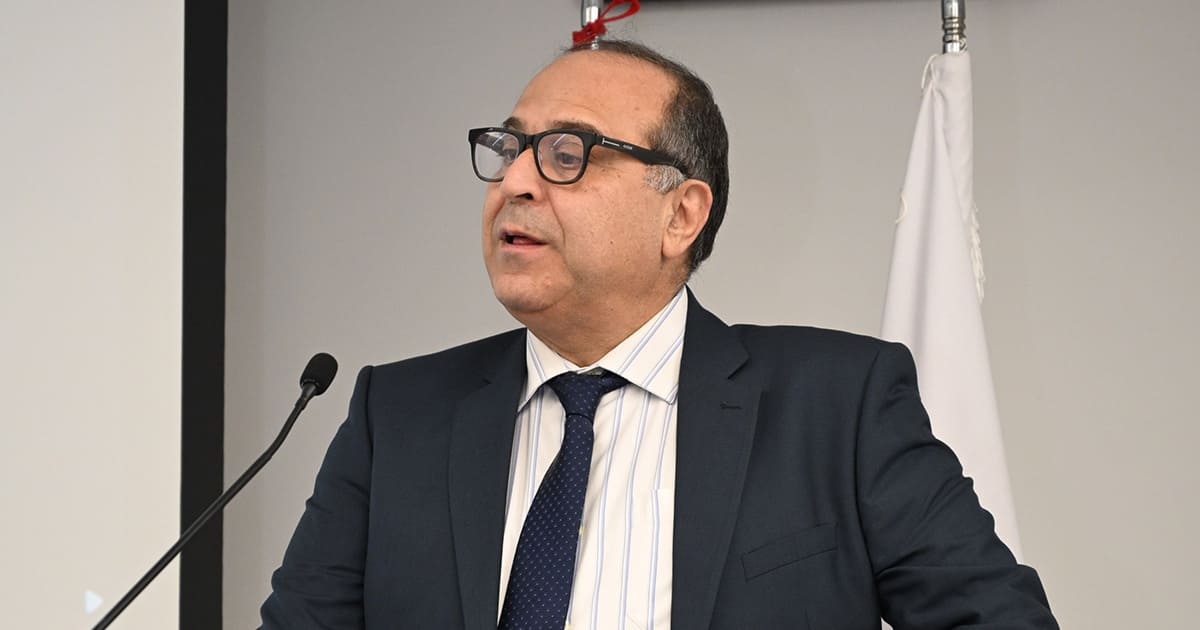
In his opening remarks, SOE Dean Michel Khoury invited students to benefit from learning about the strategies, policies and frameworks set by the Ministry of the Environment, and to “learn beyond the technical knowledge that you are usually exposed to in your classrooms.”
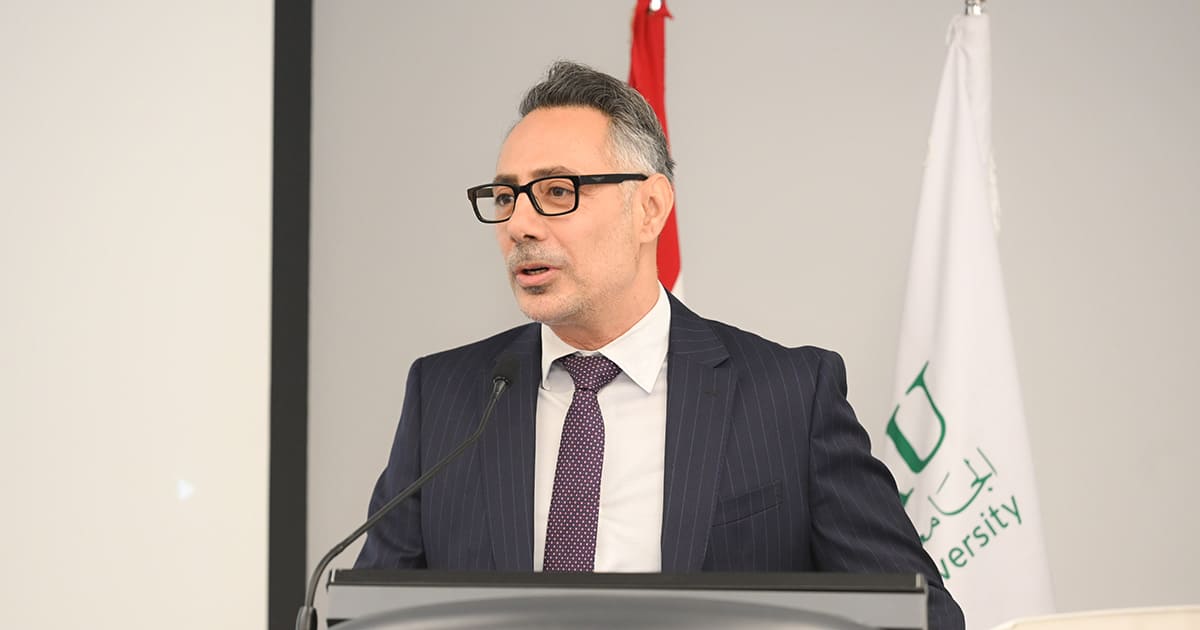
Highlighting the importance of this discussion, Dr. Khoury noted that these decisions shape everything that follows, including the technical work engineers undertake.
LAU President Chaouki T. Abdallah pointed out that environmental problems in Lebanon, and around the world, cut across multiple industries and stakeholders.
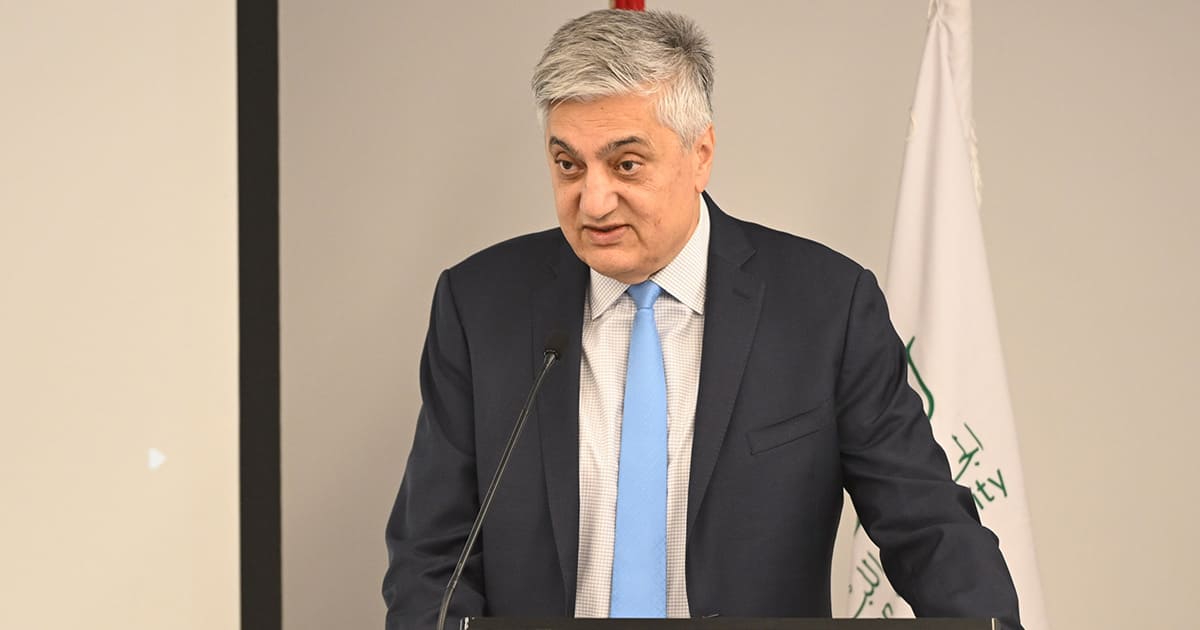
“The government, private sectors, universities and civil society need to be engaged in solving these problems,” he said, defining LAU academicians’ role “not simply as producers of knowledge but also as translators of evidence into action and as convenors who bring together all these sectors, so that environmental leadership is evidence-based, inclusive, pragmatic and forward-looking.”
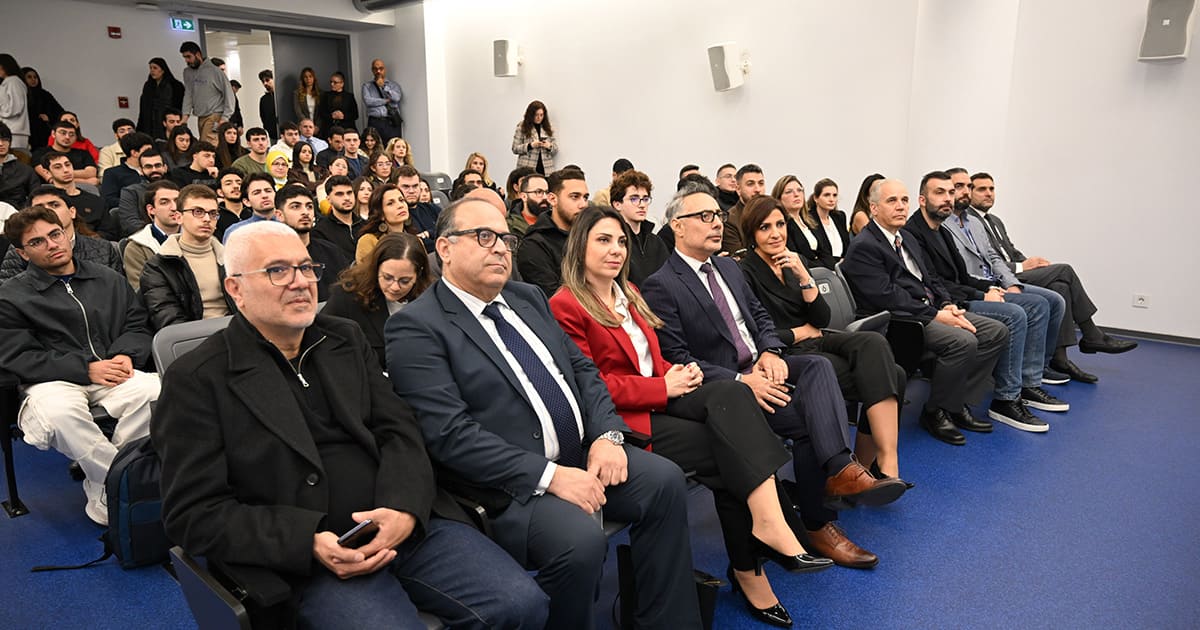
The president exhorted attendees, particularly the full house of students, to have a sustained dialogue and follow it up with action: “Think big, start small and move fast.”
The minister presented a well-rounded picture of the ministry’s work, including its scope and limitations and how it is being reformed to center its efforts around functionality and effectiveness.
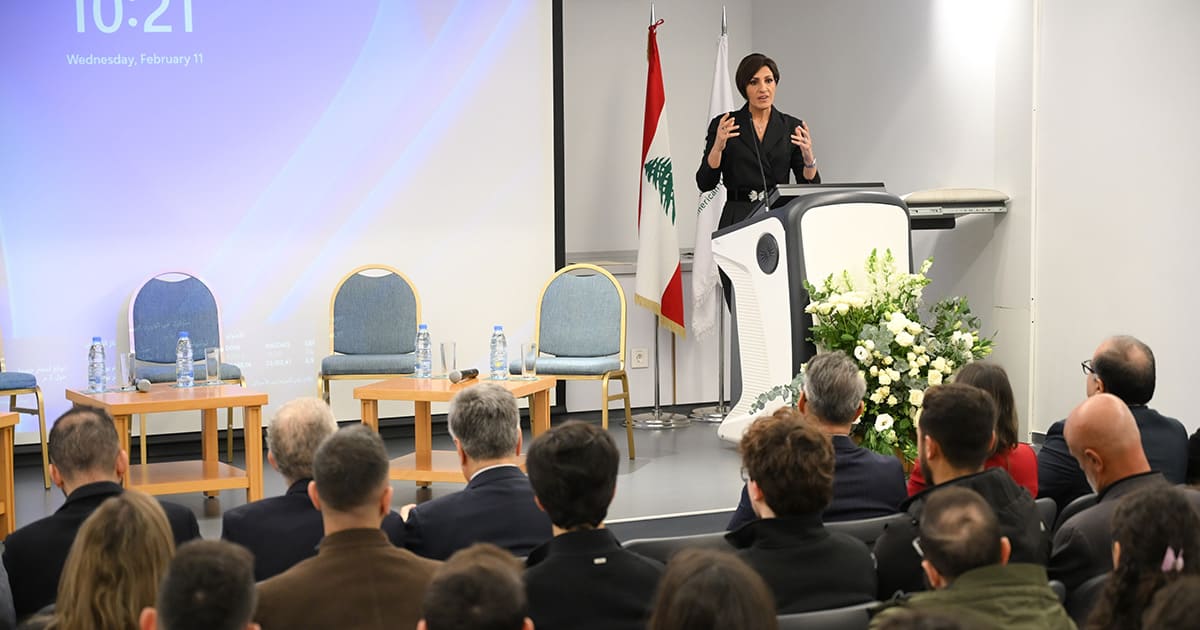
“Eco-citizenship is a new, foundational feature of the ministry’s administrative reform efforts, whereby this section will espouse academics, civil society and policymakers to leverage research and science in producing tools and procedures,” she explained.
Giving the example of generators that make up for the absence of a 24/7 public power grid in Lebanon, Dr. El Zein said that their operation is governed jointly by the Ministry of Water and Energy, the Ministry of Economy and the local municipalities. The influence of the Ministry of Environment, in this context, is limited to recommending a ceiling for the generators’ emissions.
From a population health perspective, Dr. Cherfane revealed that 85 to 90 percent of all deaths in Lebanon are attributed to non-communicable diseases, such as cardiovascular disease and cancer. “Only a few risk factors are responsible for all of these diseases,” she added, “and these include smoking, unhealthy diet, physical inactivity and environmental exposure, including air pollution.”
To that end, Dr. El Zein announced that the ministry will be launching a new initiative, in partnership with universities including LAU, to monitor air quality in Beirut and provide a daily index to guide and inform sensitive groups of the population.
Yammine raised the issue of the limited eco-friendly solutions, tools and resources available to local producers and industrialists, which effectively discourage the private sector from adopting green alternatives. “The lack of the power grid infrastructure in the country directly affects our ability to operate with lower emissions, but we hope to be able to invest in better solutions moving forward,” he said.
“Lebanon’s environmental challenges may not have been my generation’s own making, but we have inherited them and they will certainly affect our future,” noted Andari, highlighting the gap between environmental policies and their implementation.
In response to Andari, and in the dynamic Q&A that followed, the minister urged the students to pursue and grow their “cultural capital—to think critically and make scientifically informed decisions that can be truly sustainable.” To illustrate, Dr. El Zein spoke about how consumerism encourages repeated purchases of items often advertised as eco-friendly, when their sheer volume and short lifespan pose a much greater threat to the environment than longer-lasting products.
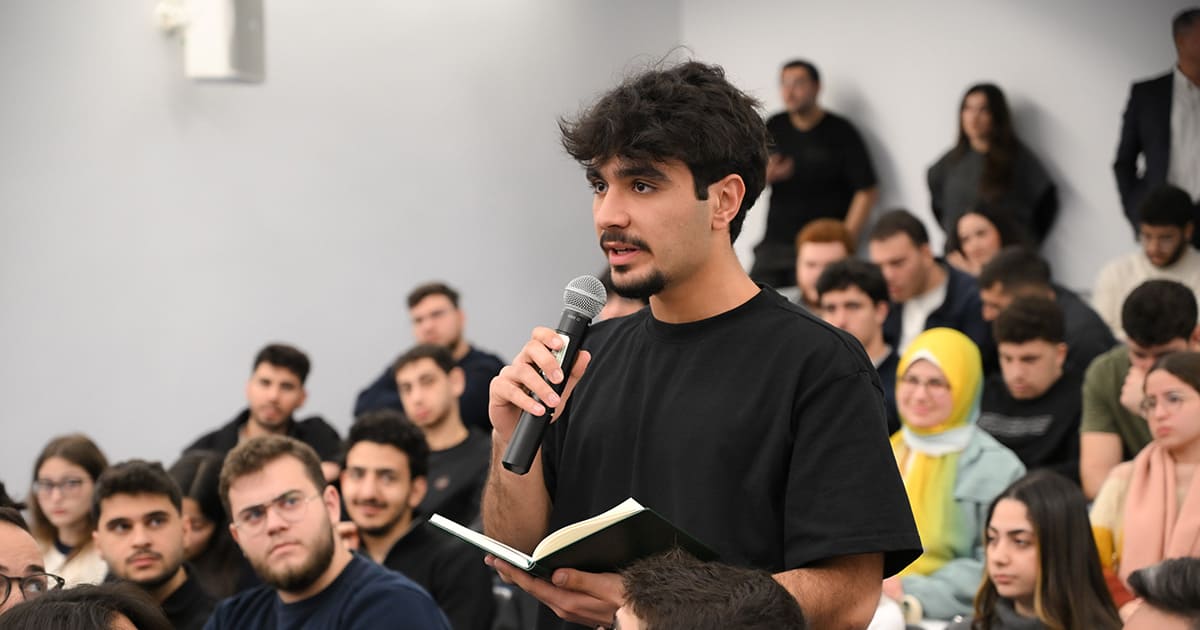
The conversation continued well past the time set for the panel discussion, as students debated and exchanged ideas with the minister and panelists.


