LAU Ranks 3rd Globally for UN Sustainable Development Goal 1
The university lands the 55th overall position in the Times Higher Education Impact Rankings, earning third place globally for its contributions to poverty reduction and excelling in employability and partnership indicators.
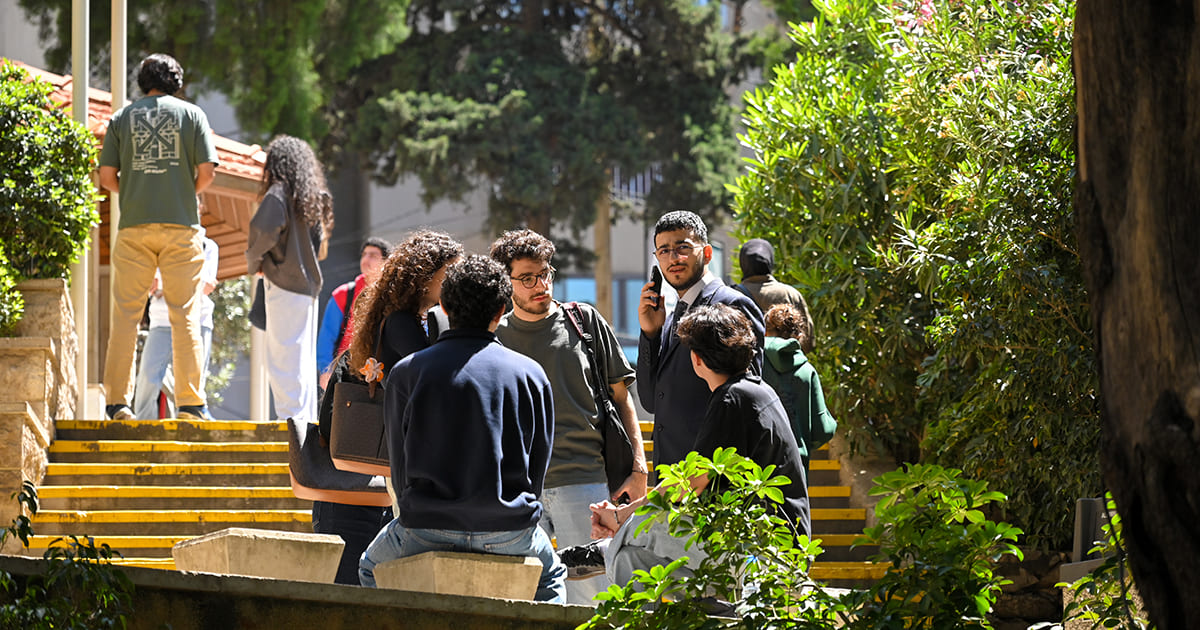
The 2026 Times Higher Education (THE) Impact Rankings have cemented LAU’s strong performance across several UN Sustainable Development Goals (SDGs) and its upward trajectory for the past four years as a leading global university in social responsibility.
LAU ranked third globally in SDG 1: No Poverty—up from the fifth position last year—thanks to its extensive scholarship and financial aid offering.
In SDG 8: Decent Work and Economic Growth, it placed 19th—a testament to the many initiatives, programs, and curricula that significantly enhance graduates’ employability and access to economic opportunity.
Another significant feat is its 24th placement in SDG 17: Partnership for the Goals, which illustrates the university’s reach through its broad network of local, national, and international collaborations.
Overall, the institution secured the 55th position globally and the first rank nationally, demonstrating a steady rise since 2023, when it was placed in the 601-800 bracket, then in the 401-600 range in 2024, followed by a position in the 101-200 range last year.
Unlike traditional rankings that focus on academic and research indicators, the THE Impact Rankings represent a global assessment of universities based on their contributions to the SDGs, reflecting their broader impact on society through their commitment to sustainable practices, social responsibility, and community integration.
For President Chaouki T. Abdallah, LAU’s strong performance, particularly in areas related to poverty reduction, employment, health, education, equality, and partnerships, attests to its critical role beyond being an academic institution of higher learning.
“It demonstrates that LAU is an engaged member of the community and the region in which it operates, and, looking to the future, we will need to consolidate and build on these strengths to best represent the breadth of its contributions,” said Dr. Abdallah.
These SDGs collectively capture some of LAU’s most significant contributions to sustainable development, explained LAU Chief Sustainability Officer Nadim Farajalla. “They represent areas where LAU has demonstrated impressive institutional strengths, established programs and policies, delivered measurable impact, and, importantly, provided clear evidence to the public that supports a competitive submission,” he added.
LAU Provost George E. Nasr said the achievement confirms that sustainability is “increasingly embedded in the way LAU teaches, operates, and engages with its community. It also shows that LAU is being recognized internationally for work that has real impact beyond the classroom.”


