LAU Symposium Launches the Liver Health Movement
Physicians from across specialties at the LAU Gilbert and Rose-Marie Chagoury School of Medicine called for earlier screening and whole-body care for a disease that affects more than a third of adults worldwide.
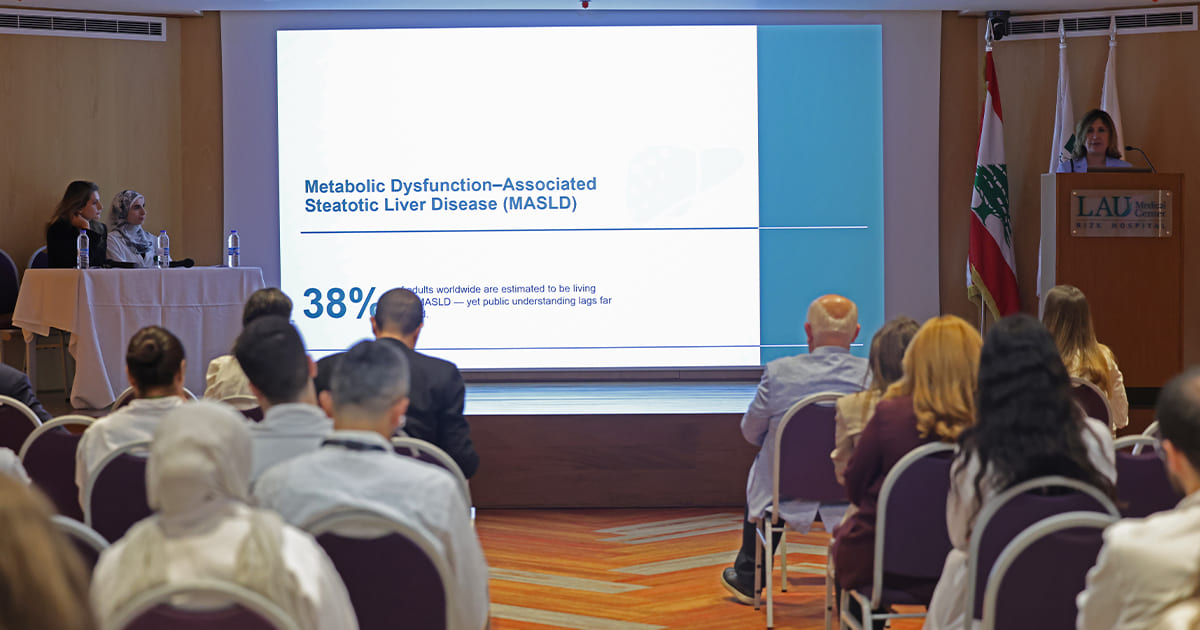
Metabolic dysfunction-associated steatotic liver disease (MASLD) begins with fat building up in the liver and can progress to scarring, cirrhosis, or liver cancer. It affects more than a third of adults worldwide and nearly four in 10 people in Lebanon, yet fewer than half have heard of it. Tied to obesity, diabetes, and heart and kidney disease, it is too complex for any single specialty to manage alone.
That reality shaped the Liver Health Symposium, organized by the LAU Gilbert and Rose-Marie Chagoury School of Medicine on September 24, 2026, at the LAU Medical Center–Rizk Hospital. Over four scientific sessions, gastroenterologists, cardiologists, nephrologists, endocrinologists, dietitians, and physical therapists shared the podium, moving from the disease’s new definition and screening strategies to its links with the heart and kidneys and the role of diet and exercise.
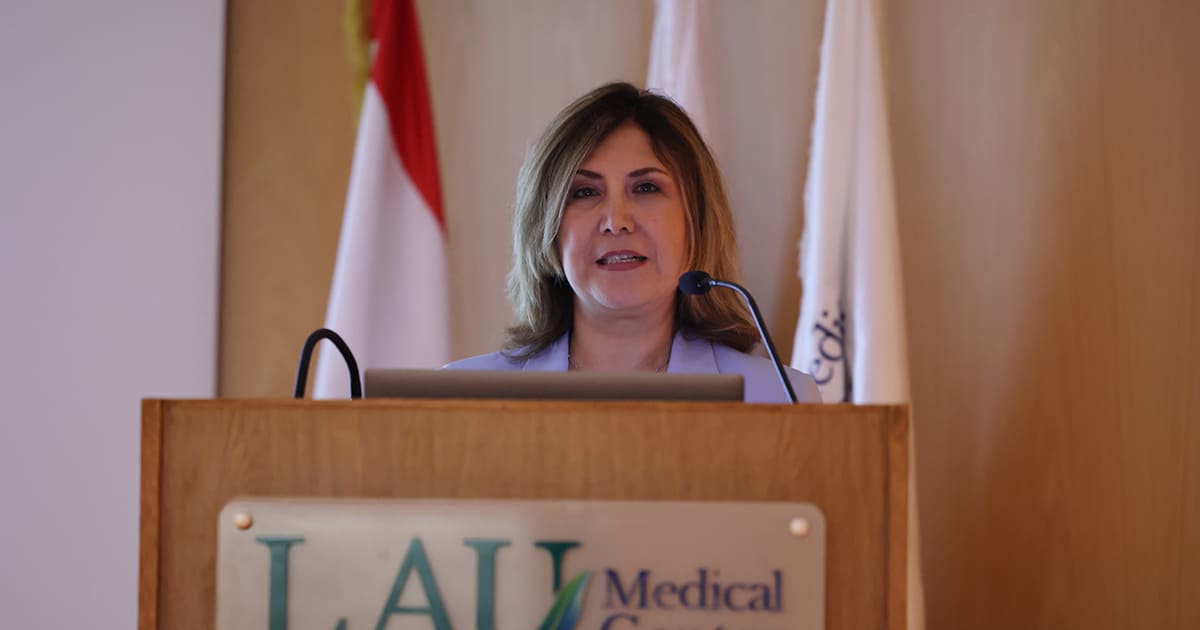
What worries physicians most is the silent nature of the disease as it advances to chronic, possibly irreversible stages. “The problem with this epidemic is it is silent. People do not feel pain. They’re carrying a disease unknowingly,” said Dr. Rajaa Chatila, LAU clinical professor in the Division of Gastroenterology and assistant dean for Graduate Medical Education. “We cannot wait and treat this crisis at the tertiary care level in hospitals.” She called on primary care physicians and allied health workers to lead early screening, adding, “We need to empower the public by providing them with the knowledge so that they can take action.”
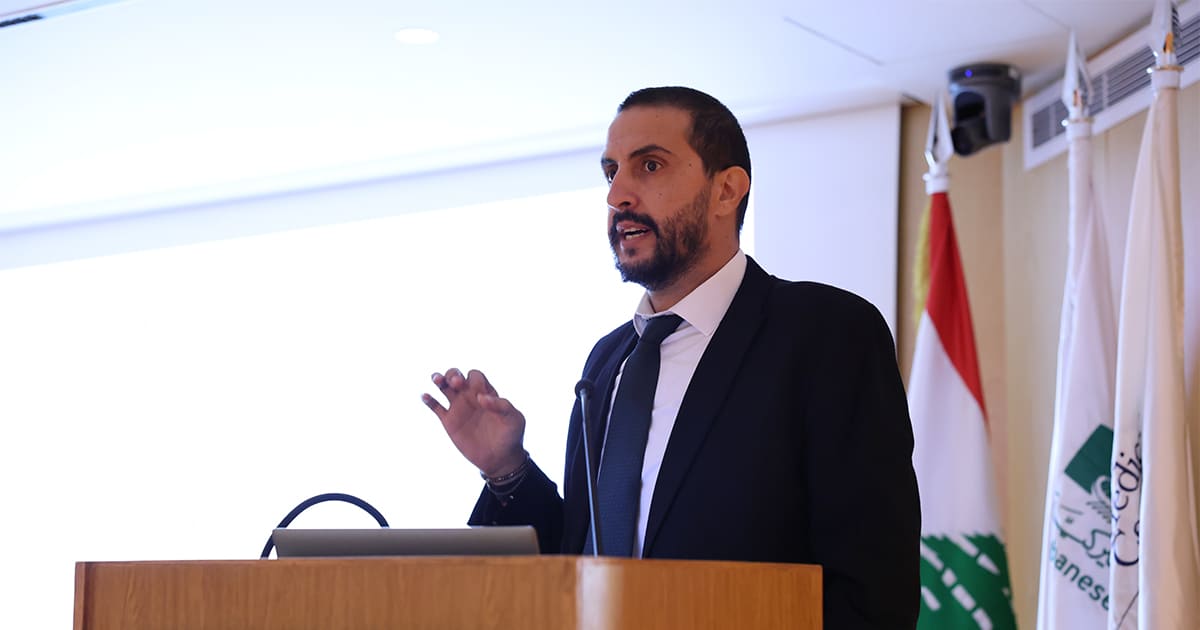
That silence breeds complacency among patients and physicians alike. Many people believe “they are fine, so there is no need to be tested,” said Dr. Majd El Rustom, LAU interim program director of the gastroenterology fellowship in the division of gastroenterology, while 78 percent of physicians do not routinely screen for the disease.
Diagnosing MASLD early starts with knowing where to look. Dr. El Rustom called for targeted screening of high-risk patients, such as those with type 2 diabetes, and stressed that normal liver enzymes do not rule out the disease.
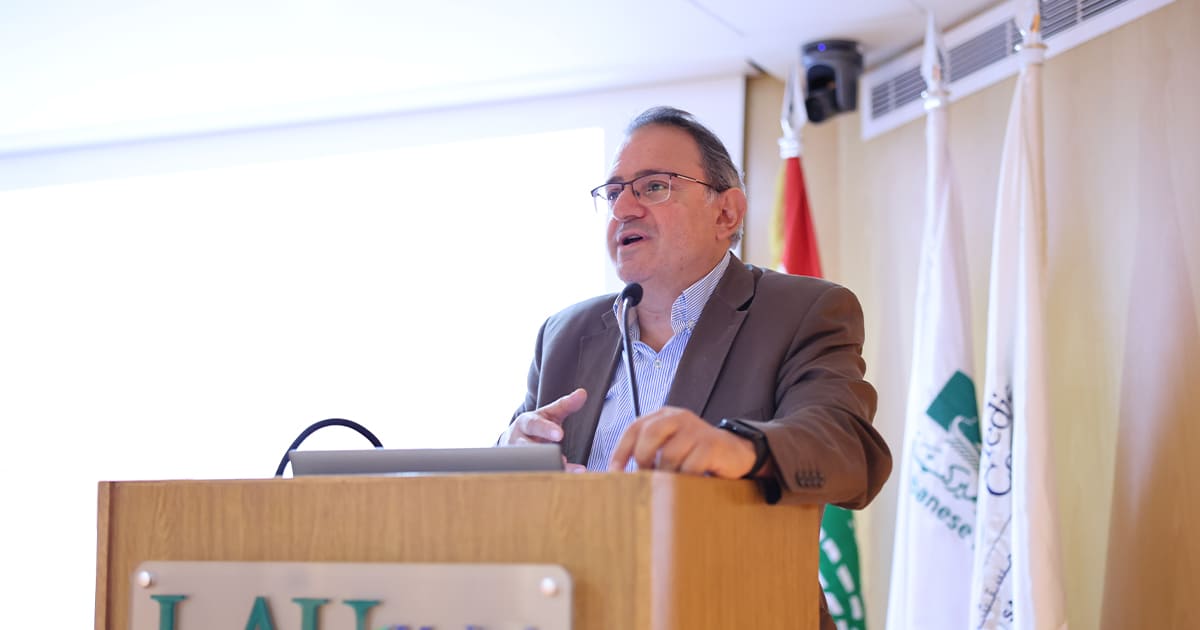
Dr. Daniel Mahfoud, LAU clinical assistant professor and acting chair of the Department of Medical Imaging, explained that ultrasound can measure liver fat and stiffness. “Our role in imaging is to detect early enough to induce changes, such as weight loss,” he said.
Even a healthy weight can hide the disease. “The Body Mass Index of an individual might be within the normal range, because you will find very slim arms, very slim legs, yet all the weight is in the abdomen,” pointed out Dr. Chatila, who set waist limits of 80 centimeters for women and 94 for men, hence the related medical campaign slogan, “slim your waist.”
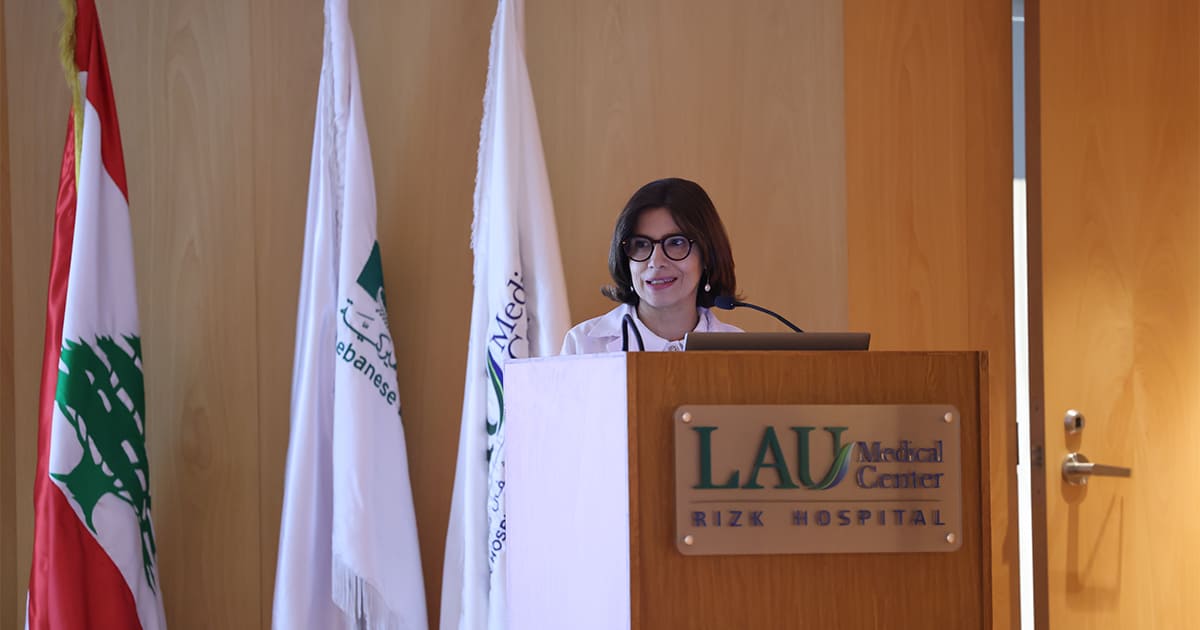
The disease’s new name reflects these metabolic roots. Its former name, Non-Alcoholic Fatty Liver Disease (NAFLD), defined the condition by what it was not, while the new one, according to Dr. Rita Nemr, LAU clinical professor and head of the division of endocrinology, “reframed steatotic liver disease around its metabolic drivers.” For Dr. El Rustom, MASLD reflects “our overall body metabolic state.”
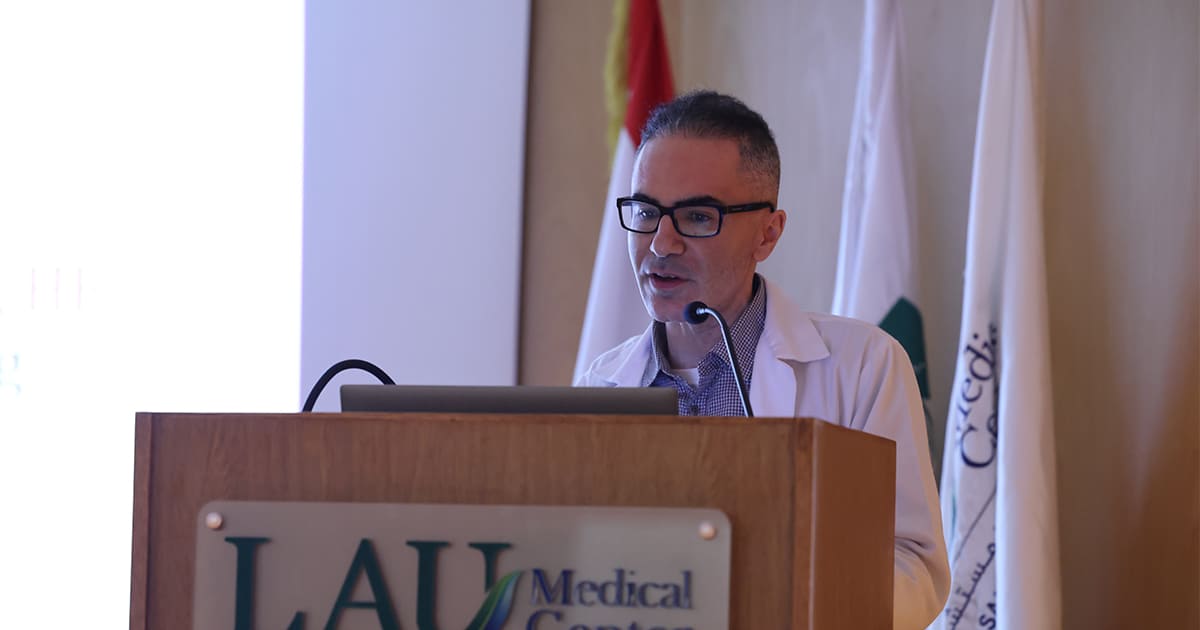
That whole-body view underpins the liver-cardiovascular-kidney-metabolic (LCKM) approach. Dr. Elias Hanna, LAU clinical professor in the Division of Cardiology, explained that heart disease, not liver disease, is the leading cause of death in early-stage MASLD.
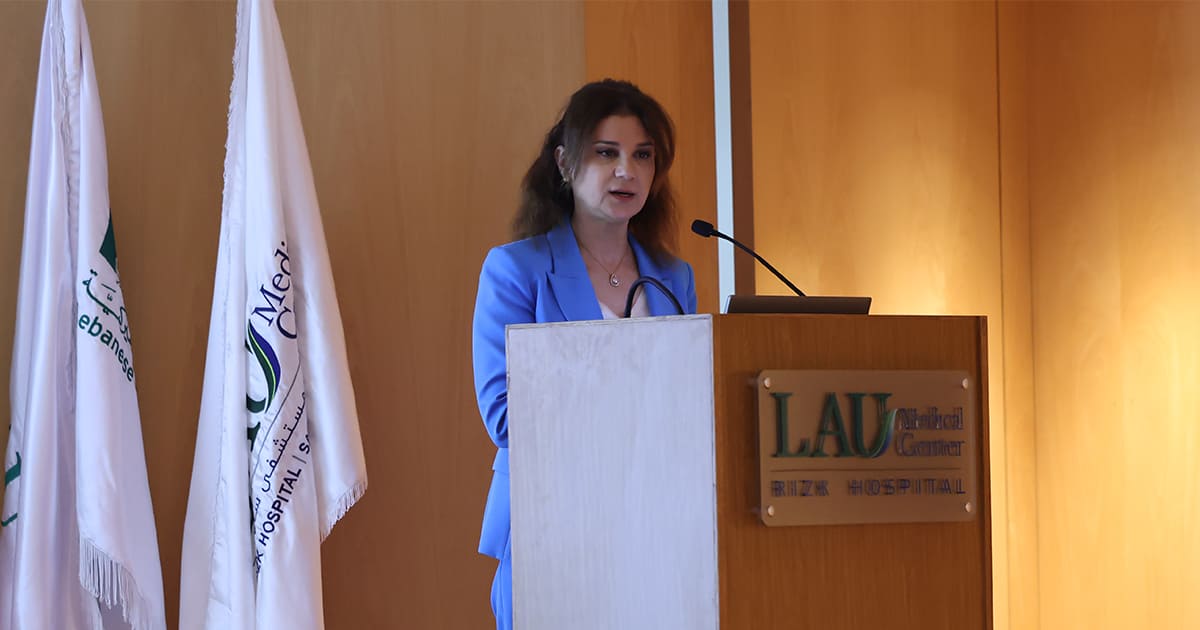
Dr. Sola Aoun Bahous, dean of the school and professor in the Division of Nephrology, noted that MASLD also raises the risk of chronic kidney disease (CKD), independently of shared risk factors, and urged attendees to take “the holistic view of this multi-organ connection.” Closer to home, she added, “We expect to see a lot of CKD among people with MASLD in our region, but we are still short of such data collection.”
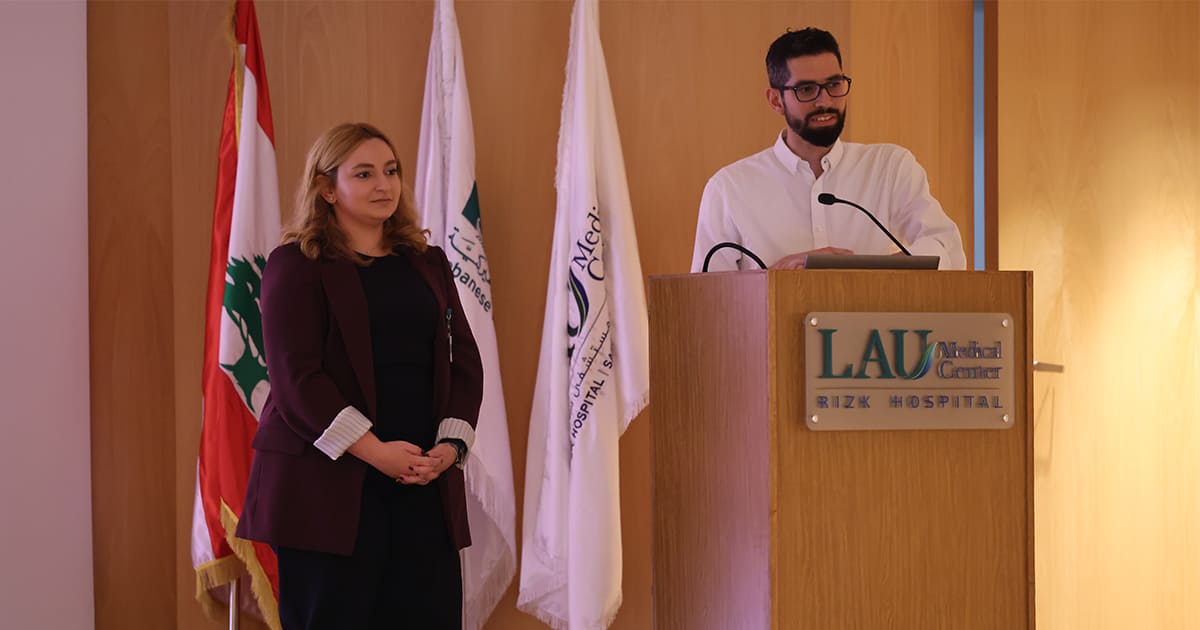
Much of the response starts at the table and in the gym. “Nutrition is not a handout,” said Mia Abou Diwan, senior clinical dietitian at LAU Medical Center–Rizk Hospital, who recommended the Mediterranean diet. “We need to go back to our roots and focus again on the Lebanese cuisine.” Because muscle loss and MASLD drive each other, she added, weight loss should be gradual and preserve muscle. Dr. Chatila went further, calling muscles “a parallel immune system.”
Ibrahim Elias, senior physical therapist at LAU Medical Center–Rizk Hospital, explained that “exercise more is not really a prescription” and that its benefits do not depend on major weight loss. “Exercise itself is a therapeutic intervention,” he said, before leading attendees for a fitness session.
By the end of the day, physicians compared screening and referral practices and discussed how to coordinate care on shared cases. The symposium closed with the launch of the Liver Health Movement, which will carry that collaboration beyond the hospital and raise awareness of MASLD prevention and management across Lebanon. Because the disease touches so many organs, speakers agreed, the response must come from many specialties working together, starting well before a patient reaches the hospital.


