Salwa Nassar’s Legacy Comes to Life in English
The Arab Institute for Women at LAU launches the English translation of pioneering nuclear physicist Salwa Nassar’s biography, contributing to the documentation of women’s achievements in history.
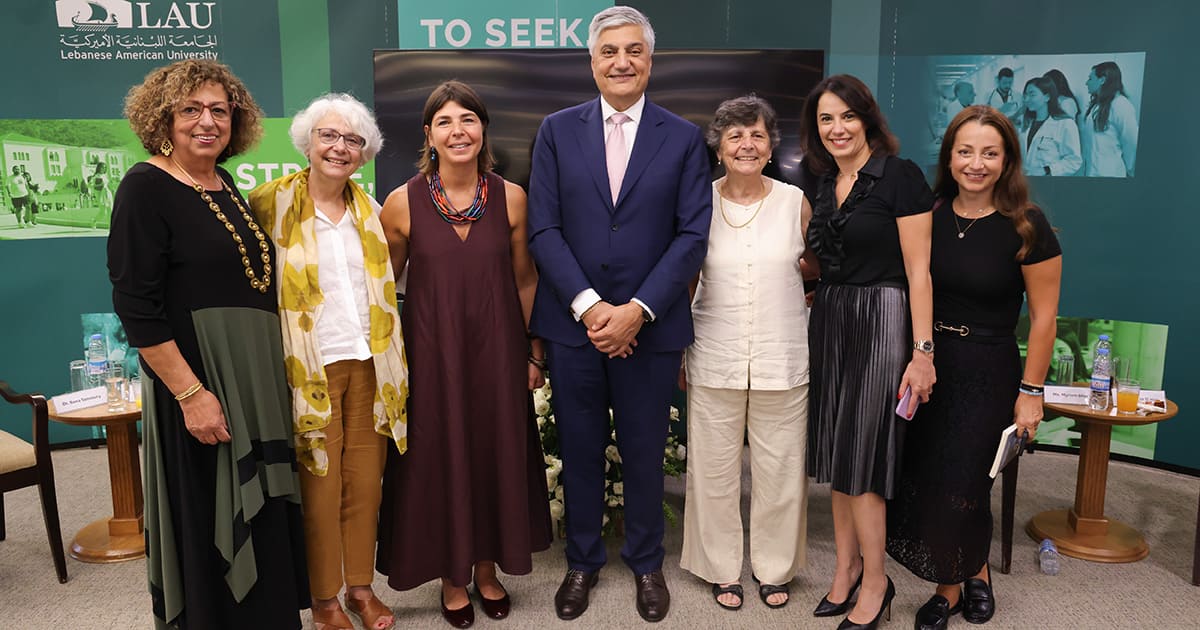
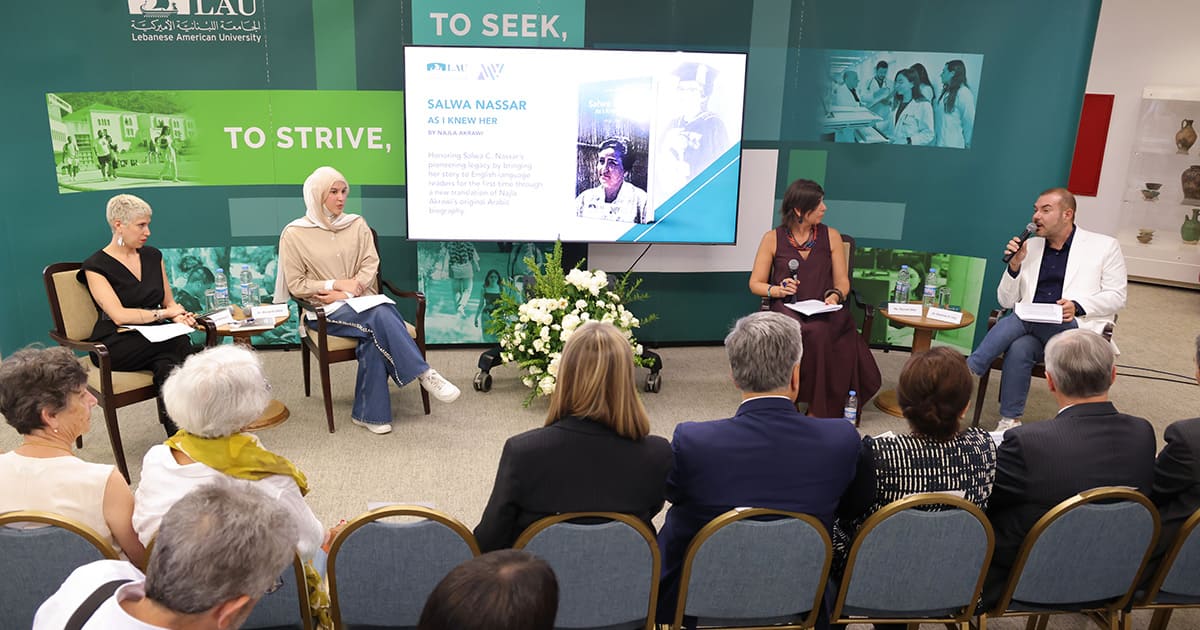
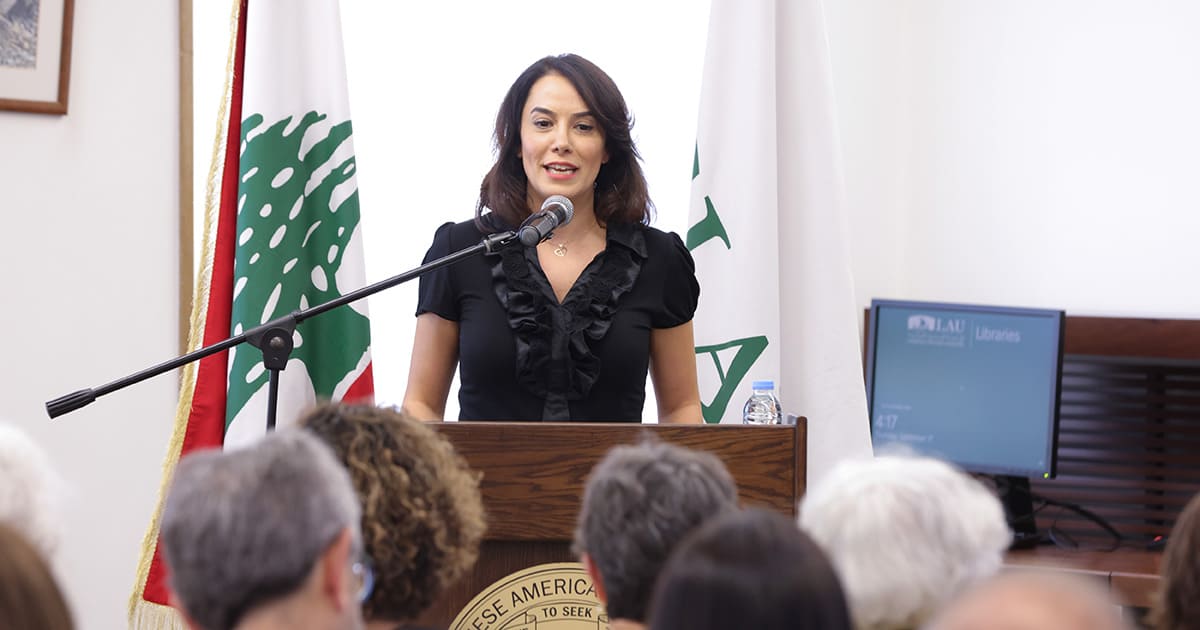
The Arab Institute for Women (AiW) at LAU celebrated the launch of the English translation of Salwa Nassar as I Knew Her at the Riyad Nassar Library on September 17, 2026, bringing the story of the former university leader and trailblazing nuclear physicist to a wider, international audience.
The occasion honored a life that reads like a string of firsts. Dr. Salwa Nassar was Lebanon’s first nuclear physicist and, in 1965, the first Lebanese woman to lead the Beirut College for Women (BCW), the institution that would become LAU. She earned a PhD in physics from the University of California, Berkeley in 1945, later became the first woman full professor and department chair at the American University of Beirut (AUB), and represented Lebanon at the United Nations’ Geneva conferences on the peaceful uses of atomic energy.
This is the legacy that LAU President Chaouki T. Abdallah invoked as he welcomed guests, describing this launch as one that speaks directly to the university’s identity, as he traced LAU’s founding as a college for women in 1924.
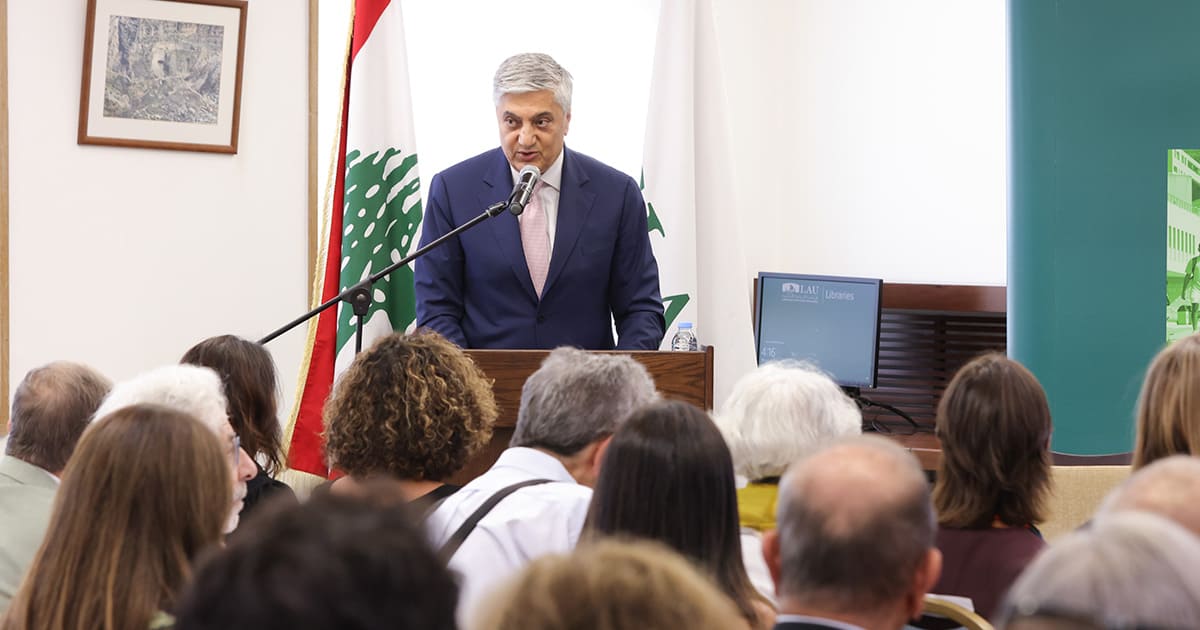
“When women’s stories are left undocumented, our understanding of history remains incomplete,” said Dr. Abdallah, adding that publishing Dr. Nassar’s story in English widens the circle of readers who can learn from her example.
That same commitment to preserving her story is what brought the book itself to life. Originally written in Arabic and published in 1997, it was authored by Najla Akrawi, Dr. Nassar’s close friend, at the initiative of AiW founder Julinda Abu Nasr.
Its translation into English, by Valerie Aoun, was a two-year undertaking led by AiW in close coordination with Dr. Nassar’s family, including her niece, Dr. Samar Faris-Mokaiesh, who spoke at the event, sharing personal reflections on her aunt’s modest beginnings and the values of honesty and critical thinking she instilled in her nieces.
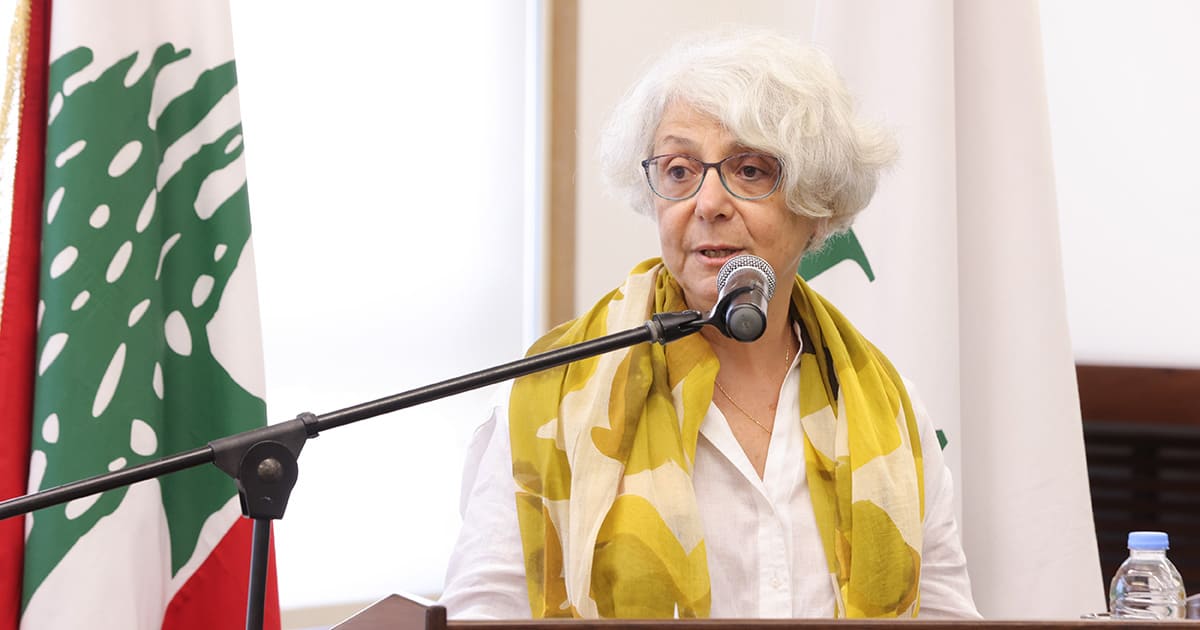
Her remarks closed with a call to action: Dr. Faris-Mokaiesh urged attendees to read and share the book, and to support the LAU Salwa Nassar Scholarship. Established fifty years ago by Dr. Nassar’s friends and colleagues, the scholarship continues to support the education of two outstanding LAU students each year, one in education and another in science.
Reflecting on what the translated edition of the book means for the university, former Dean of the LAU School of Arts and Sciences and former AiW Director Samira Aghacy called the book a record of “the power of friendship, education, hard work, and vision,” noting that publishing it in English ensures Dr. Nassar’s example reaches communities beyond those who already know her.
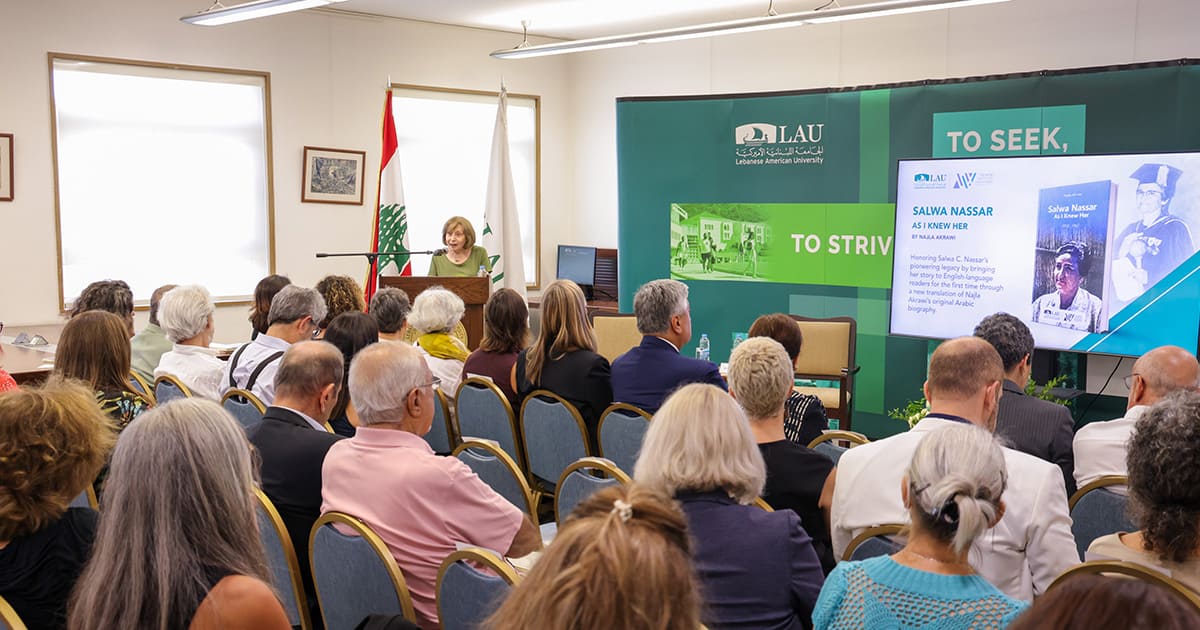
For AiW Executive Director Myriam Sfeir, “Honoring Our Own is not simply a project; it is part of a lifelong mission that LAU has embraced for decades: recognizing, documenting, and celebrating the contributions of those who have shaped our institution and our society.”
Indeed, Dr. Nassar’s legacy has touched countless students. Through a message shared with the institute, AUB Professor Fawwaz Ulaby expressed his admiration for his former professor. “I was awed by the fact that [Dr. Nassar] was a woman, a Lebanese woman, and the holder of a PhD degree in physics from one of the top universities in the United States,” he wrote.
“Even more impressive was her ability to explain a very complicated topic to a group of 19-year-olds. The quantum mechanics course opened my eyes to a new way of relating everything around us from the atomic level to the level we see with our eyes,” added Dr. Ulaby.
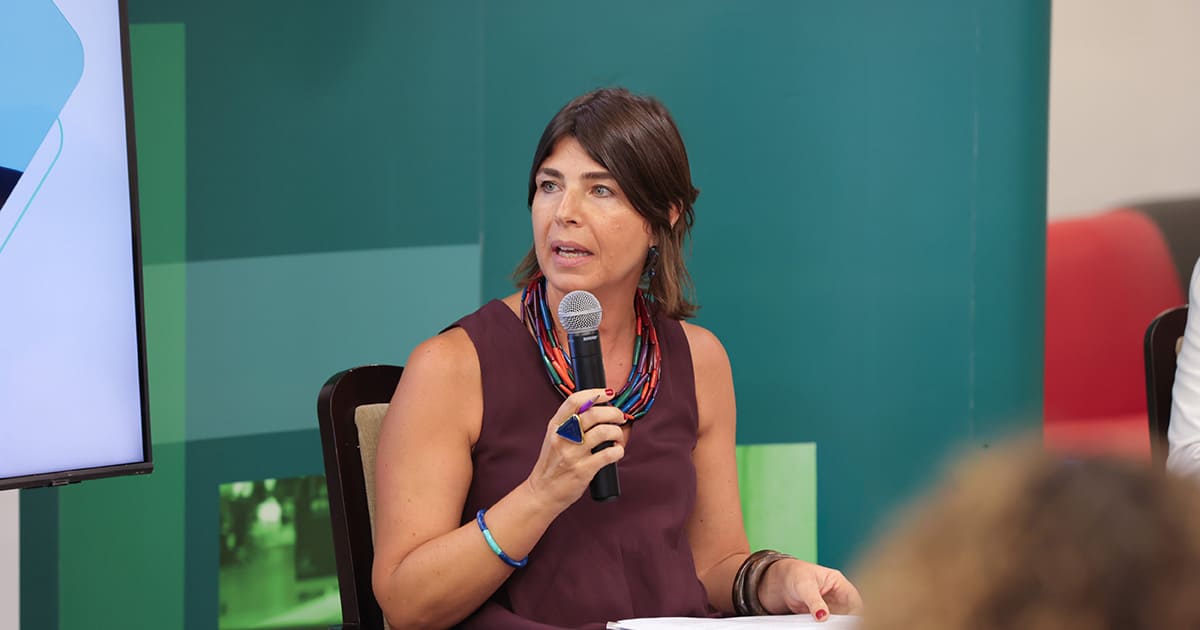
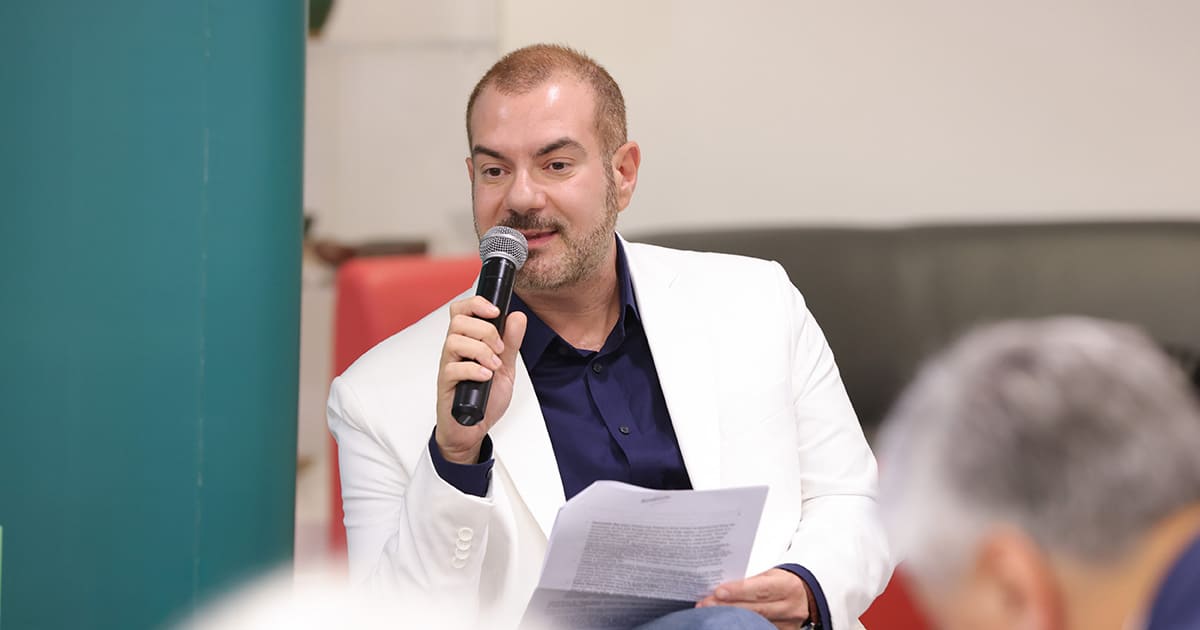
From tribute, the evening turned to dialogue, with a panel discussion featuring Associate Professor and Chair of the Department of English and Creative Arts Sleiman El Hajj, Assistant Professor Sana Tannoury (BS ’08), and part-time Lab Instructor Zahra Assi (MS ‘22), representing Professor of Biology Mirvat El Sibai. Together, the panelists examined why recording women’s histories matters and how archives can deepen understanding of historical figures.
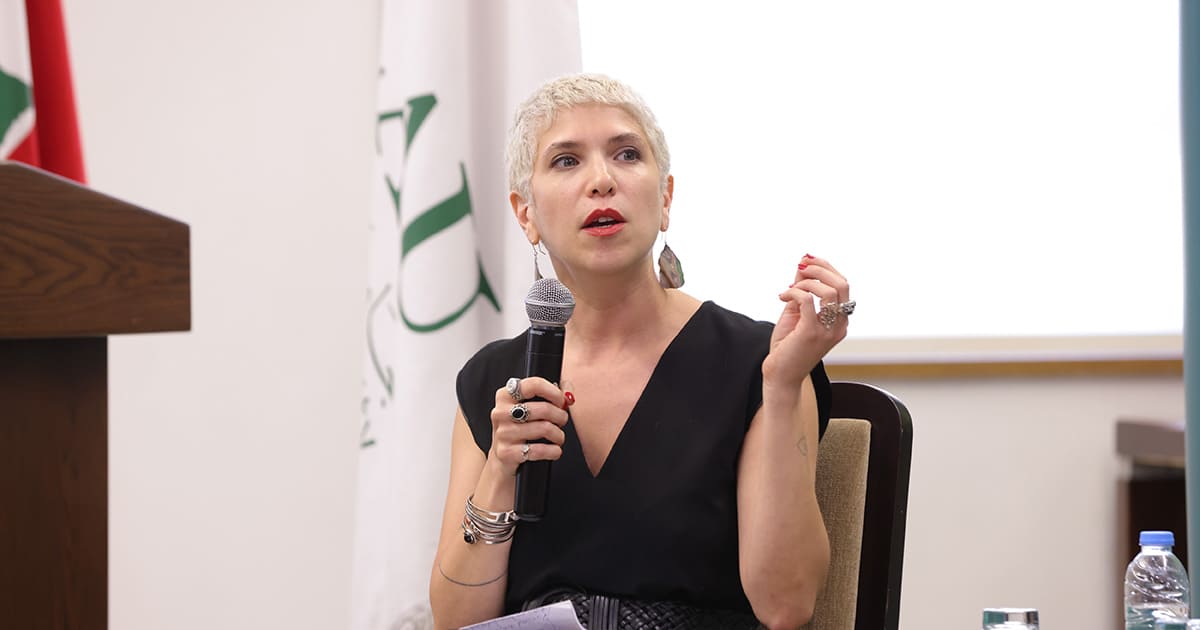
Opening the conversation, Dr. El Hajj argued that “writing stories ensures that pioneering is not understood solely as a random happening, but as a path that’s been forged through deliberate perseverance and hard work,” cautioning that treating women’s achievements as isolated exceptions lets historians avoid questioning the structural barriers that kept other women out.
Building on that idea, Dr. Tannoury connected it to the value of the Nassar family’s decision to share their aunt’s personal archives with AiW. “This is the first step to break the silence on women’s presence historically,” she said, adding that biographical material lets historians include women as active contributors to their time periods, rather than setting women’s history apart as a separate, secondary record.
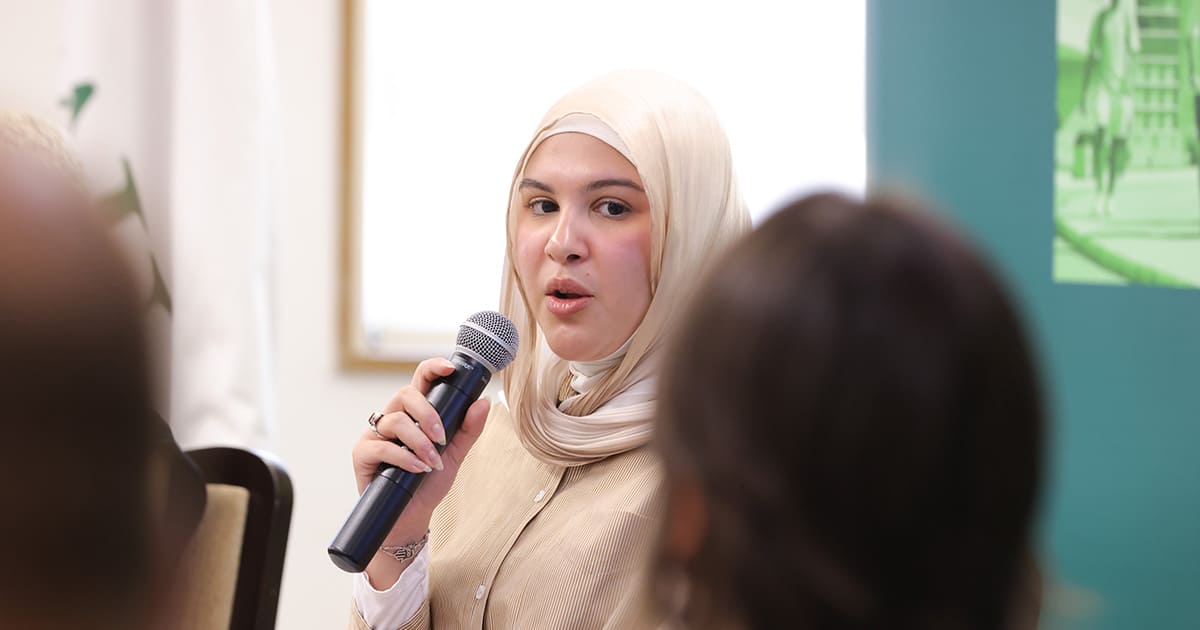
Turning to the value of visible role models in science, technology, engineering, and mathematics, Assi offered a brief but pointed reflection: role models like Dr. Nassar “don’t just inspire admiration, they accredit what a girl believes is possible in her own life.”
Looking ahead, AiW outlined plans for an exhibit of Dr. Nassar’s personal archive, ensuring her legacy continues to reach new generations at LAU.


