The Institute for Environmental Studies and Research Discusses el-Qaa as a Model for Heritage and Sustainability
A multidisciplinary panel examines how a village’s traditional architecture can guide sustainable development.
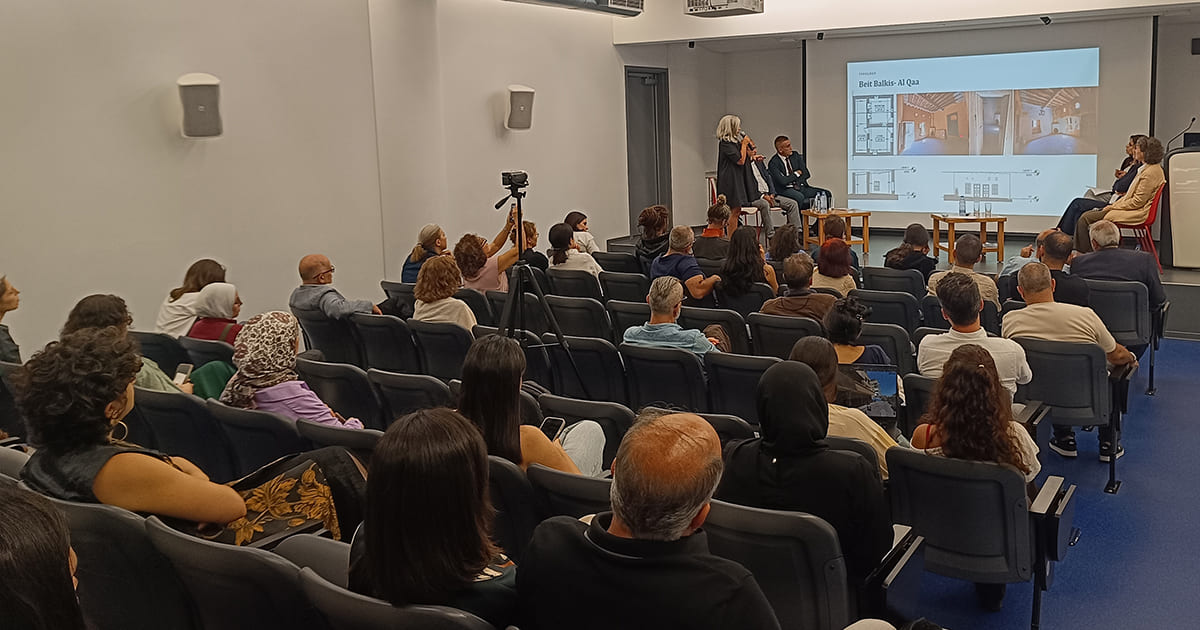
In the Lebanese village of el-Qaa, in the Baalbek-Hermel Governorate, traditional mudbrick houses hold the memories, everyday practices, and relationships with the land that have shaped the community for generations. Understanding that richer story, and what it might mean for the village’s future, was the focus of a panel discussion hosted by the Institute for Environmental Studies and Research (IESR) at the School of Architecture and Design (SArD) on September 22, 2026.
The panel, titled “Heritage and Sustainability: Learning from the Past to Design the Future—The Case of el-Qaa Village,” used the mudbrick house as a starting point to look at el-Qaa’s wider cultural landscape as heritage. Beyond the buildings’ architectural and historical value, speakers emphasized the social and cultural meaning embedded in them.
The event was moderated by Dr. Carine Lteif, IESR director, who introduced it as part of the IESR Dialogues: “Conversations at the Intersection of Environment, Space and Society,” a series of dialogues hosted by the institute that aim to bridge academia and practice by opening a space for exchange among academics, professionals, local communities, and municipal representatives.
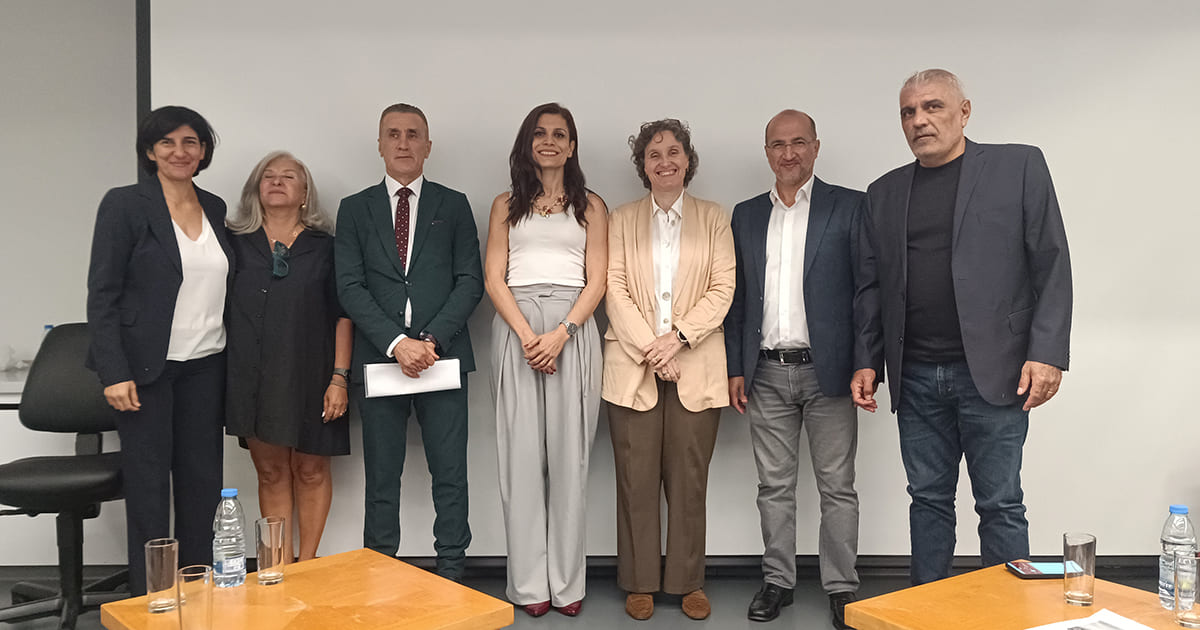
True to that mission, the panel brought together voices from these spheres. Held in the presence of el-Qaa Municipal Council President Bachir Matar, it featured Alia Fares, archaeologist and cultural heritage consultant; Grace Rihan, architect and heritage conservation consultant; Nicolas Matar, former Municipal Council President and founder of the NGO Himam, which leads the Qaa Heritage Revival Project (QHRP); Jamal Farha, consulting engineer for the el-Qaa municipality; and Salam Kallas, a community representative and active participant in the project.
Together, the panelists traced the historical, architectural, social, and cultural significance of the mudbrick houses and considered how this heritage could be woven into the village’s future development rather than set apart from it. They weighed the challenges of preserving and reactivating these structures alongside the opportunities they present, before closing with recommendations for possible next steps.
The session drew an engaged audience of students, faculty, professionals, and representatives from a range of fields and institutions, sparking a multidisciplinary conversation on heritage, sustainability, architecture, and local development, and reaffirming the role of the university as a meeting point between research and the communities it serves.


