Visionary Educator Julinda Abu Nasr Receives the Lebanese Order of Public Education
On what would have been her 95th birthday, the founding director of the Arab Institute for Women received a national decoration.
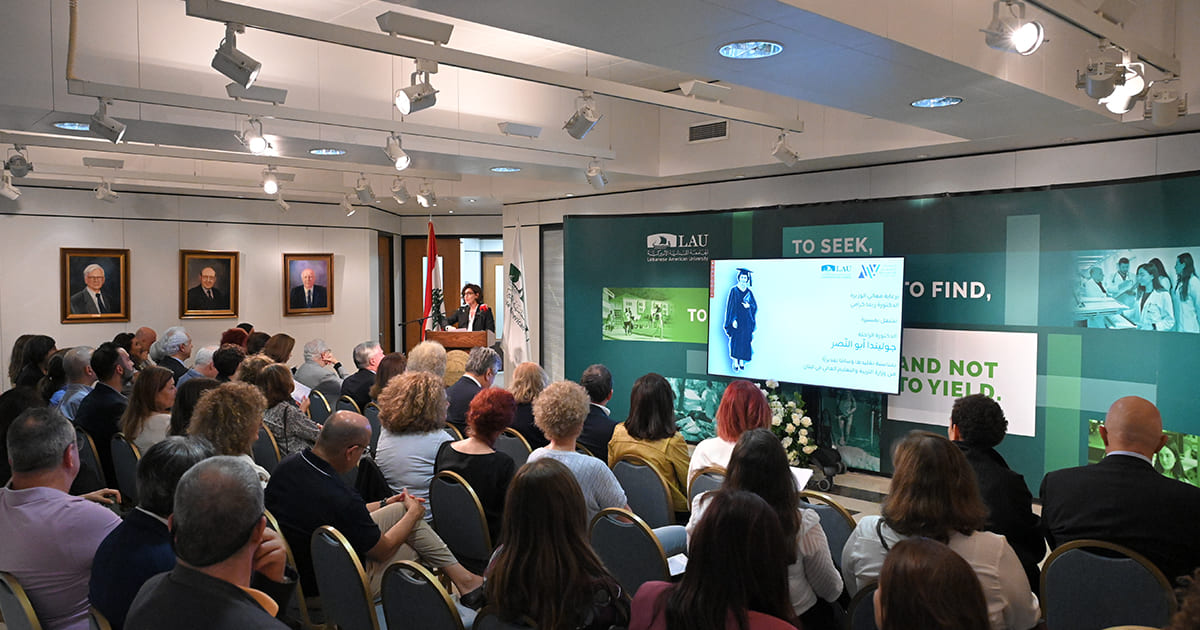
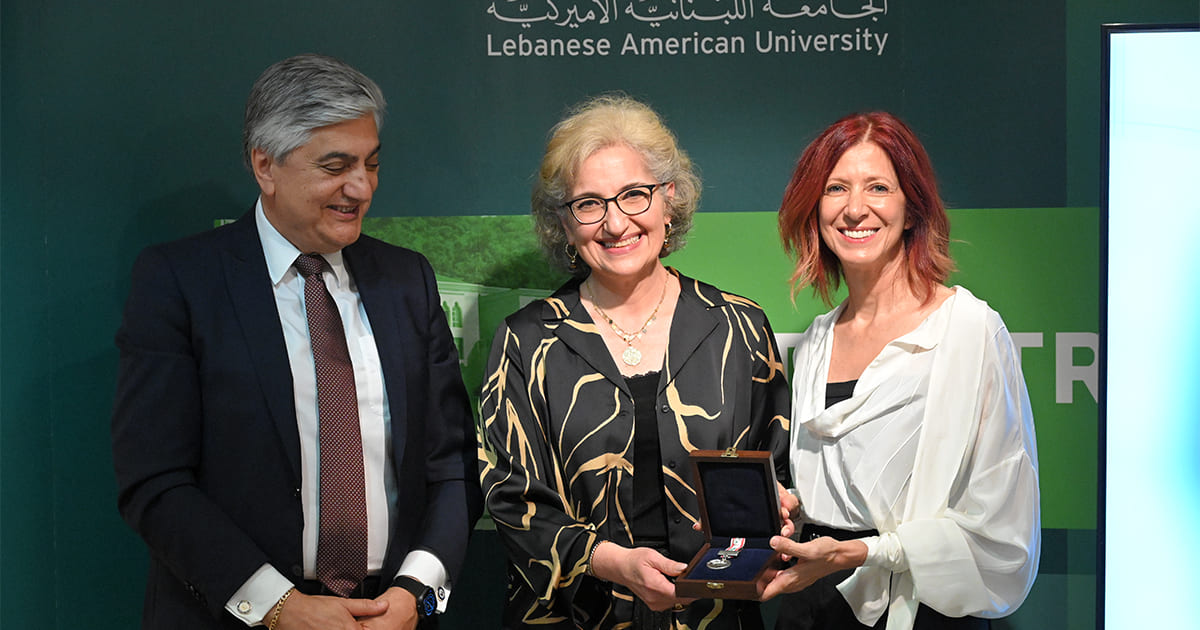
Long before Julinda Abu Nasr (AA ’53) founded the Arab world’s first institute for women’s studies, her mother made a weeklong trek to get an education. After the village school in Rishmaya was shut down, Dr. Abu Nasr’s mother traveled mostly on foot to a missionary school in Sidon, knocking on strangers’ doors each night for food and shelter. Years later, she returned to that school as a housemother so her own daughters could study there.
That conviction that learning is worth any distance shaped her daughter’s life, and on October 16, 2026—what would have been Dr. Abu Nasr’s 95th birthday—the Lebanese Republic formally recognized it, posthumously.
Under the patronage of Minister of Education and Higher Education Rima Karami, the Arab Institute for Women (AiW) hosted the ceremony marking the conferral of the Order of Public Education on Dr. Abu Nasr for her pioneering contribution to women’s education and research in Lebanon and the region. In attendance were Dr. Karami, Minister of State for Technology and Artificial Intelligence and LAU Trustee Kamal Shehadi; Vice President of the National Commission for Lebanese Women and Ambassador Sahar Baassiri Salam; LAU President Chaouki T. Abdallah and vice presidents; governmental and UN representatives; Dr. Abu Nasr’s family and friends; as well as LAU faculty, staff, and students.
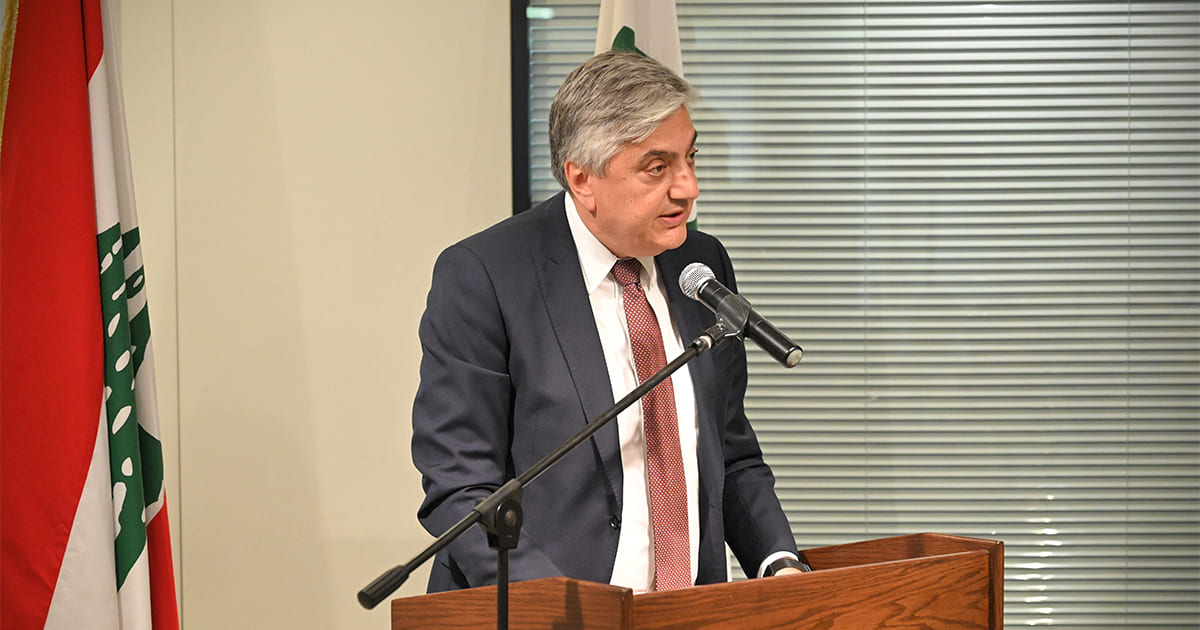
In his opening remarks, LAU President Chaouki T. Abdallah described a woman who believed that knowledge could free those it reached. “Through her work, she sparked a revolution that crossed Lebanon’s borders and echoed across the Arab world and beyond,” he said.
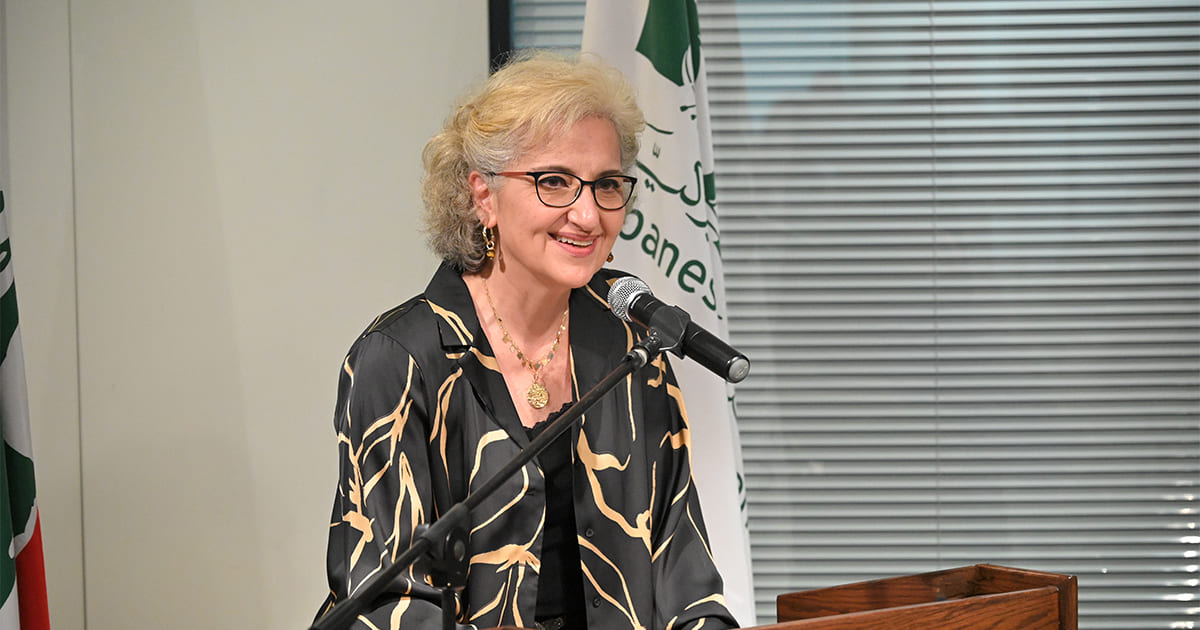
Minister Karami traced that revolution back to its modest beginnings in 1951, when Dr. Abu Nasr, then a young student on a scholarship, set up a preschool program. “In this small beginning lies the meaning of her entire career: to see a need that no one was answering, and to make her knowledge a way to answer it,” she said.
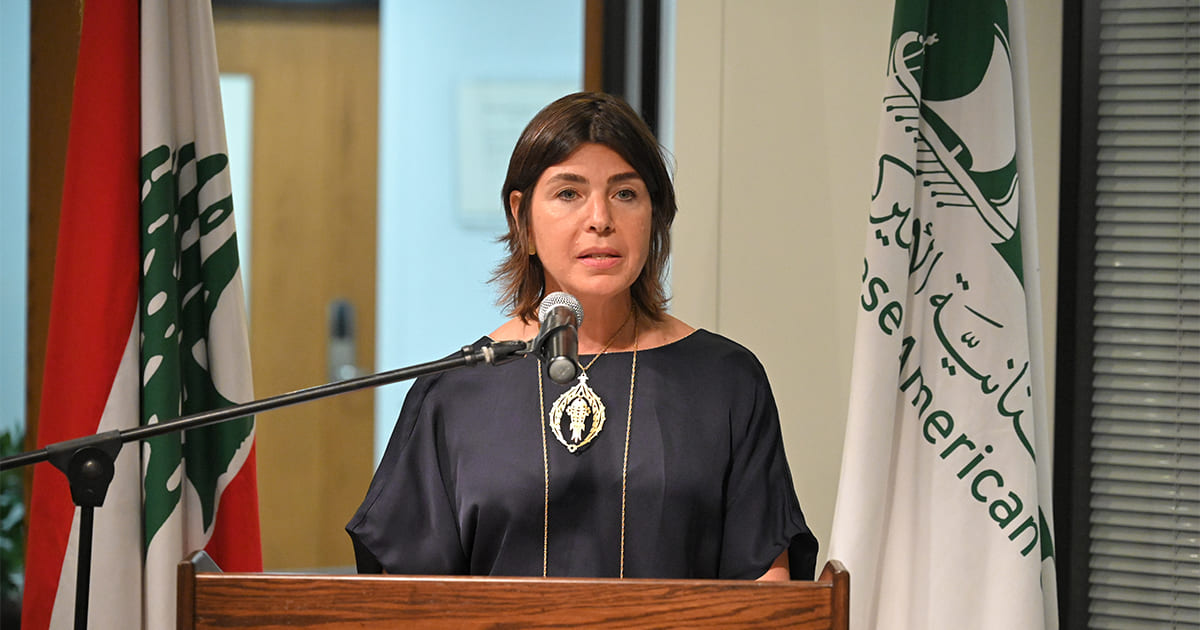
Her legacy also lives on at the Arab Institute for Women (AiW), the institute she founded and led. AiW Executive Director Myriam Sfeir remembered a demanding leader who “never accepted things as they were.” She added that such recognition “only gains its true meaning when we begin at home, by honoring the exceptional women who paved the way for us.”
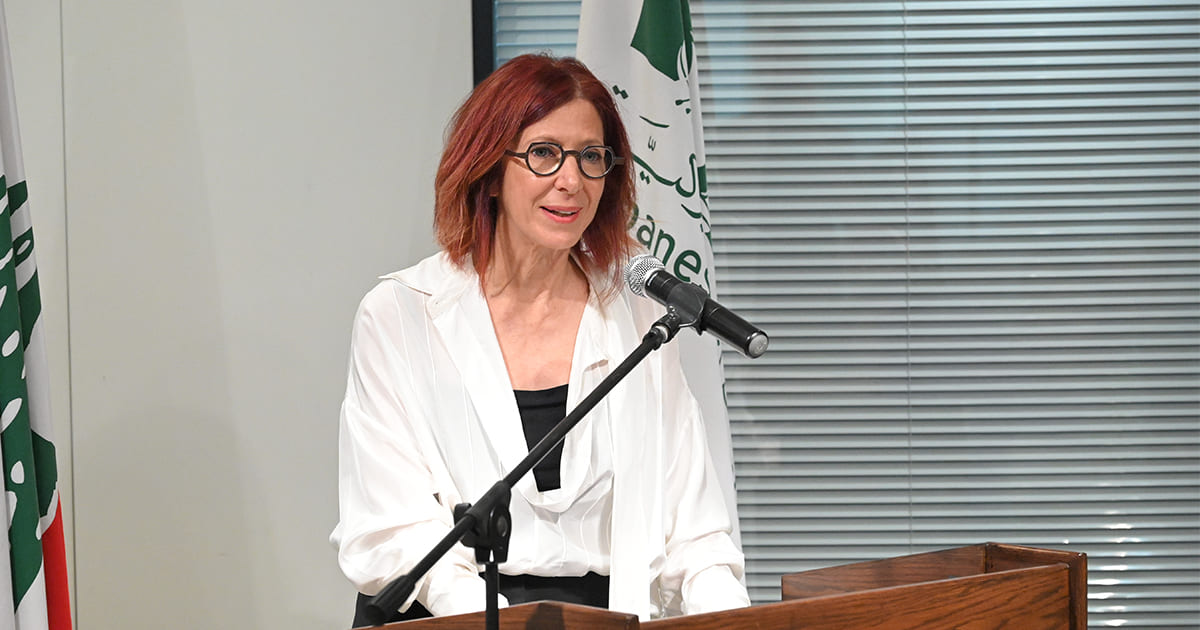
Speaking on behalf of the family, Dr. Abu Nasr’s niece Lina Matta (BA ‘84) recalled her aunt arriving in the US practically penniless on a scholarship, spending weekends giving talks about Lebanon in churches and community centers to cover her expenses. “Dr. Abu Nasr never lectured me on what an independent woman should be,” Matta said, “She simply lived her life and, in doing so, she showed me, and many others, the way.”
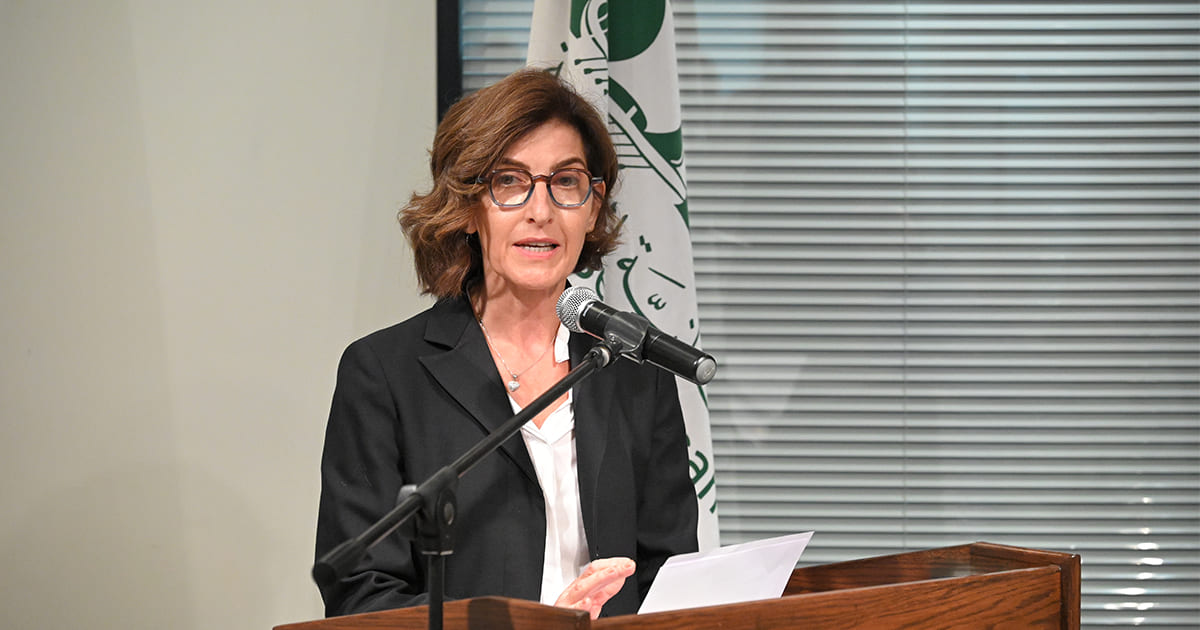
That example reached generations of students as well. Children’s books author Fatima Sharafeddine, who studied early childhood education under Dr. Abu Nasr from 1986 to 1989, recalled a professor who watched her students from a hidden observation booth and taught them to be “firm but kind” with children. “She is still with me, because I still hear her voice whenever I apply what I learned from her in my work,” Sharafeddine said.
The ceremony featured a short film on Dr. Abu Nasr’s life and concluded with a tour of an exhibition of her personal items, followed by a reception. Sfeir announced that she and a former colleague at AiW, Ghina Ismail are working on a book titled Julinda Abu Nasr As We Knew Her.


