Conflict Resolution Symposium Looks for Lessons Toward Peacebuilding
Experts drew on experiences from Northern Ireland to Iraq to ask what Lebanon can learn, and what it cannot borrow, as it seeks stability and recovery.
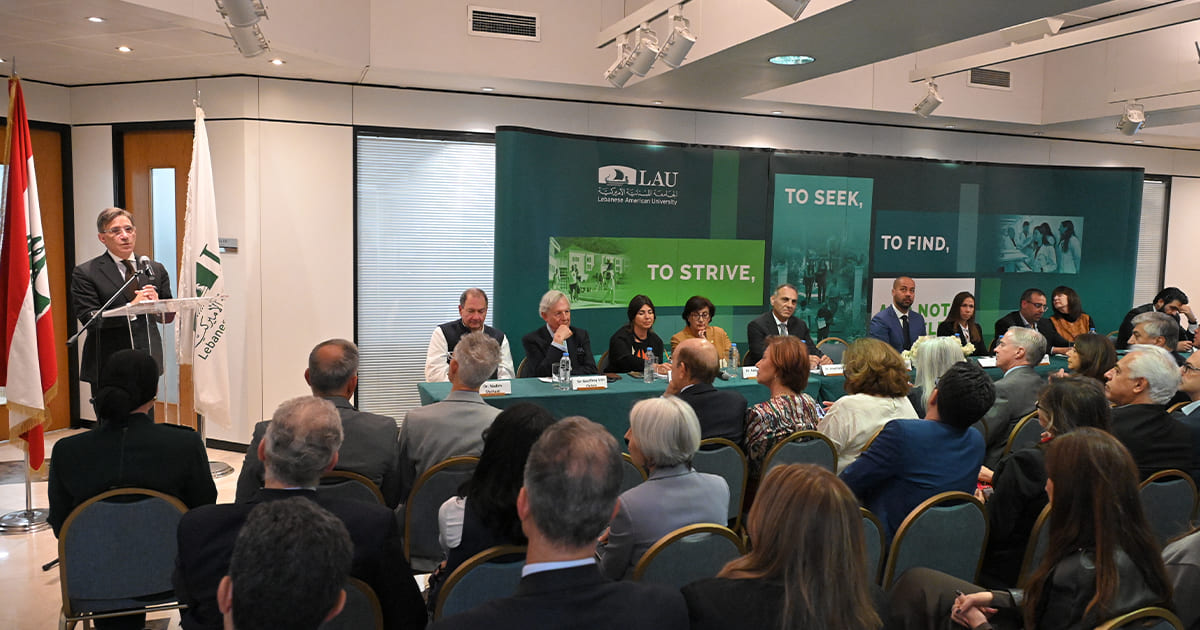
What can Lebanon learn from countries that have found their way out of conflict, and which of their solutions cannot be carried across borders? That question framed Conflict Resolution: Lessons Learned, a symposium held at LAU’s Beirut campus on November 12, 2026, bringing together experts in private, public and civil sectors, economists, and researchers. It was organized by LAU Visiting Professor of Political Science Joseph A. Cari Jr.
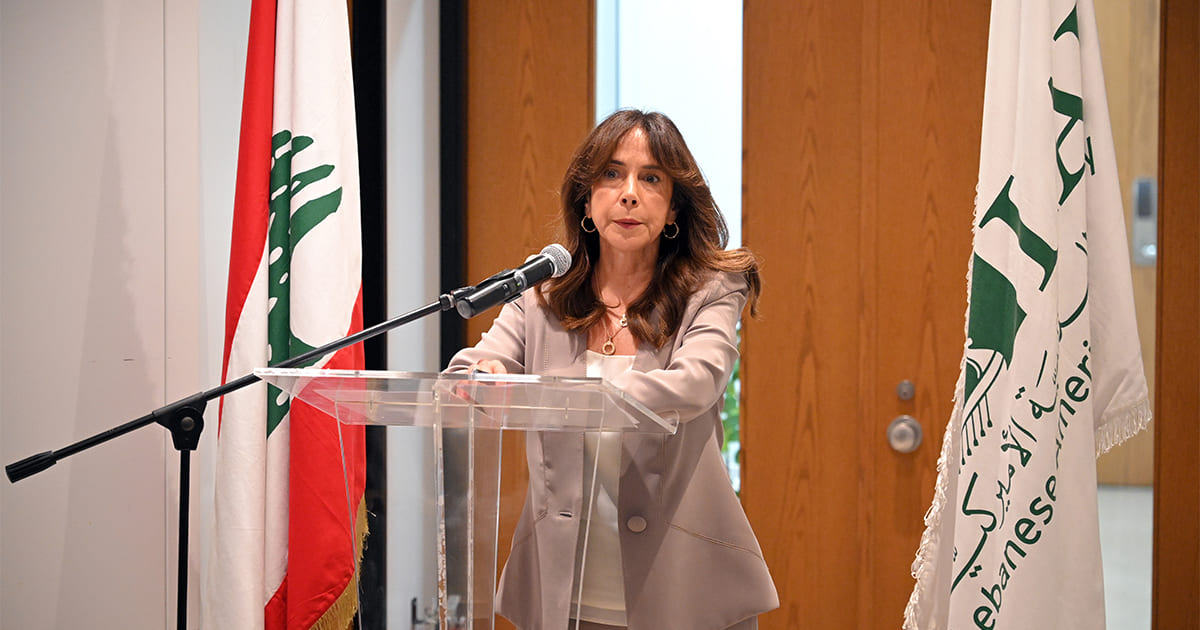
For LAU Trustee and former Minister of Defense Zeina Akar (BS ‘87), the aim was to change the conversation. “I did not want another conference discussing Lebanon’s problems,” she said. “Other countries have faced similar challenges, so why not learn how they resolved conflicts, rebuilt trust, and worked towards lasting peace? And just as importantly, what failed, and why?”
Universities, she added, “should encourage open dialogue without turning every disagreement into a political confrontation.” Lebanon has paid an enormous price, she acknowledged, but “I refuse to believe that instability must remain our permanent reality. We can learn from international experiences, but ultimately, the responsibility for Lebanon’s future rests with us—our leaders, institutions, and citizens.”
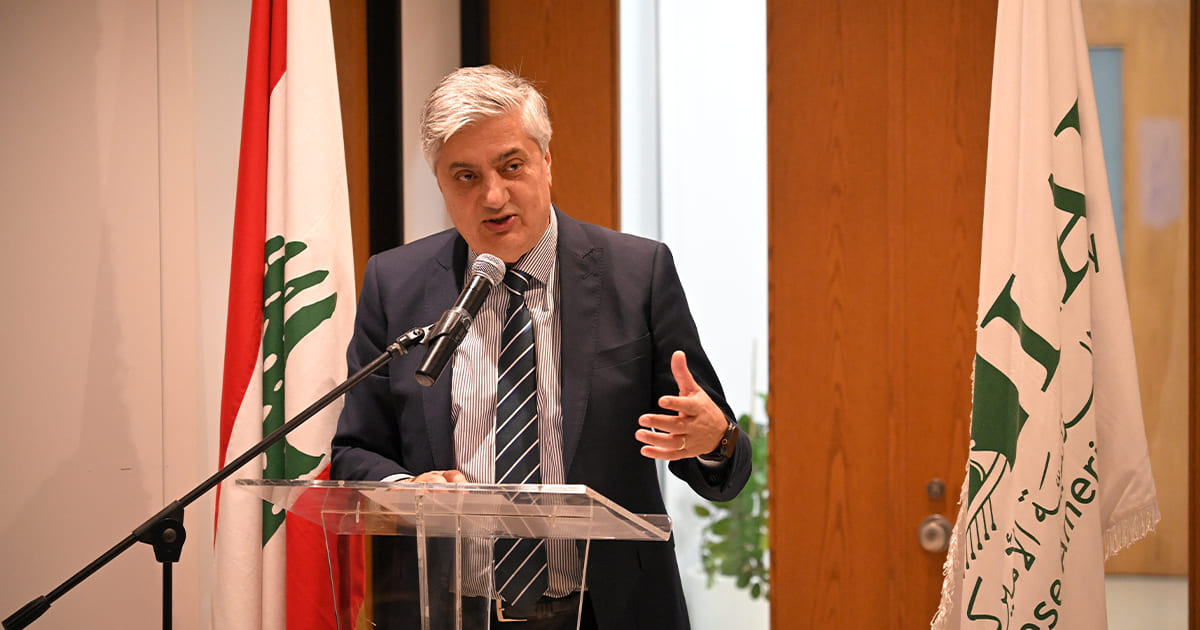
In that spirit, LAU President Chaouki T. Abdallah challenged attendees to reflect on whether “we can take on responsibility for people beyond our own families, our own villages, and those who agree with us.” Effectively, that translates into “hearing from people whose memories of conflict differ from ours. It means building institutions people can trust to treat them fairly.”
The president urged students to “keep asking the questions that make the adults uncomfortable,” and called on institutional leaders to “bring students into the room while their ideas can still change the decision.”
Across three panels, speakers examined power-sharing and disarmament, the role of women and youth, and economic and institutional recovery.
The first panel, featuring former British Army brigadier general Geoffrey Van Orden, US Army veteran Perfecto K. Sanchez, and LAU Professor and Chair of the Political and International Studies Department Imad Salamey, considered how armed groups divided along sectarian lines can be brought into a sovereign state. Disarmament, panelists agreed, tends to follow long mediation backed by external actors, and parties negotiate when exhausted by conflict—a point they suggested Lebanon may have reached.
For Lebanon, the panel recommended fully implementing the Taif Agreement, particularly Article 95 on deconfessionalization, a bicameral parliament, and equal citizenship; building on UN Security Council Resolutions 425, 1559, and 1701; making the state the sole security provider; and delivering visible recovery to affected communities.
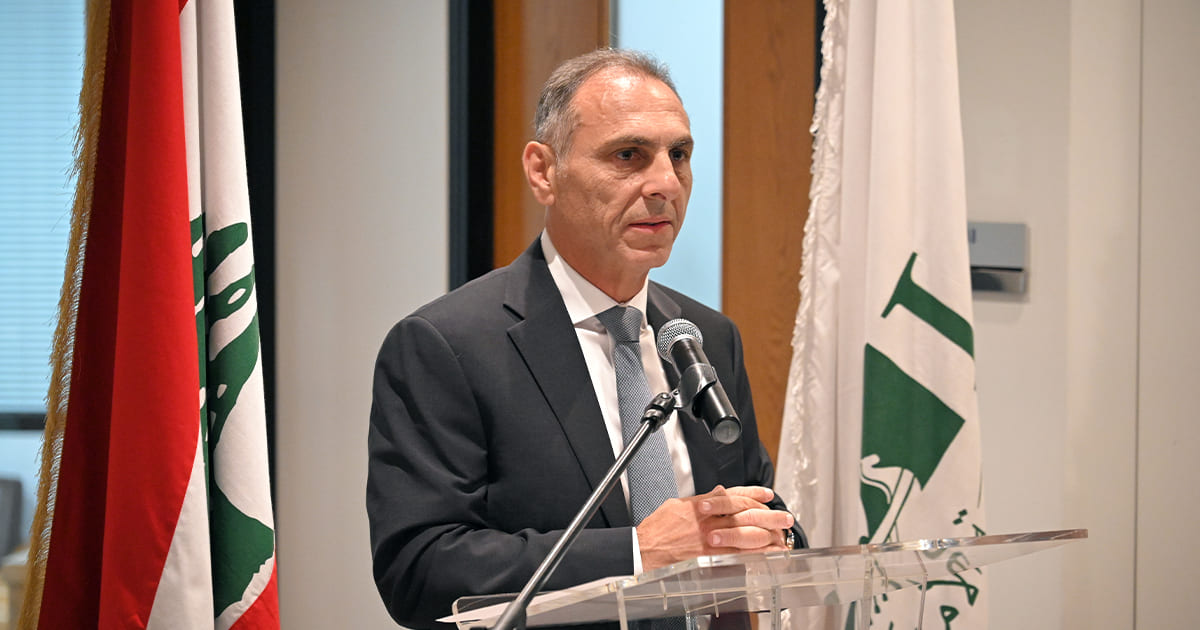
“The task is now to turn these frameworks into credible and verified settlements that link full state sovereignty to constitutional reform, communal security, and shared economic recovery,” concluded Dr. Salamey.
The second panel argued that women, children, and young people must be seen not only as victims of conflict but as people with agency and rights. International security strategist and Founding CEO of Next Wave Center Cecilia Polizzi described how armed and extremist groups increasingly exploit children for economic gain, propaganda, and ideology, with digital recruitment worsening the problem. She called for approaches that treat children as rights holders rather than security threats.
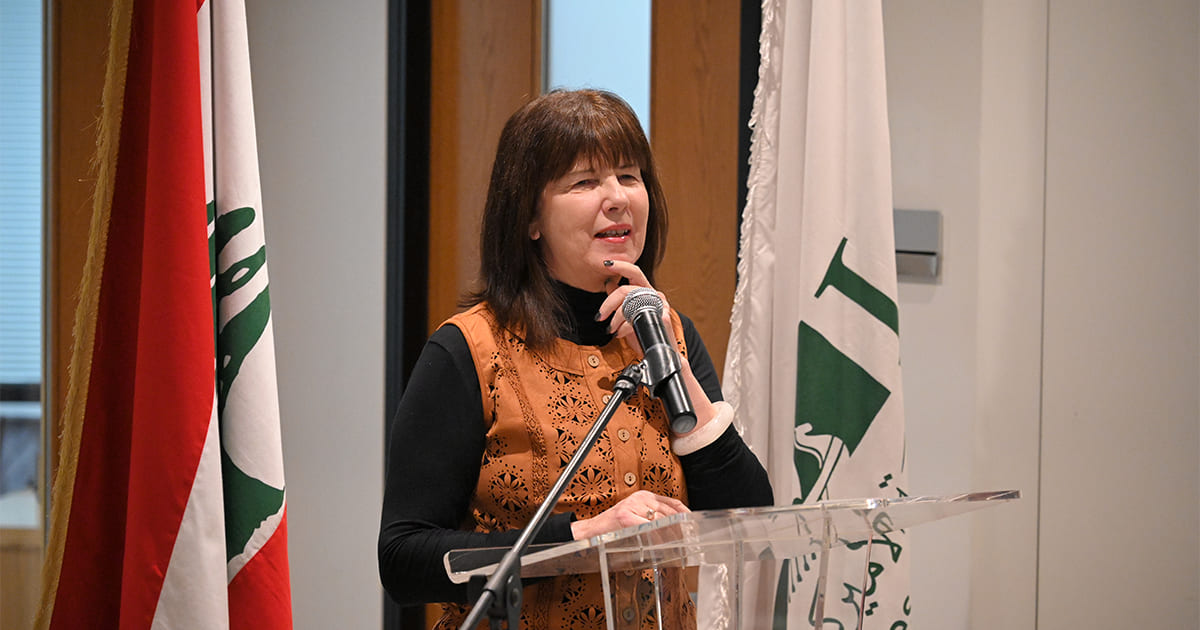
Executive Director of NewGen Peacebuilders Patricia Shafer challenged portrayals of young people as victims or perpetrators. Describing peacebuilding as a blueprint for solving problems, she encouraged universities to invest in student projects that bring innovation to the field, calling it “Peacepreneurship.”
Director General of the Arab Women Organization Fadia Kiwan drew on a six-country study of the Arab World to show the lasting harm conflict does to women and girls, from early marriage and trafficking to displacement and stigma. She urged sustained psychosocial support, economic opportunity, and a role for women in transitional justice.
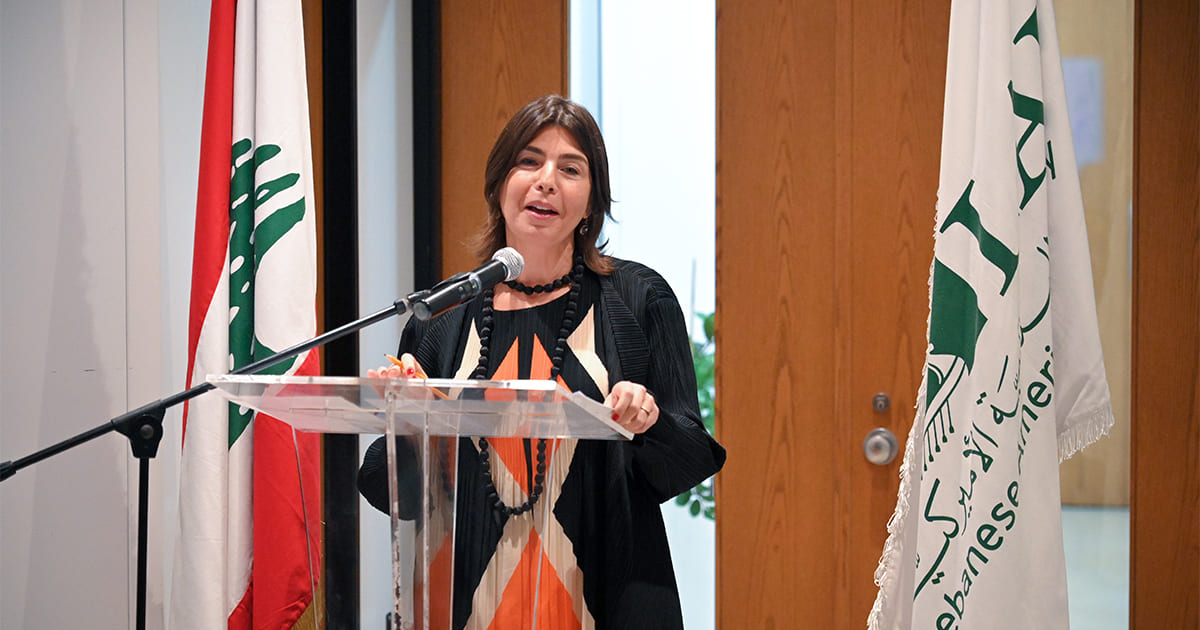
“Peacebuilding cannot be postponed until conflicts end. It must begin during conflict,” affirmed Executive Director of the Arab Institute for Women at LAU Myriam Sfeir, who moderated the panel.
In the third panel, that was moderated by economist Nadim Shehadi, panelists Executive Director of the Lebanese Center for Policy Studies Makram Ouaiss, energy expert Marwan F. Abdallah, and LAU Professor of Economics Walid Marrouch argued that Lebanon is caught in a “conflict trap.”
They contended that the Taif Agreement moved warlords into parliament, where armed actors shielded corrupt elites from accountability, and that no modern economy can function unless the state alone controls the use of force. They also criticized reliance on unconditional foreign aid, which delayed rather than prevented the 2019 collapse.
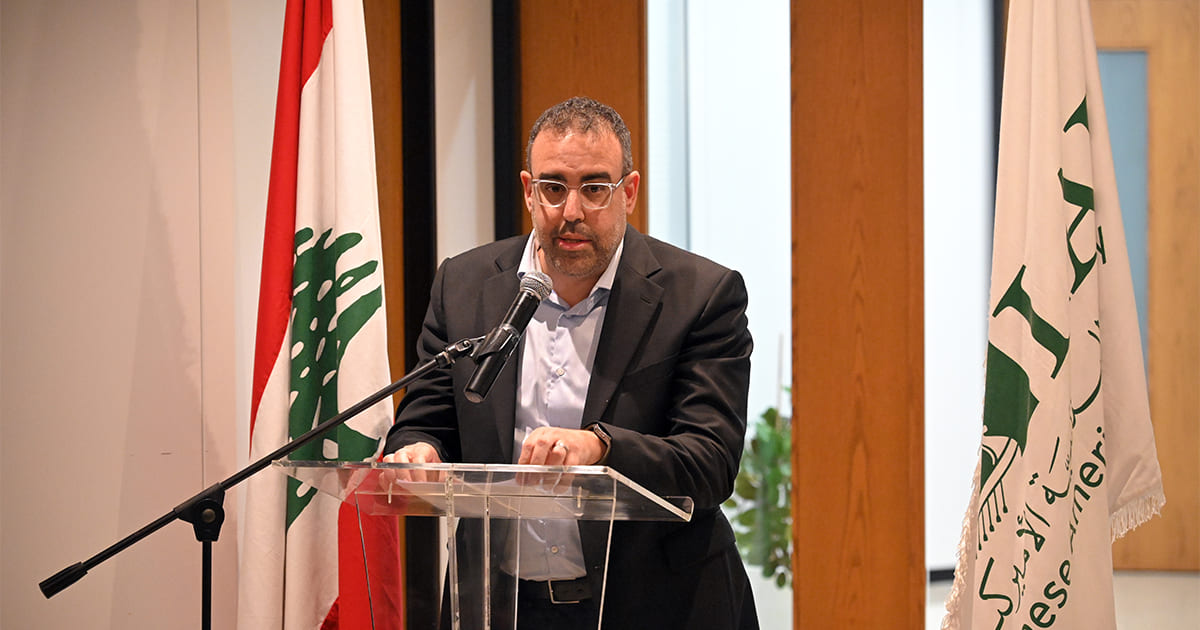
“We cannot rebuild the Lebanese economy without injecting new blood into a reformed political system, ending the addiction to unconditional aid that delays hard political choices, as well as transforming the state from a market player to an impartial regulator,” said Dr. Marrouch.
The symposium closed with a lively Q&A with students, faculty, and friends of the university, opening the door for sharing different perspectives and engaging with the speakers.


