LAU and Michel Issa Foundation Advance Development Roadmap for Byblos District
The conversation brought together policymakers, academics, and community leaders to turn local development priorities into coordinated action.
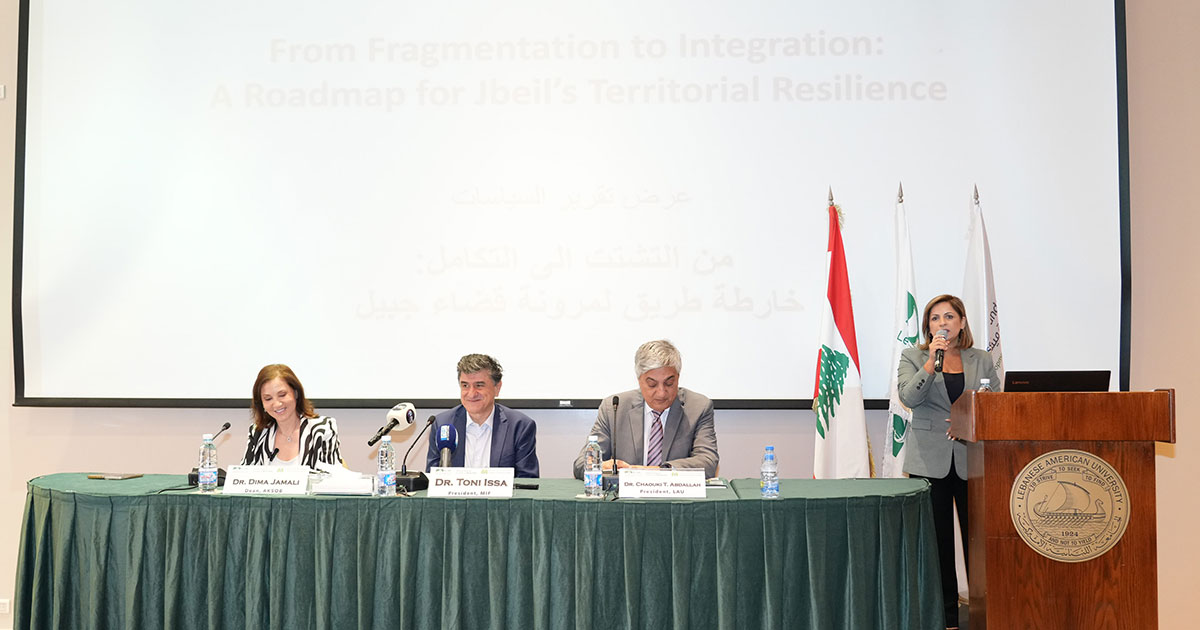
The launch event engaged community stakeholders, including policymakers, municipal representatives, academics, and community leaders, and featured a panel discussion titled “Shaping the Future of Jbeil District: From Fragmentation to Integration,” on the LAU Byblos campus on October 14, 2026.
Organized by MIF in collaboration with LAU’s Adnan Kassar School of Business (AKSOB), the forum built on a joint workshop held in November 2025 when stakeholders first examined the district’s development challenges and identified shared priorities.
Opening the event, LAU President Chaouki T. Abdallah emphasized the university’s responsibility toward the communities it serves.
“Our university is not simply located in the Byblos district. We are part of this community,” he said, adding that universities must prepare students for professional success, citizenship, public service, and responsible leadership.
Addressing the importance of evidence-based development, Dr. Abdallah stressed that meaningful progress requires reliable data, rigorous analysis, and cross-sector cooperation.
“The report is not the end point. Its true value will be measured by what follows: the partnerships it creates, the priorities it helps establish, the resources it mobilizes, and the improvements it produces in people’s daily lives,” he said.
AKSOB Dean Dima Jamali underscored the school’s responsibility beyond the classroom. “We must also help the communities and the economies in which future business leaders will work and live.”
She pointed to Byblos’s considerable strengths, from its natural and cultural heritage to its entrepreneurial talent, while acknowledging that isolated initiatives cannot fully realize the district’s potential.
For MIF President Toni Issa, the report connects existing development initiatives rather than siloed proposals.
“[We brought] these priorities together within a framework that allows us to turn ideas into projects and programs that can be implemented,” he said.
Dr. Issa explained that the report was developed through consultations with local officials, municipalities, institutions, associations, and academic experts, combining community knowledge with research and analysis. He also emphasized that the roadmap would be made available to relevant authorities and organizations to support their own development initiatives.
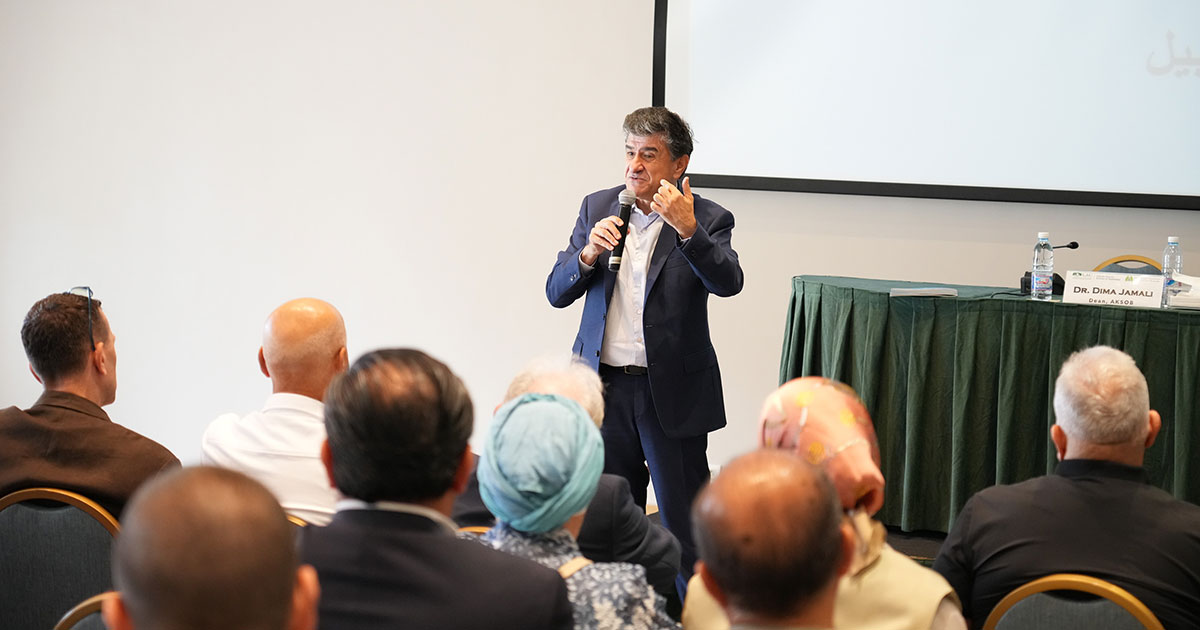
Importantly, MIF intends to move forward with selected pilot projects while exploring further opportunities for collaboration with LAU and other partners.
“We will not wait,” affirmed Dr. Issa, “From our end, we will also contribute to implementation.”
The forum also featured a presentation by MIF Consultant Jad Abou Arrage, who introduced the report’s thematic priorities and recommendations.
Covering community well-being, heritage and tourism, environment and agriculture, infrastructure and services, and innovation and entrepreneurship, the roadmap offered an integrated approach to the district’s development needs.
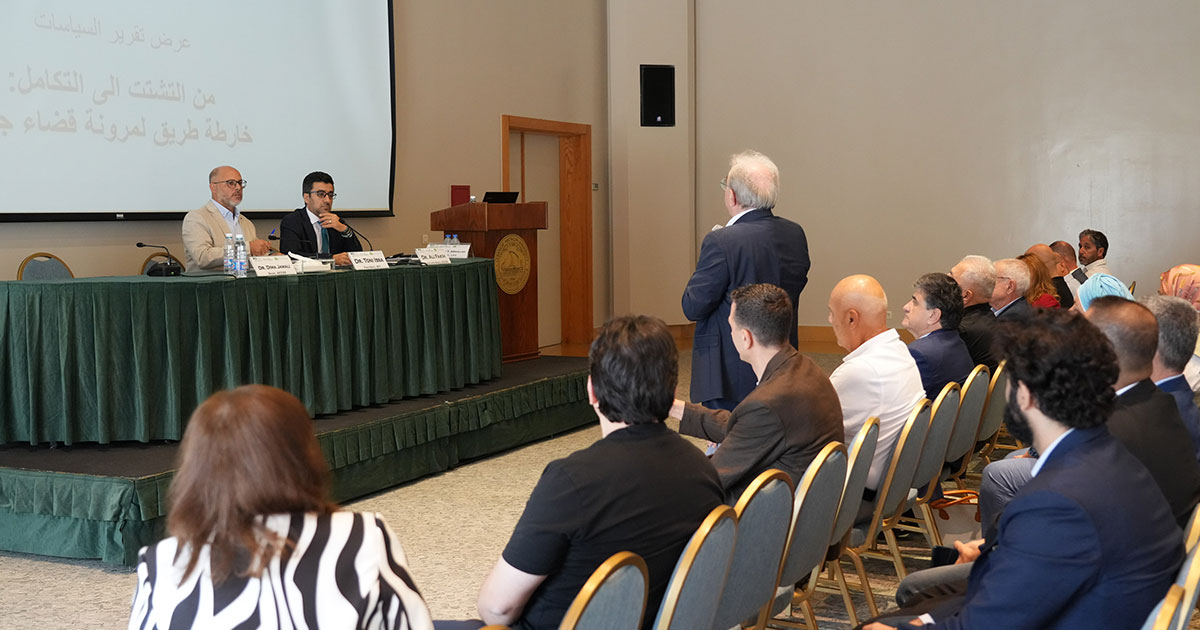
An open discussion moderated by AKSOB Associate Dean and Professor of Economics Ali Fakih and Dr. Abou Arrage moved the conversation toward action, examining proposed projects and implementation priorities across five key areas: municipal coordination, environmental protection, sustainable tourism, entrepreneurship and innovation, and inclusive community development.


