LAU and the MIF Convene Stakeholders on Development Priorities in Byblos
A joint LAU–MIF workshop galvanized local, national and academic actors to move from recurring diagnosis to coordinated, actionable development.
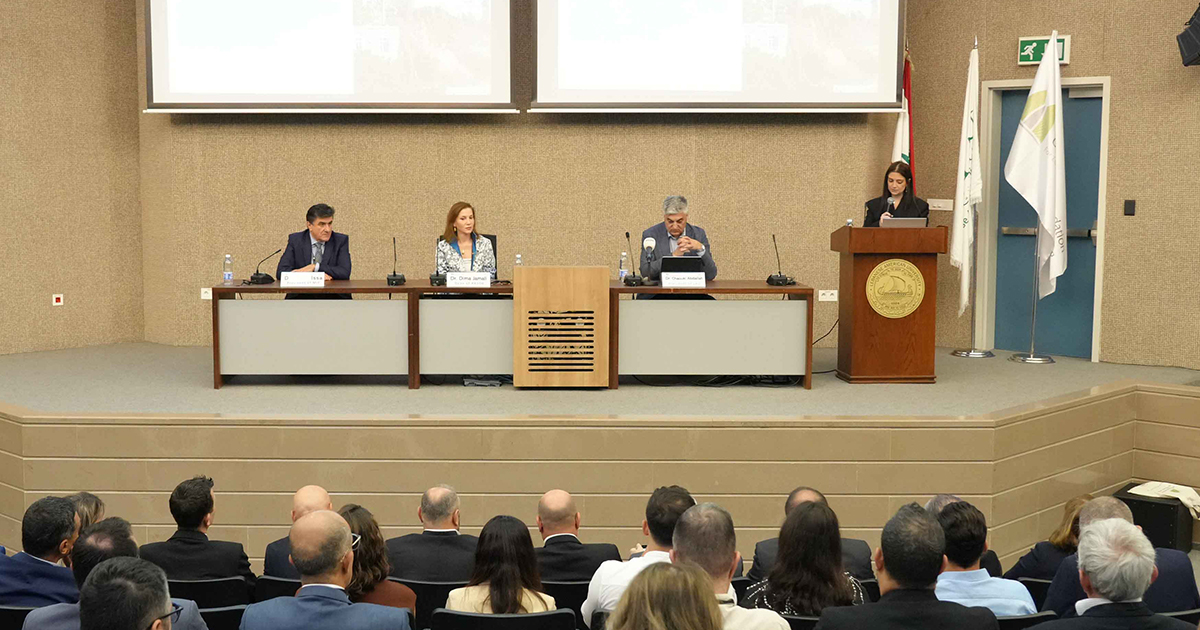
A joint initiative between LAU and the Michel Issa Foundation for Local Development (MIF) brought key stakeholders together to confront pressing development challenges and identify shared priorities for the Byblos district, reinforcing the role of academic–community partnerships in shaping sustainable local futures.
Titled Jbeil District at a Crossroads: Challenges and Development Priorities, the workshop organized by the Dean’s Office at the Adnan Kassar School of Business (AKSOB) in partnership with the MIF took place on November 29, 2025, at the LAU Byblos campus. It convened representatives from municipalities, civil society organizations, academia and the private sector for a structured dialogue on the district’s socio-economic, environmental and institutional realities.
At the core of the workshop was a shared recognition that Byblos, a UNESCO World Heritage Site distinguished for its vibrant communities and extensive rural areas, possesses exceptional assets that remain underleveraged. Yet, the district faces mounting pressures, including environmental degradation, youth migration, infrastructure gaps and the fragmentation of development efforts, challenges further intensified by Lebanon’s broader political and economic crises.
Opening the event, LAU President Chaouki T. Abdallah called for a shift from repeated diagnosis to implementation. “What is needed now is focused, practical action—small, cumulative steps grounded in shared responsibility,” he said.
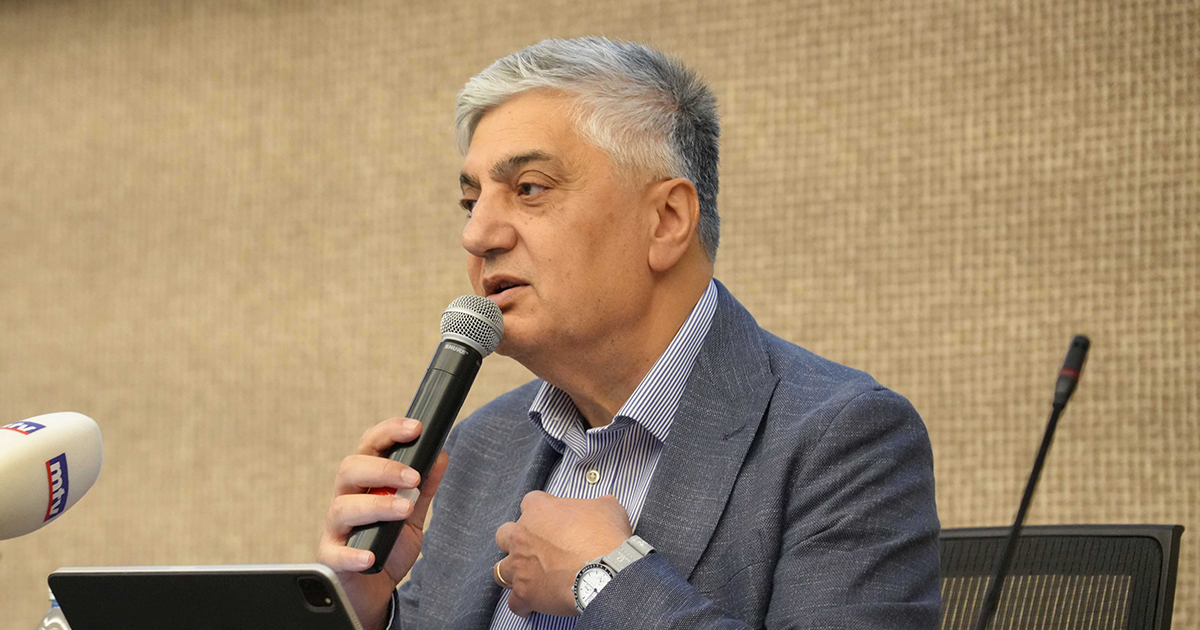
Universities play a crucial role in connecting knowledge with practice, added Dr. Abdallah, noting that “academic institutions have a duty to engage with their communities and support locally driven solutions through collaboration and applied research.”
Building on this call to action, AKSOB Dean Dima Jamali framed the workshop as a moment of collective choice and responsibility. “Development is about aligning people, place and purpose,” she remarked. “This workshop was designed not as a one-off meeting but as a platform for momentum.”
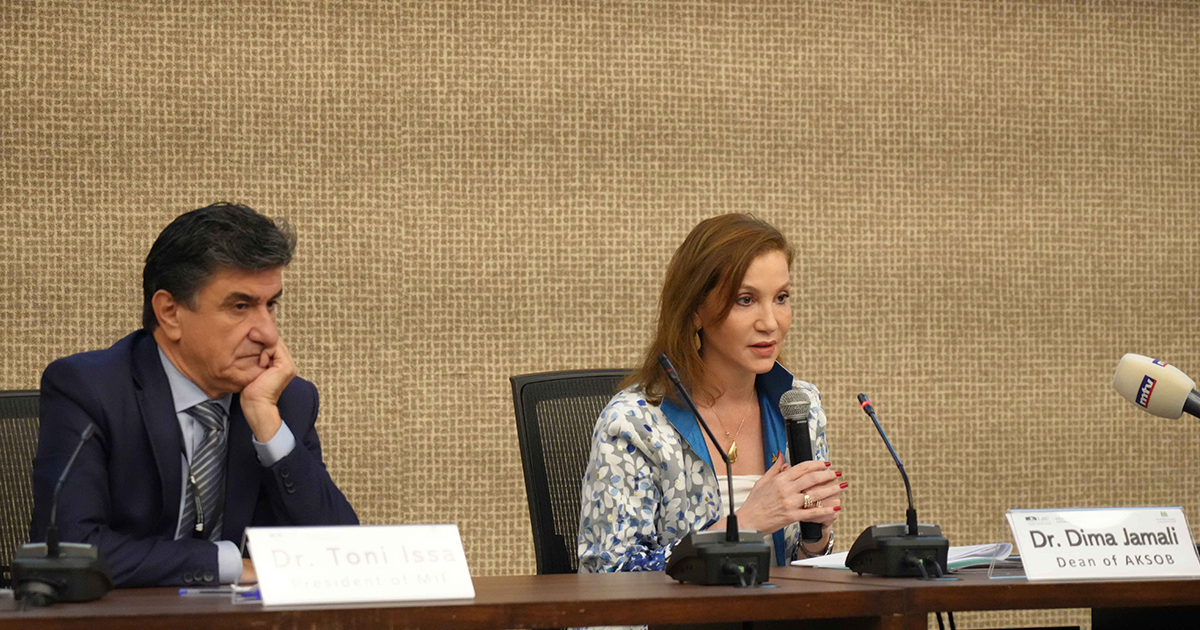
Dean Jamali emphasized that the discussions were intentionally structured around five thematic pillars: Community wellbeing; heritage, tourism and creative economies; environment and agriculture; infrastructure and services; and innovation and entrepreneurship—reflecting a holistic approach to sustainable development.
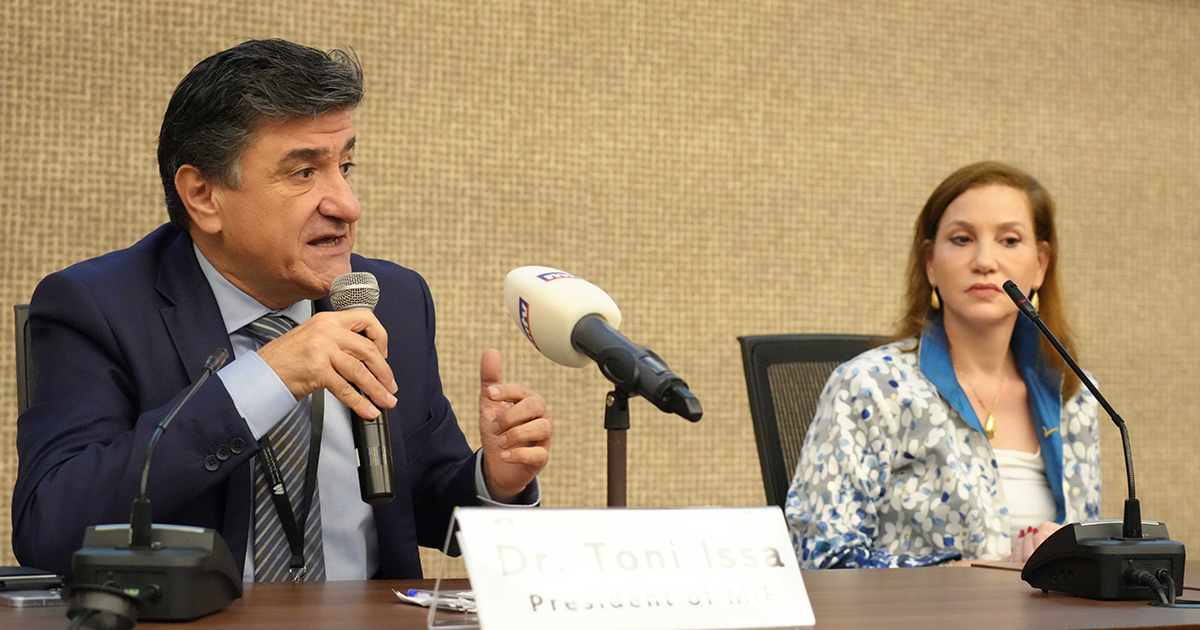
The partnership with the MIF was central to this effort. In his keynote address, MIF President Toni Issa spoke about the foundation’s long-standing engagement in the district and the importance of organizing existing initiatives within a clear, evidence-based framework.
“Byblos is rich in initiatives, but impact depends on coordination and evidence-based planning,” he said. “By combining LAU’s academic expertise with MIF’s on-the-ground experience, we can move from scattered interventions to structured, implementable and impactful solutions.”
Outcomes from the participatory sessions will feed into a policy-oriented roadmap that articulates realistic, actionable priorities and supports follow-up initiatives, partnerships and resource mobilization. The MIF will adopt and help implement a number of priority projects in collaboration with LAU and other stakeholders, using the Byblos district as a pilot for scalable, community-driven development models.
By convening diverse actors within an academic and applied framework, LAU and the MIF reaffirmed their shared belief that sustainable local development is most effective when it is collaborative, evidence-based and rooted in community realities.
Their joint workshop marked an important step toward transforming dialogue into action and positioning Byblos as a model for inclusive and coordinated development.


