Promoting Healthy Nutrition and Human Dignity in Lebanese Prisons
LAU has partnered with the Internal Security Forces to enact nutrition-centered prison reform.
One of the clearest embodiments of LAU’s belief in the importance of higher education is its engagement with the wider community, leveraging academic knowledge and expertise to enact meaningful change in society.
In that spirit, LAU has partnered with the Internal Security Forces (ISF) to address an important issue that receives little public attention: Insufficient access to adequate, safe, and dignified nutrition within the Lebanese penal system.
The collaboration between the two institutions began in 2025 with a capstone project. Led by Adjunct Assistant Professor of Nutrition Yasmine Fakhry, the initiative advocated for student-led, evidence-based prison reform. Building on Dr. Fakhry’s doctoral research into gaps in inmate nutrition, the project laid the groundwork for closer collaboration with local authorities.
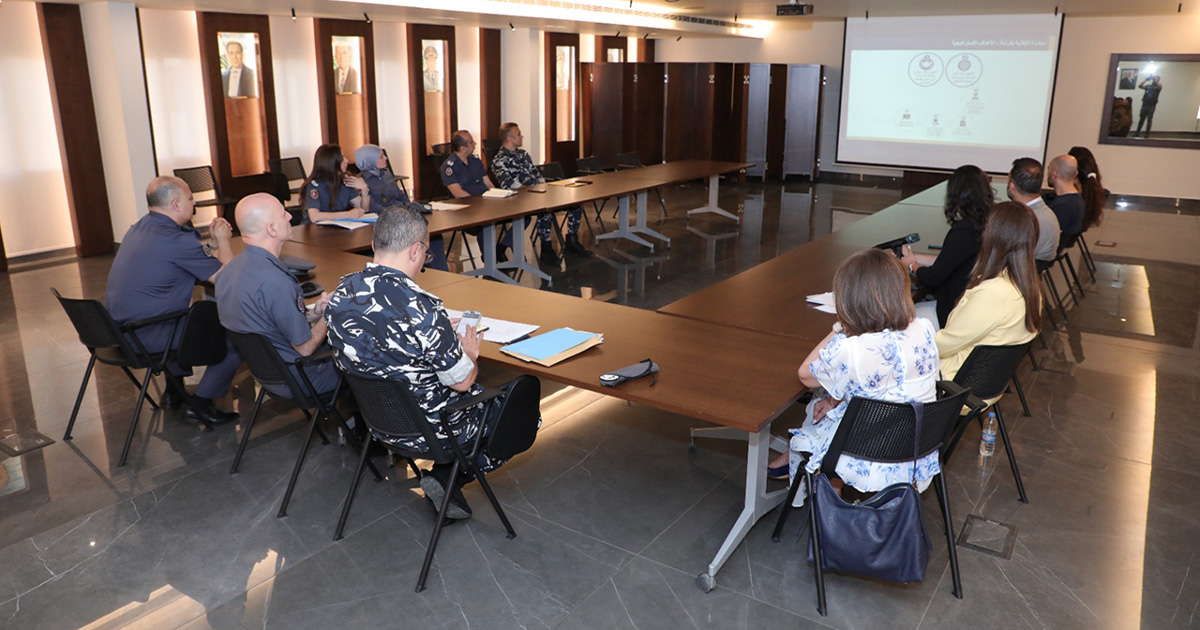
This opened the door to a broader institutional approach helmed by the Department of Nutrition and Food Science at the School of Arts and Sciences (SoAS) with the assistance and expertise of several other schools, centers, and institutes within the university. Starting in October 2025, a multidisciplinary team of LAU faculty led by Department Chairperson Rana Rizk met repeatedly with ISF leadership to study the problem and design solutions. This culminated in a high-level meeting in June 2026 to present a finalized strategic plan, “Nourishment with Dignity,” that aims to transform food provision at two penitentiary sites: the Central Prison of Roumieh (CPR) and the Worwar Rehabilitation Center.
The plan is structured around six complementary areas of focus, each addressing a distinct dimension of the needed comprehensive reform. Dr. Rizk and Dr. Fakhry lead the nutrition pillar, which aims to improve the nutritional adequacy of food provided at CPR through nutritional assessment, menu improvement, capacity building, and the development of nutrition policies. In parallel, Professor of Food Science and Technology Hussein Hassan leads the food-safety pillar, focusing on strengthening kitchen hygiene, food-safety practices, and the implementation of corrective interventions.
The human rights, social justice, and dignity pillar, led by Dr. Fakhry and Institute for Social Justice and Conflict Resolution Director Imad Salamey, seeks to strengthen ISF capacity and embed dignity-centered, rights-based approaches within food provision. The sustainability and policy reform pillar, led by Dr. Rizk, Dr. Fakhry, and Center for Policy Action Director Leila Dagher, aims to institutionalize these improvements through education, advocacy, and prison policy reform.
At the Worwar Rehabilitation Center, Chair of the Hospitality and Tourism Management Department Rania El Haddad, Dr. Rizk, Dr. Fakhry, and Dr. Hassan lead efforts to empower minors through culinary, hospitality, nutrition, and food-safety training that supports rehabilitation, skills development, and future employability. Finally, the knowledge-dissemination pillar, led principally by Dr. Rizk and Dr. Fakhry in collaboration with the wider multidisciplinary team, translates project findings into scientific publications, reports, and knowledge-transfer activities designed to inform policy, practice and academic discourse.
The “Nourishment with Dignity” plan has been welcomed with great enthusiasm by ISF officers and inmates alike and is already showing great promise. “Our students and faculty are translating classroom knowledge into meaningful community impact, reaching those who need it most,” said Dr. Rizk about the initiative. “Everytime I visit the premises,” added Dr. Fakhry, “I feel hope that our work can help these youths turn their lives around.”
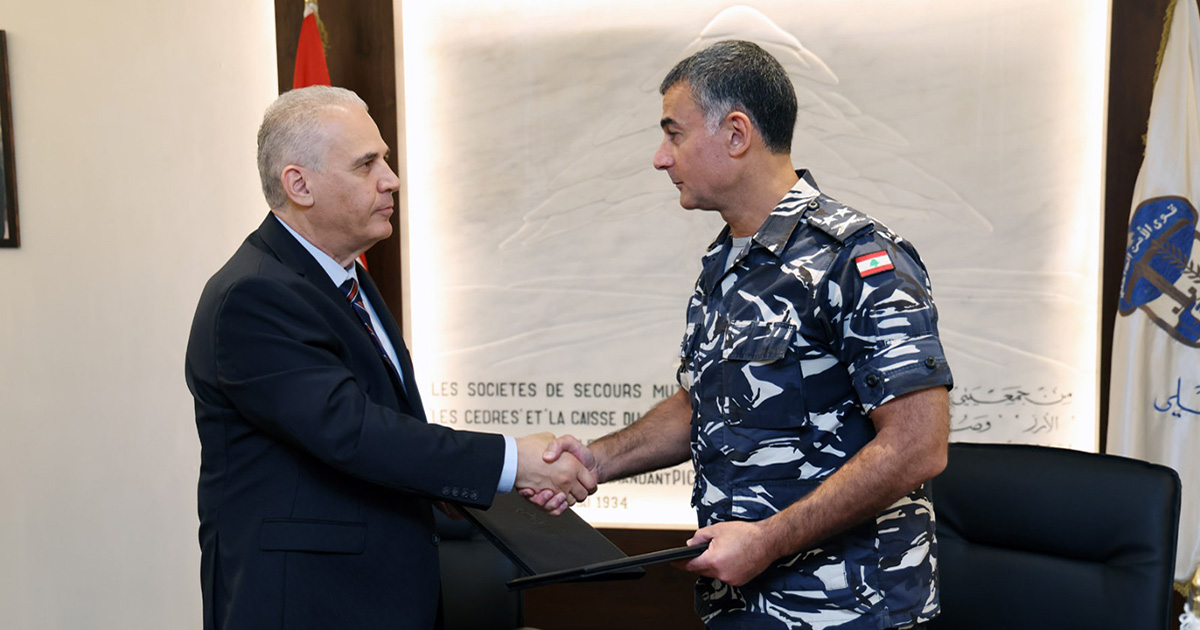
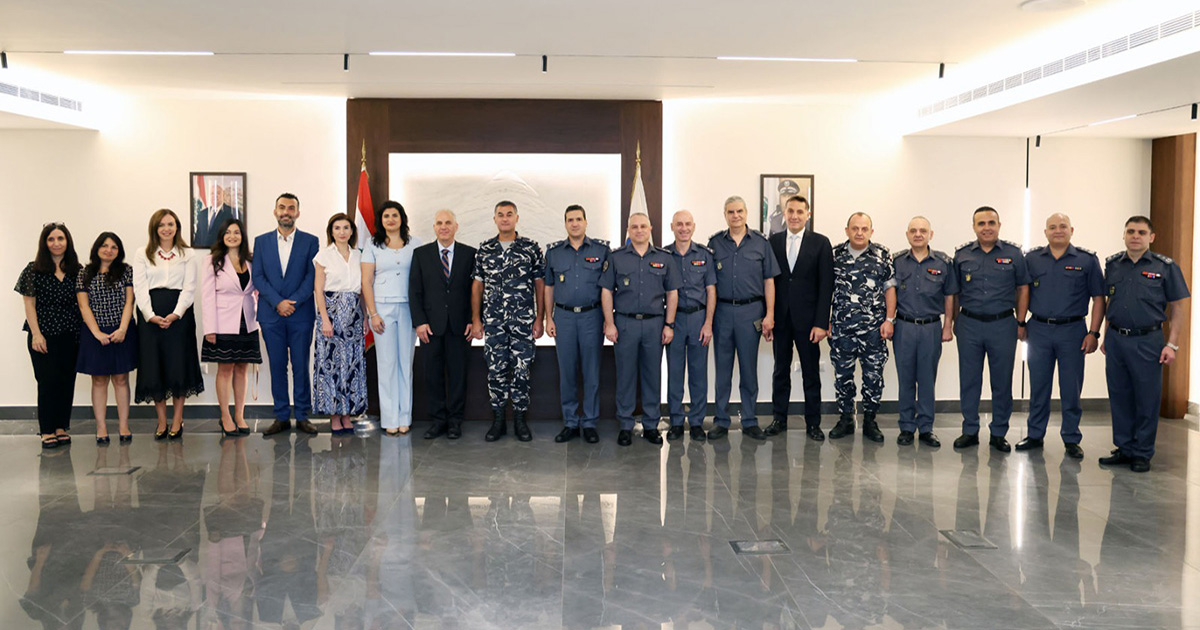
The partnership with the ISF was formalized on September 9, 2026, with the signing of a Memorandum of Understanding at ISF headquarters. Speaking on behalf of LAU during the ceremony, SoAS Dean Haidar Harmanani described the partnership as “a fulfilment of the university’s mission as a force for education and positive change.” “Nourishment and health are at the forefront of our social and humanitarian engagement,” he added, expressing the team’s commitment to the work ahead.
ISF Director General Major General Raed Abdallah echoed Dr. Harmanani’s sentiments, noting that healthy and safe nutrition is “a fundamental right essential to human dignity,” whose safeguarding is among the sworn duties of law enforcement officials, especially toward those under their care. “This is an important step in our ongoing efforts to align our institutional norms with international standards,” he said, adding “I’m grateful to LAU for its contributions toward that goal.”
More visits and interventions are planned as the initiative moves forward, with efforts focused on strengthening practices across the entire chain and ensuring that food provided to prisoners is safe, nutritionally adequate, and adapted to medical and dietary needs where necessary, while minimizing waste. Capacity-building workshops will also equip ISF officers with best practices in nutrition, food safety, and human rights, supported by a Training-of-Trainers approach to promote their sustainable integration into the prison system, turning timely interventions into long-term change.


