Rethinking AI Adoption Through Collaboration
Leaders, faculty, and staff gathered to debate how artificial intelligence should reshape teaching, leadership, and graduate readiness.
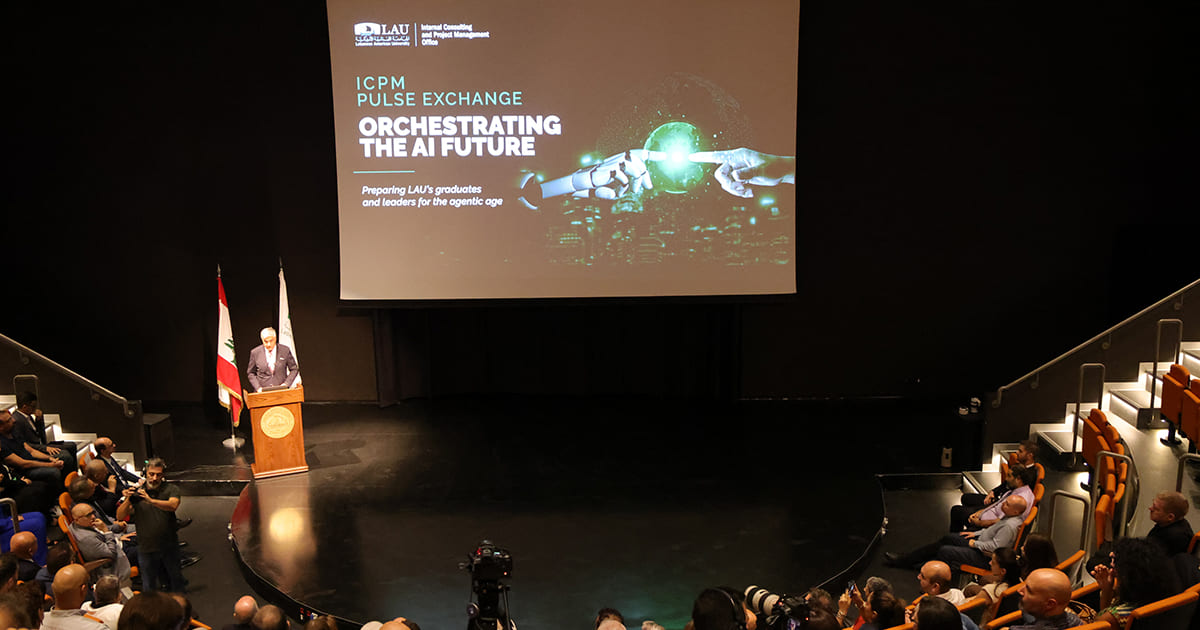
Some institutional questions are too broad for any one office, school, or discipline to answer alone. To create space for those conversations, LAU Internal Consulting and Project Management (ICPM) launched its first Pulse Exchange on September 11, 2026, at the LAU Beirut campus. The inaugural event, themed “Orchestrating the AI Future,” brought together university leaders, deans, administrators, and faculty to consider how the university can collectively approach the opportunities and challenges presented by AI.
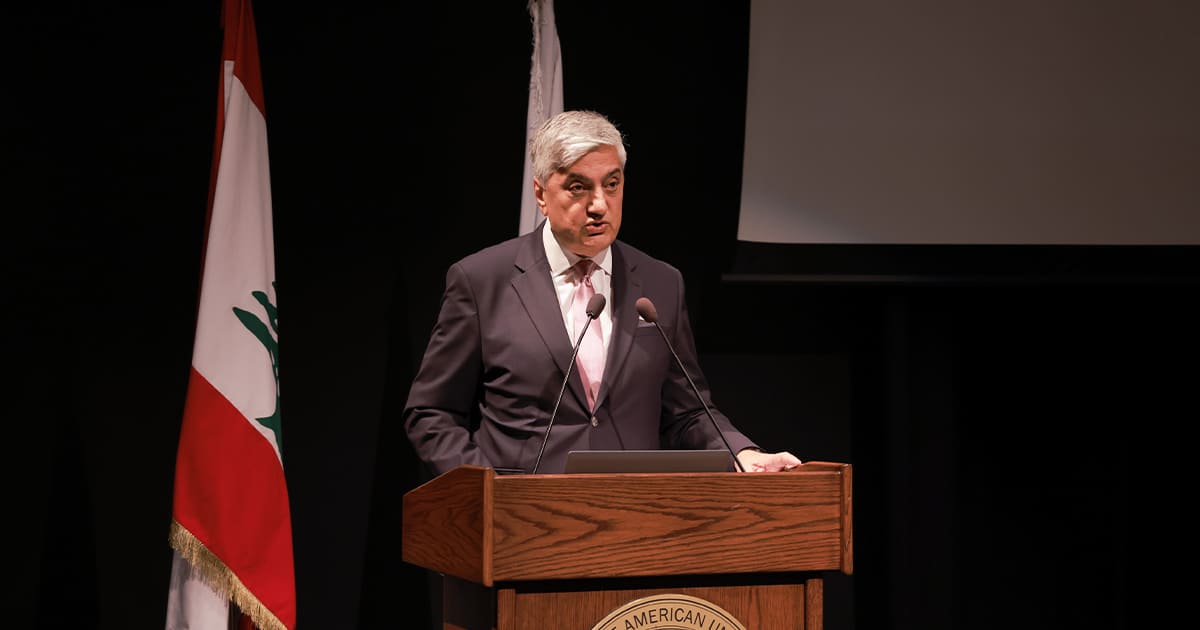
LAU President Chaouki T. Abdallah opened the session by crediting the ICPM Office for turning an idea into a working format, part of a broader push to draw on the university’s own expertise before looking outside it.
“Our challenge at LAU is not simply to adopt AI, nor is it to resist it. It’s to orchestrate it,” Dr. Abdallah said, arguing that as intelligent systems absorb more routine work, universities must shift from training students to complete tasks toward forming the judgment that tells “a good answer from a vaguely flawed one.”
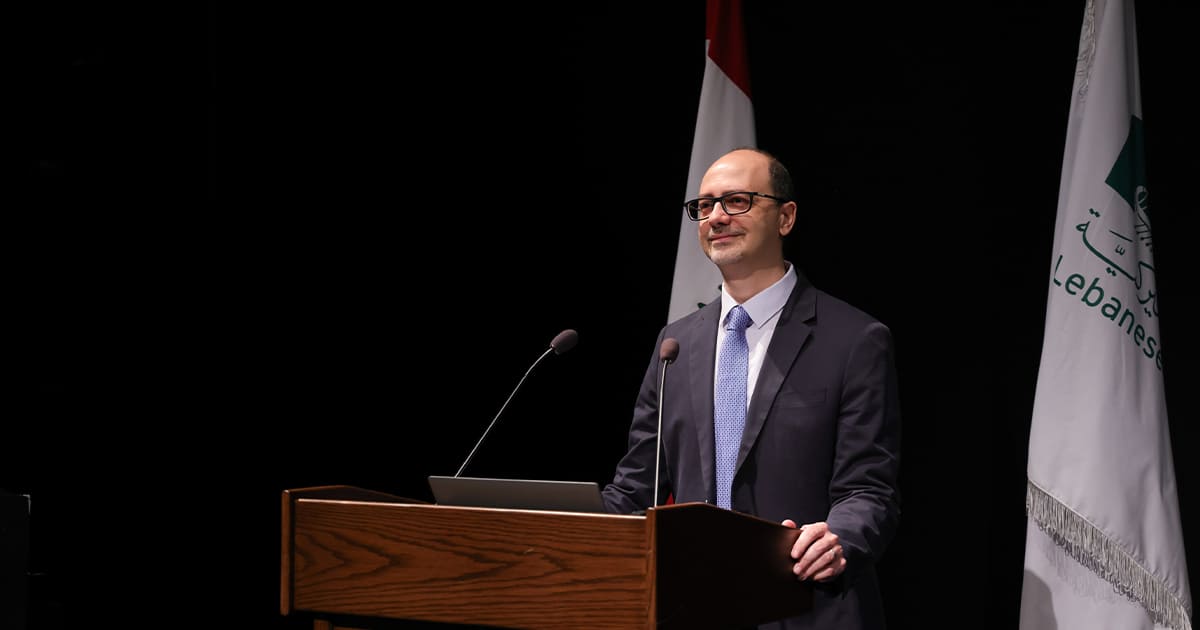
Director of the ICPM Zahy Ramadan explained that the Pulse Exchange grew out of a simple conviction that some questions are too consequential to remain confined to one office or meeting. “They require us to pause, hear different perspectives in the same room, and sharpen our collective understanding before we move toward answers.”
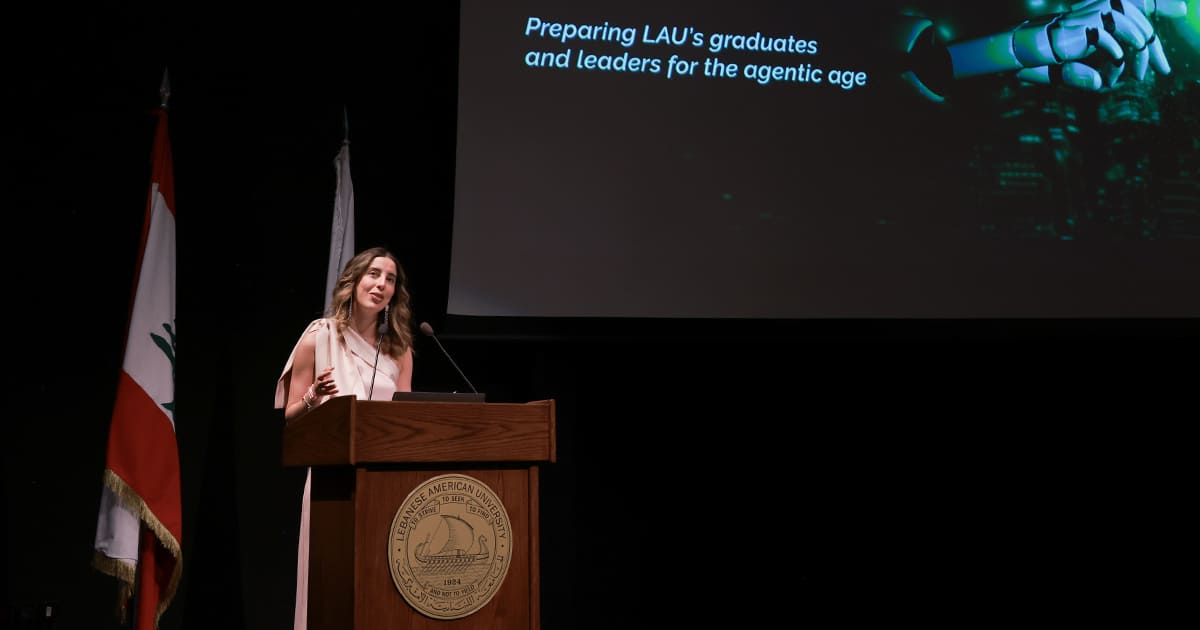
Four lightning talks put that format to the test. AI Security Policy Expert at Cisco Tiffany Saade opened by examining what happens when the first rung of the professional ladder disappears, as AI reshapes the workplace and entry-level roles become increasingly automated. “An organization today can become more efficient every quarter, while becoming less capable every decade,” she said, warning that “if you hollow out the bottom of the pyramid, eventually you have to ask who will occupy the top.”
Saade argued that AI’s greatest risk to graduates is not job loss but a shortcut around the struggle that builds real skill, telling attendees that “a university’s most important product is human capability” and that employers cannot keep automating entry-level work while still expecting graduates to arrive with years of judgment already formed.
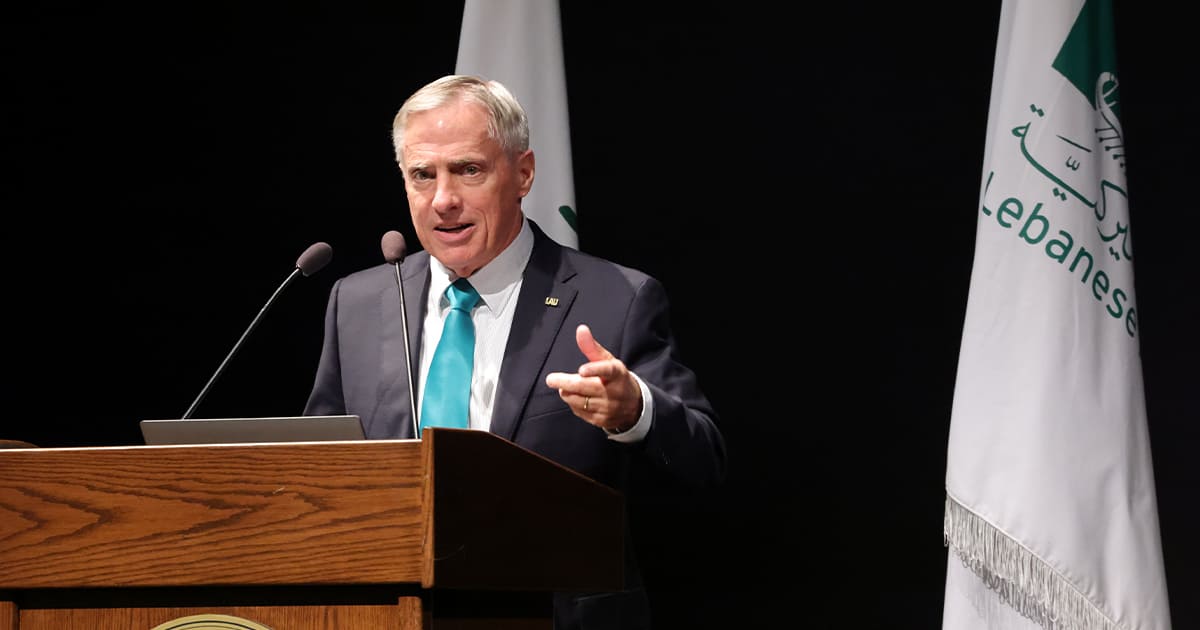
Where Saade focused on the workplace, Provost and Executive Vice President for Academic Affairs Gregory Heileman turned to the classroom. “The genie is out of the bottle,” he said, arguing that punishing students for using AI is “a waste of time” when the better response is to redesign assignments around it. He said LAU must build foundational AI literacy into every discipline, “so that [faculty] are prepared to critically evaluate, ethically govern, and apply AI within their own specific disciplines,” and cautioned against opaque “black box” systems in favor of open-source tools that the university can audit.
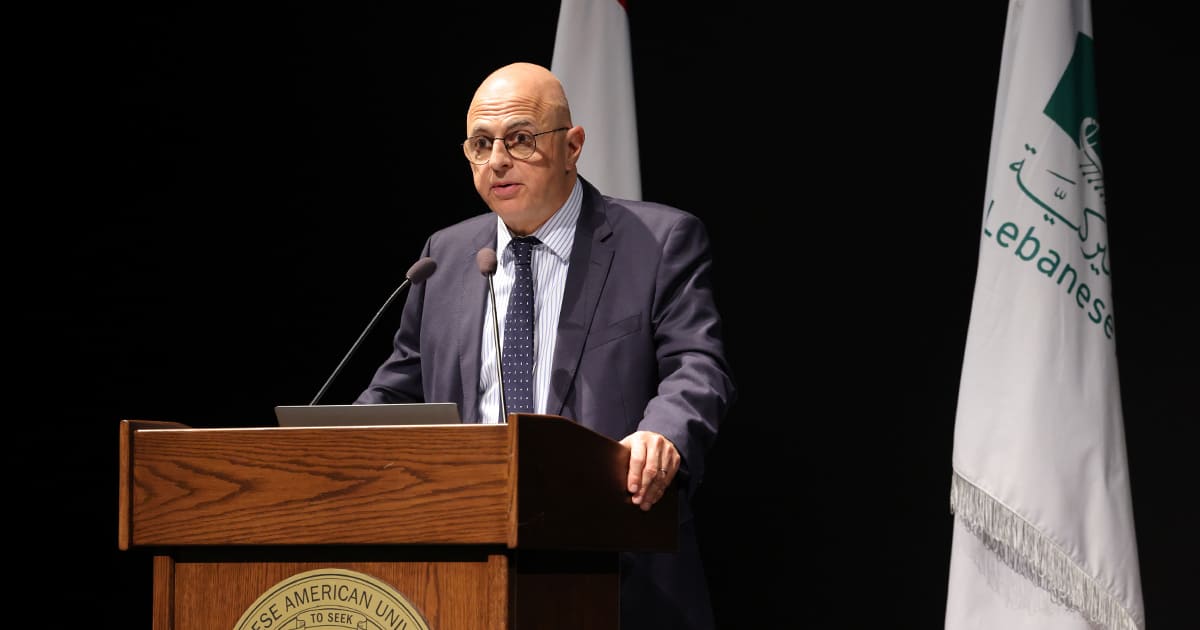
Vice President for Administration Roy Majdalani brought the conversation back to operations, noting that while most universities now use AI daily, few have designed how people and systems should work together. He called for leaders to “orchestrate intelligence, not just manage people,” identifying data literacy, judgment, governance, workflow redesign, and human skills such as emotional intelligence as priorities.
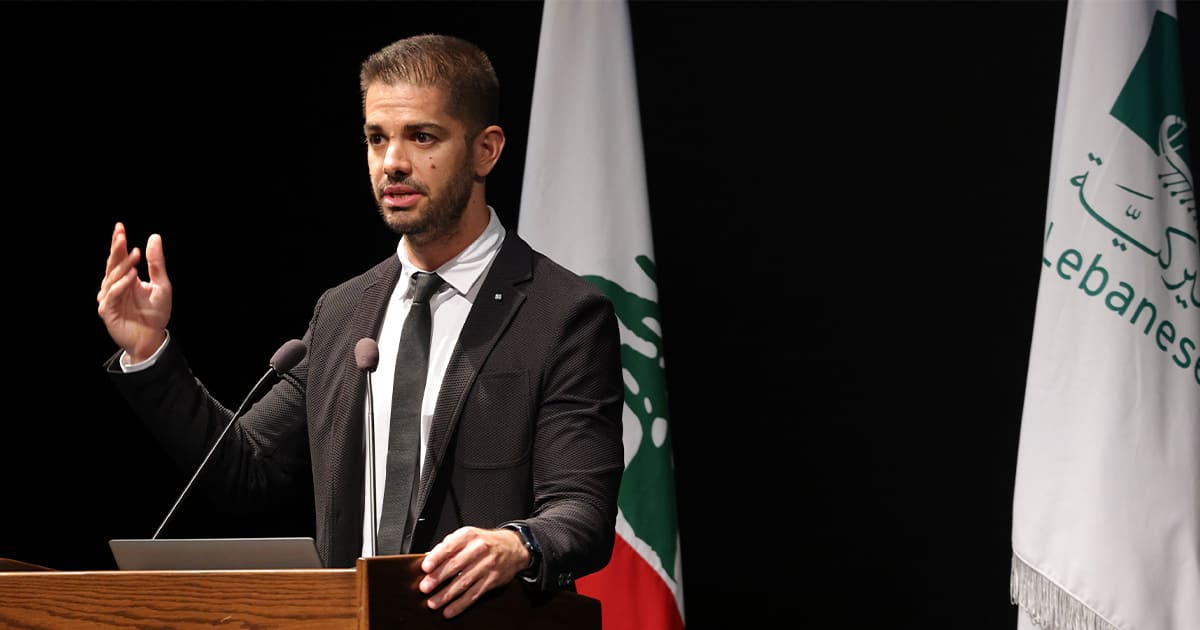
The final talk by LAU Engine Director Evan Fakhoury turned from managing AI to building with it, noting that the barrier between having an idea and launching a company has effectively disappeared. “That gap between thinking about something and building something is gone with the help of AI,” he said, pointing to LAU-linked founders who used AI tools to build branding, dashboards, and platforms without hiring outside teams. He said the university’s task is to give students that same advantage.
“We need to give the students the tools to validate the idea, do the deep research, build the prototype, talk to the people, build the company, test it, get the first customer, all with the help of AI,” said Dr. Fakhoury. “That’s what we’re here for.”
Rather than a Q&A, the event closed with open-floor reflections from deans, faculty, and administrators, after which Dr. Ramadan posed a set of open questions for the LAU community to carry forward. ICPM will build on those perspectives and reflections, sharing a synthesis with participants and using the insights to inform future exchanges and continued dialogue around questions of strategic importance to LAU.


