Breast Cancer From a 360° Angle
LAU’s multidisciplinary symposium on global innovations transforming breast cancer screening, therapy and reconstructive care aimed to encourage screening and prevention.
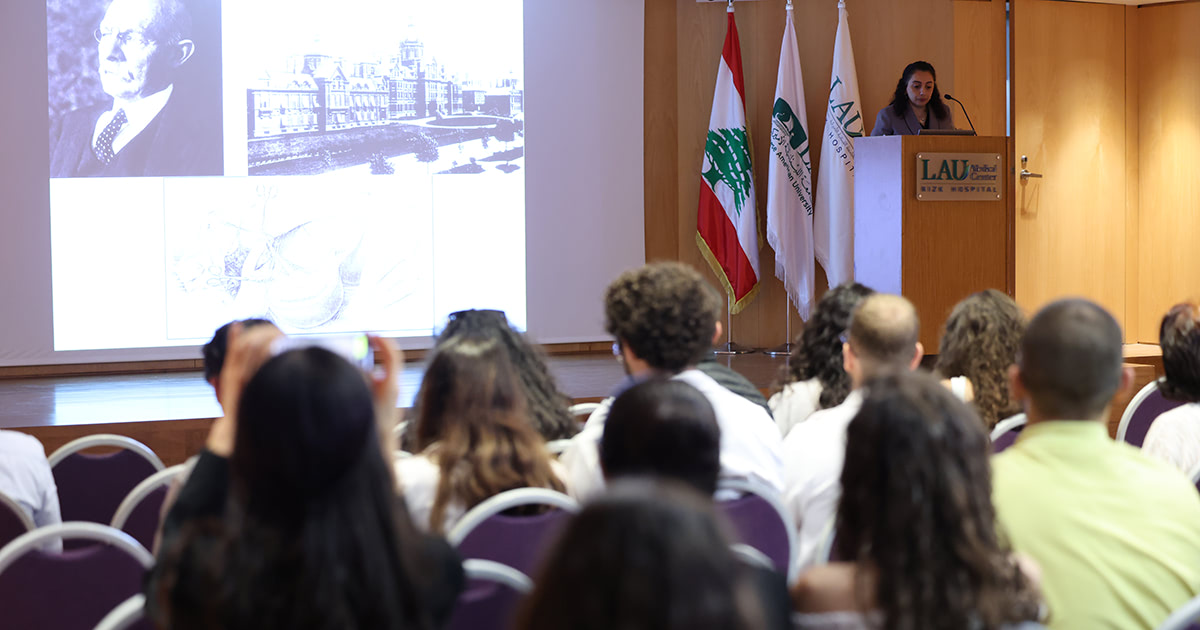
Cancer is a major contributor to global disease burden, affecting mostly low-income and lower-middle-income countries as their populations age. In Lebanon, cancer mortality has increased by about 80 percent since 1990, according to the Lancet Global Burden of Disease Report, the highest relative increase in cancer mortality of 20 countries between 1990 and 2023.
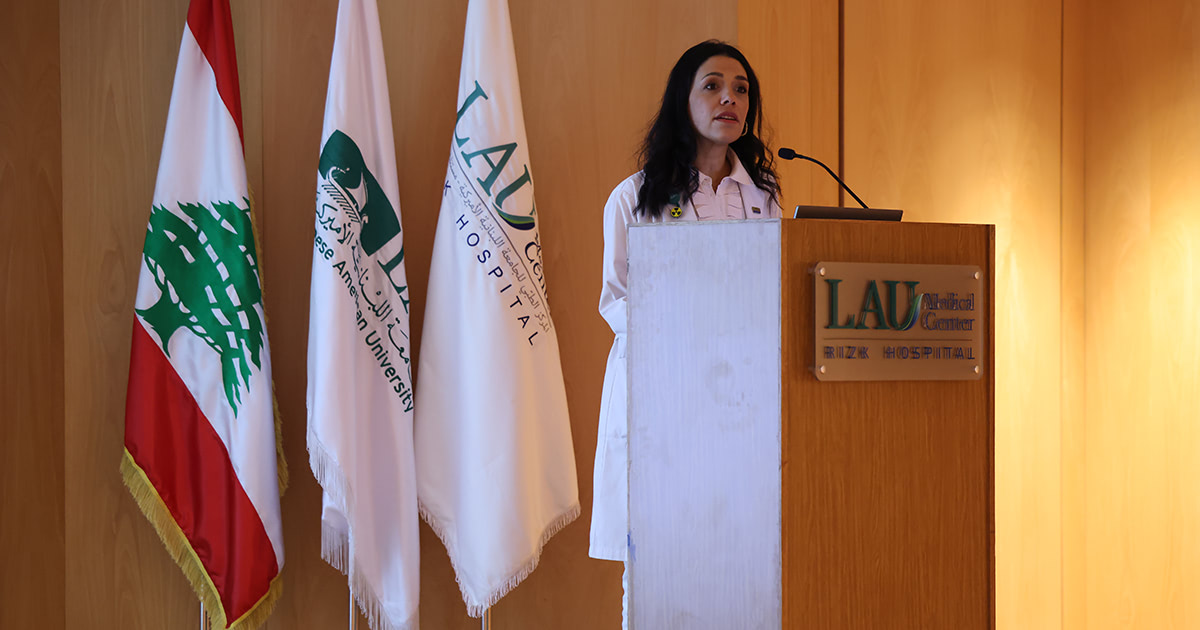
The most recent National Cancer Registry dates back to 2016. In the absence of recent data, “international bodies rely on models to estimate cancer burden, which carry wide uncertainty,” explained Chief of Breast Imaging section and Assistant Professor at the Gilbert and Rose-Marie Chagoury School of Medicine Tamina Elias-Rizk. Although these figures could be partially explained by the lack of current statistics in the country, they could be the result of other factors, such as the financial crisis, which limited access to care and medication.
Early detection through regular screening and advanced diagnostic methods can save lives. For this reason, said Dr. Rizk, LAU and the Gilbert and Rose-Marie Chagoury School of Medicine organize an annual conference on breast cancer.
This year, Breast Cancer 360°: A Multidisciplinary Symposium, held in collaboration with Melhem Scientific at the LAU Medical Center–Rizk Hospital on October 13, 2025, and led by Dr. Rizk, covered the full spectrum of medical innovations in breast cancer, from diagnostic techniques and treatment to breast reconstruction and recovery.
Featuring international and national specialists from LAU’s school of medicine, the American University of Beirut (AUB), Harvard Medical School, and Johns Hopkins University, the symposium was attended by medical students, residents, physicians, faculty and staff from LAU and other universities, as well as healthcare professionals.
Continuing Medical Education (CME) and Continuing Professional Development (CPD) credits were granted by LAU’s CME Office to medical professionals who attended.
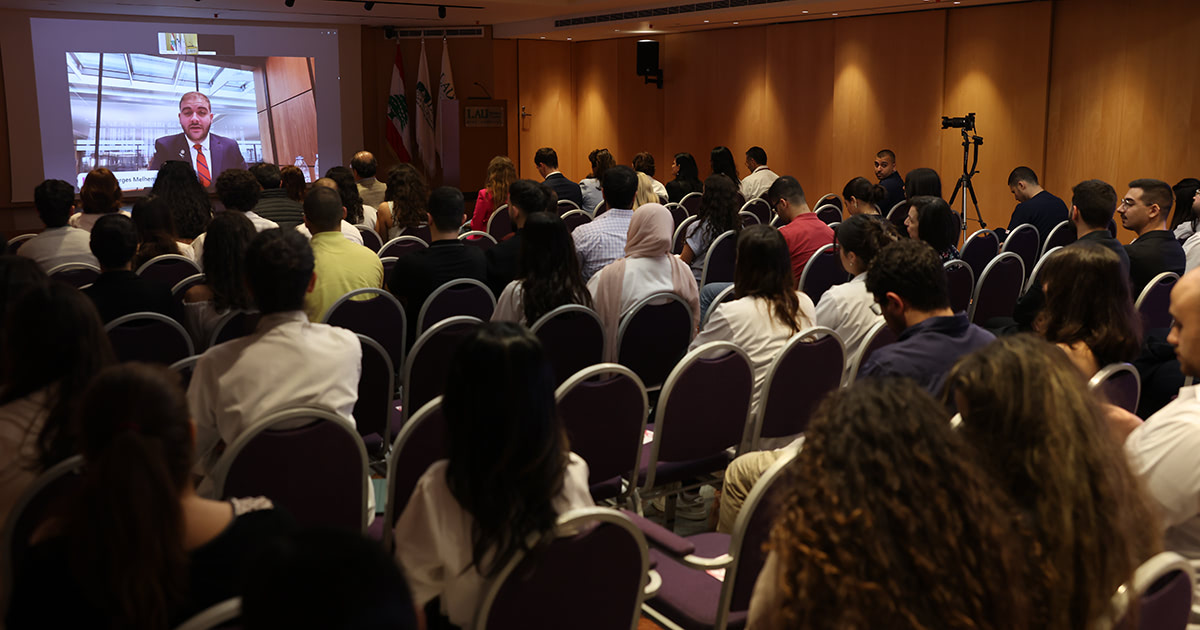
At the opening of the event, President and Chairman of Melhem Scientific Nehme Melhem, who joined virtually, announced a donation of 60 mammography tests and 20 echographies to support breast cancer patients at the LAU Medical Center–Rizk Hospital. “Together we are demonstrating what real collaboration looks like when academia, medicine and research unite,” he said, and how it can go beyond theory, to create tangible, measurable impact for the communities.
He also revealed the launch of a new series of AI-driven healthcare projects developed at Johns Hopkins, the first of which will be introduced at LAU, where innovation, he said, blends with compassion.
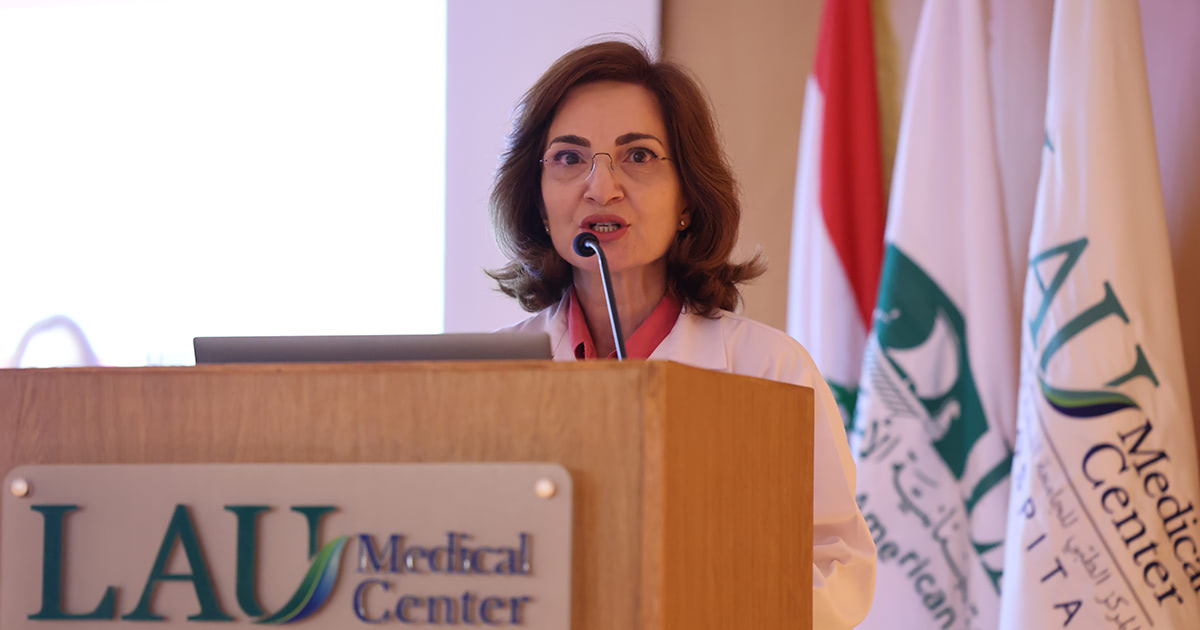
With a primary concern on improving screening, Dr. Rizk called for personalized breast cancer screening, improving access to mammography, and focusing on individuals with a higher risk for targeted screening. Global evidence, she pointed out, shows that regular mammography starting at age 40 reduces deaths by about one-third and saves the most life years in women in their 40s, and that screening should continue beyond age 75, adapted to each woman’s health and preferences. Advances such as 3D mammography, contrast-enhanced imaging, MRI for high-risk cases, and emerging AI tools are improving early detection, while molecular biomarkers promise better diagnosis and prognosis.
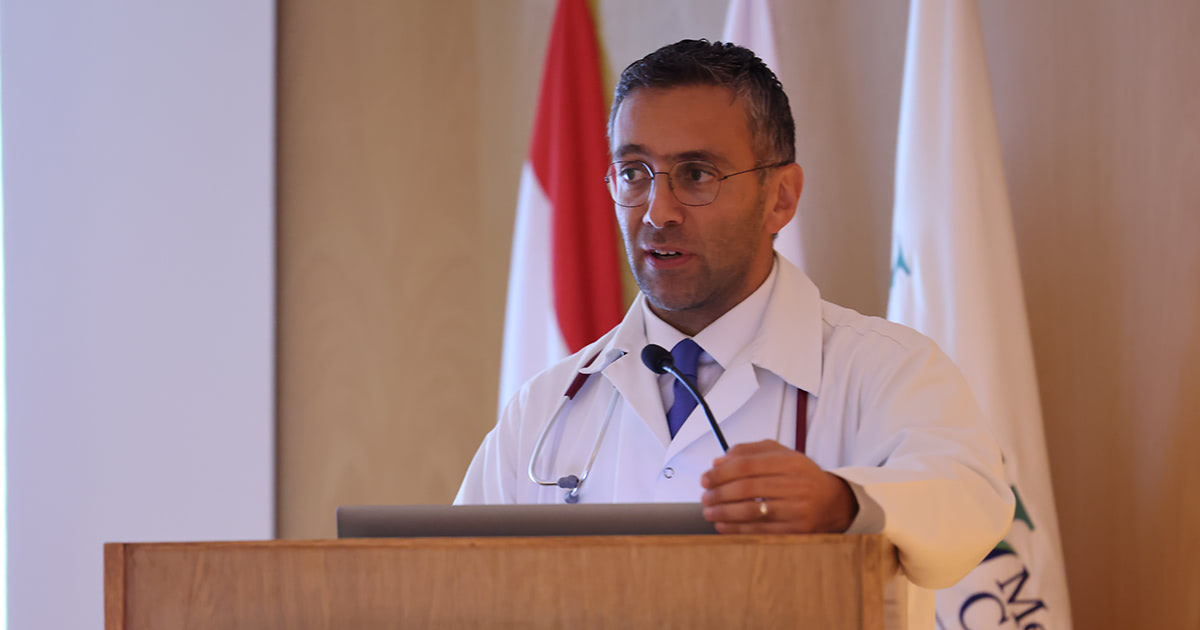
In an encouraging presentation, Clinical Associate Professor at LAU’s school of medicine Hadi Ghanem focused on metastatic breast cancer patients, “because it is an area that has been really flourishing with new data, and things are getting better for our patients, which is extraordinary at this stage,” he said.
Major progress has been made through targeted therapies, especially antibody-drug conjugates (cancer treatment that combines targeted therapy and chemotherapy), proving that “translational medicine can lead to innovation,” added Dr. Ghanem. He highlighted key studies supporting new drug combinations and the potential for chemotherapy-free options, among which immunotherapy for triple-negative breast cancer, and the rapid shift toward more personalized and less toxic treatments.
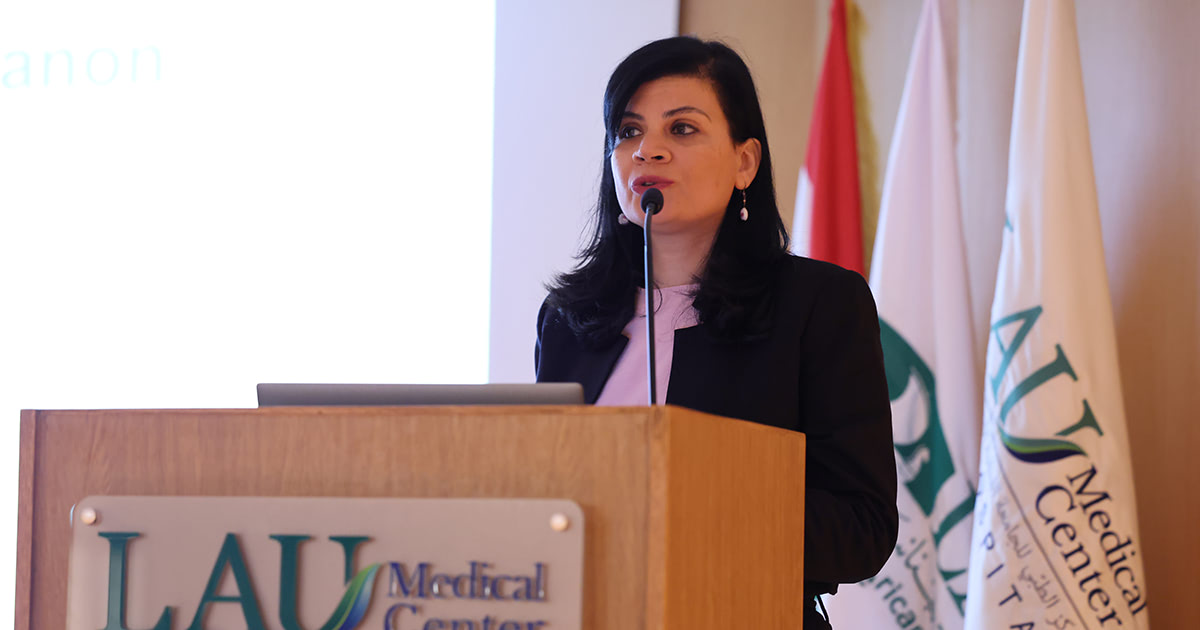
Drawing on data from her ongoing study on the rise of breast cancer incidences among women post the 2019 crisis, Associate Professor Aniella Abi Gerges identified a gap between access to and use of screening. Some women chose not to be screened, the study found, mainly because of an inadequate attitude toward the general health check-ups, an insufficient knowledge about breast cancer screening, and other factors such as cost, forgetfulness, and fear.
Although “crises were demonstrated to be major disruptors, particularly in rural areas,” the good news, noted Dr. Abi Gerges, is that improved awareness, communication, affordability, and reminder systems can help restore screening participation and close widening inequities.
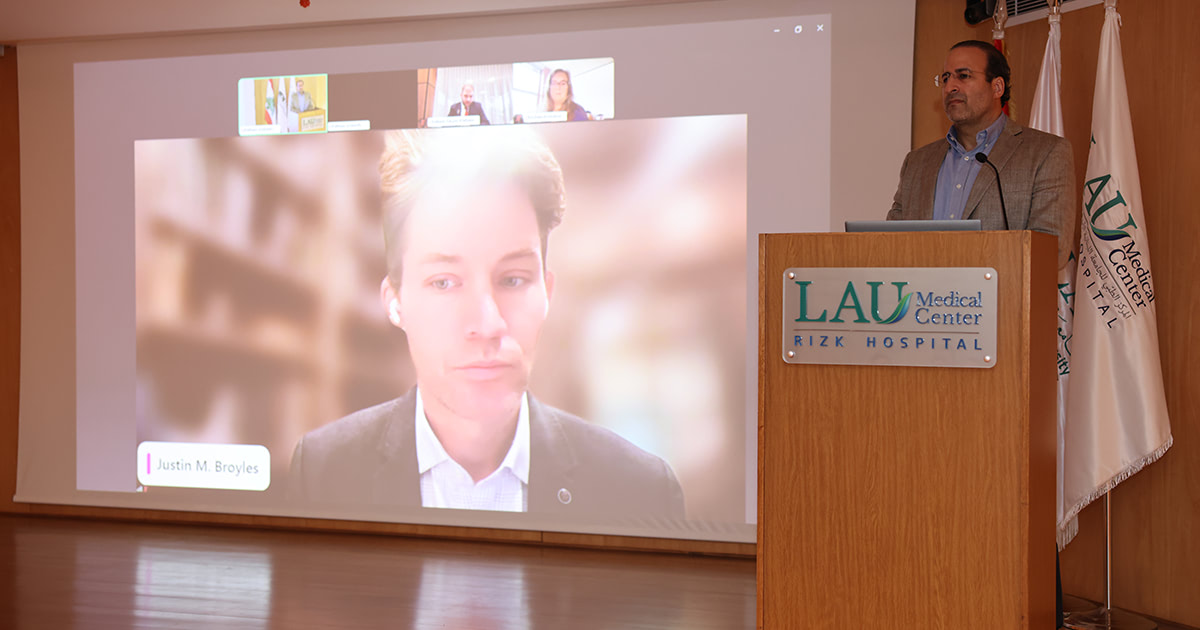
Dr. Justin Broyles, an assistant professor of surgery at Brigham and Women’s Hospital Harvard Medical School, US, discussed new trends in breast reconstruction, particularly the shift to placing implants above the chest muscle (pre-pectoral) instead of below it (sub-pectoral), which is significantly more expensive and offers no long-term advantage in patient satisfaction or health outcomes compared to traditional techniques. He emphasized the need to assess cost-effectiveness and clinical benefit before adopting new surgical technologies, and the importance of multidisciplinary collaboration for best treatment outcomes.
However, with advances in breast cancer surgery, full mastectomies can in some cases be avoided. Dr. Eman Sbeity, an assistant professor of surgery at the American University of Beirut Medical Center, noted that surgical practice has shifted toward minimally invasive, personalized, and cosmetically considerate approaches without compromising survival or disease control. Improved imaging and precise tumor localization techniques have made partial mastectomies safe and effective in most eligible patients. Furthermore, oncologic outcomes of breast-conserving surgery followed by radiation therapy were equivalent to those of a mastectomy for early invasive cancers.
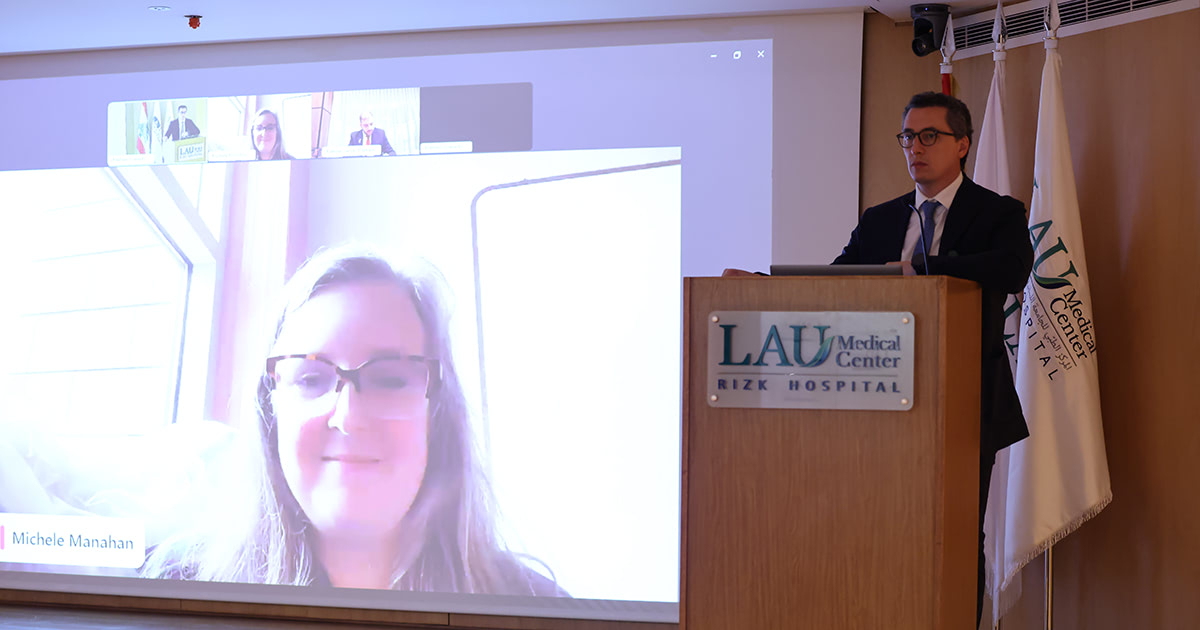
Other advances in surgery, addressed by Dr. Michele Manahan, professor of Plastic and Reconstructive Surgery at Johns Hopkins University School of Medicine, involved timing, new techniques, implant management, and lymphatic care. Delayed reconstruction—placing implants months after a mastectomy—, she said, can reduce complications and improve patient comfort compared to immediate reconstruction with tissue expanders. Innovations like nerve repair during reconstruction also help restore breast sensation with minimal extra surgery time or cost.
Q&As after each presentation were moderated by Dr. Christina Khater, assistant professor in the Division of Hematology-Oncology, Dr. Eddie Abdalla, assistant dean for Strategy and Development and chair of the Department of Surgery, and Dr. Karl Jallad, chief medical officer of LAU Health System and chair of the Department of Obstetrics and Gynecology.
“Breast cancer screening is a decision point with lifelong consequences,” concluded Dr. Rizk. “Ensuring that women are informed, supported, and empowered to participate in their screening should be a shared goal across the healthcare system.”


