LAU Alumnus Helms Seminar on Entrepreneurship and Sustainability
CEO Mazen Rizk (BS ‘07; MS ’09) returned to his alma mater to share his story and pioneering work on mushroom roots, which he believes hold great promise as a miracle food for a greener future.
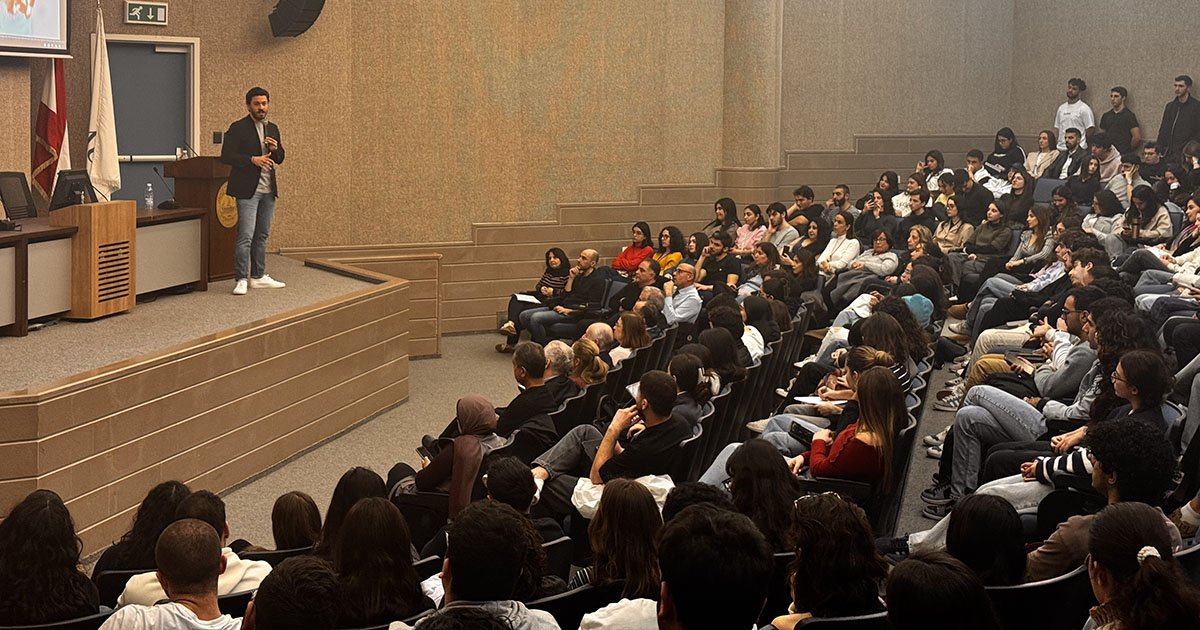
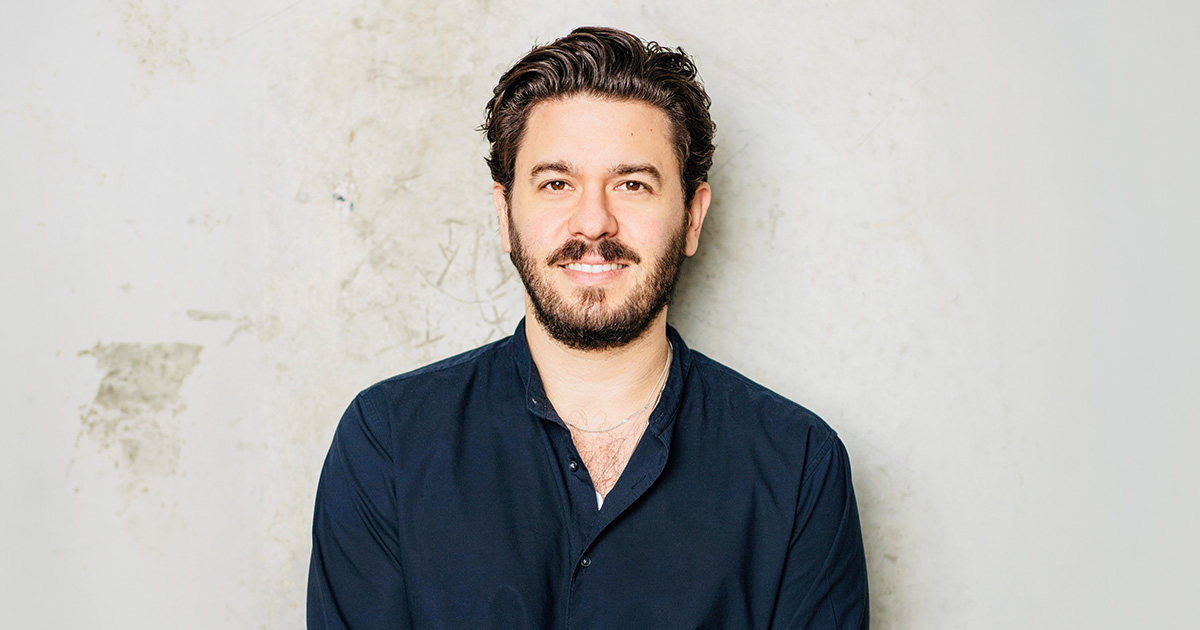
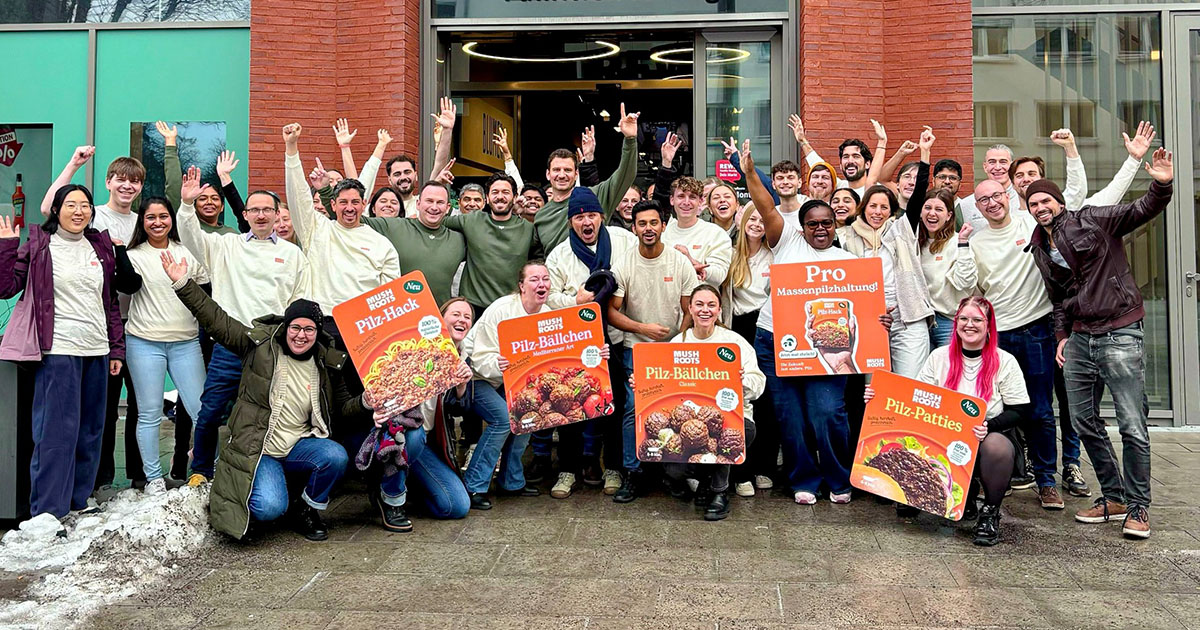
On February 2, 2026, the Department of Biological Sciences at the School of Arts and Sciences held a special seminar as part of its alumni series featuring alumnus Mazen Rizk (BS ‘07; MS ’09), founder and CEO of Infinite Roots, Germany, at the Byblos campus. The event drew a crowd of students, faculty and other biotech enthusiasts.
Visiting his hometown and alma mater to give a talk about his career, from obtaining a bachelor’s in biology and a master’s in molecular biology from LAU to leading an international food venture, was the perfect opportunity for Dr. Rizk to give back to his roots and help nurture the new generation.
His journey was far from straightforward and riddled with pitfalls. He was, by his own admission, an unremarkable undergraduate who “lacked enthusiasm for lab work” and whose father, himself a doctor, actively discouraged him from pursuing a career in medicine.
He explained how LAU’s multidisciplinary approach to learning “opened new horizons” and inspired him to find answers in unexpected places. In particular, he recalled a zoology class with the late Dr. George Baroody, who founded the biology program at the school, that fueled his curiosity and had a lasting impact on his interest in the life sciences.
This led him down the path of innovation, eventually sparking an interest in how biotech can address the challenges facing the world today. One such pressing issue is juggling food security with the need to reduce the environmental impact of the agricultural sector, which accounts for up to a third of global carbon emissions.
For Dr. Rizk, the solution was right under our feet the whole time: “Humans have been consuming mushrooms for thousands of years,” yet their roots, which represent the great majority of a fungus’ mass, remain untapped as a food source, he noted. He saw great potential in the resilience, adaptability and efficiency of fungi, and resolved to take a gamble on mycelium as a replacement for less eco-friendly agricultural products, especially meat.
His PhD in Synthetic Biotechnology at the Technical University of Hamburg and his groundbreaking research on biofuels laid the foundation for a remarkable career in sustainable food innovation. With years of experience developing sugar and salt-reduction products, prebiotics and antibiotic alternatives under his belt, he went on to found his pet project and brainchild, Infinite Roots, in 2018.
Dr. Rizk recounted how his company started out with just “himself, a desk and a dream.” It took him many years of “ups and downs,” of trial and error, of constant failures and rejections to finally make that dream come true. Today, Infinite Roots employs nearly 60 people from over 20 countries and has secured a $58 million Series B funding round, the largest single investment in mycelium technology in Europe to date.
This spectacular success did not come overnight, and throughout his talk Dr. Rizk emphasized the sacrifices and the entrepreneurial mindset that allowed him to stay the course.
He shared personal anecdotes with a captive audience of hopeful young students, showing them that with enough determination and passion, they too can carve out a future for themselves. “I was once unmotivated and lazy,” he quipped, “but today, if you put me in a cage with a lion, you better pray for the lion.” The key, according to him, is to find something you’re passionate about, come up with a vision, and fight tooth-and-nail to realize it.
Dr. Rizk and his team spent years developing an innovative, resource-efficient fermentation process that uses space-saving tanks to grow a wide variety of mycelium species and produce one of the world’s most versatile foods. His products can now be found in grocery stores across Europe, and he expressed the hope that eventually his technology will lead the way in localizing food production worldwide, “helping to build resilience in the global supply chain and contributing to the fight against climate change.”
After his talk, Dr. Rizk took time to encourage his young audience to think outside the box and explore scientific disciplines that might yet be in their infancy as others become obsolete. He hoped that his visit had contributed to the university’s growing efforts to prepare students for the job market and give them the tools they would need to make a difference in the world.


