LAU Brings Science, Policy, and Community Together for Lebanon’s Celiac Awareness
In collaboration with the Celiac Association–Lebanon, LAU launched an awareness initiative at the national level to empower patients, educate the public, and drive policy conversations around gluten-free nutrition.
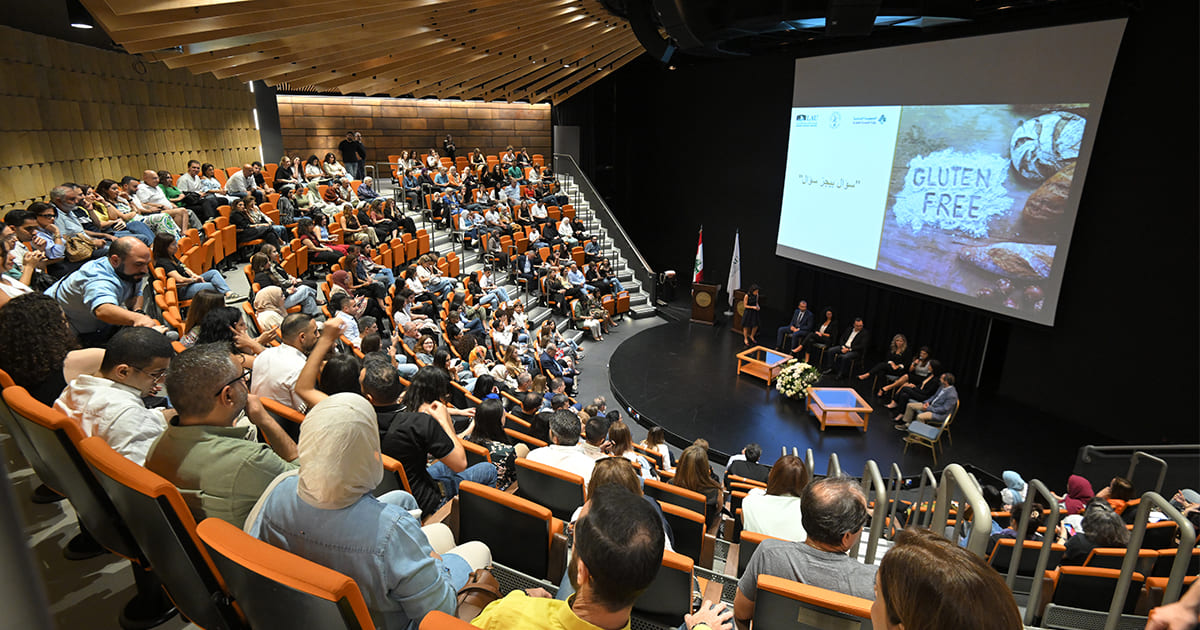
Though often misunderstood, celiac disease can quietly undermine health for years before being recognized. Triggered by gluten ingestion, this autoimmune disorder damages the small intestine and affects people of all ages, often without clear symptoms.
To raise nationwide awareness of celiac disease and mark the official launch of the Celiac Association- Lebanon, the LAU Department of Nutrition and Food Science at the School of Arts and Sciences (SoAS) inaugurated the association’s activities at the Beirut campus on October 27, 2025, bringing together medical experts, government representatives, academics, and families.
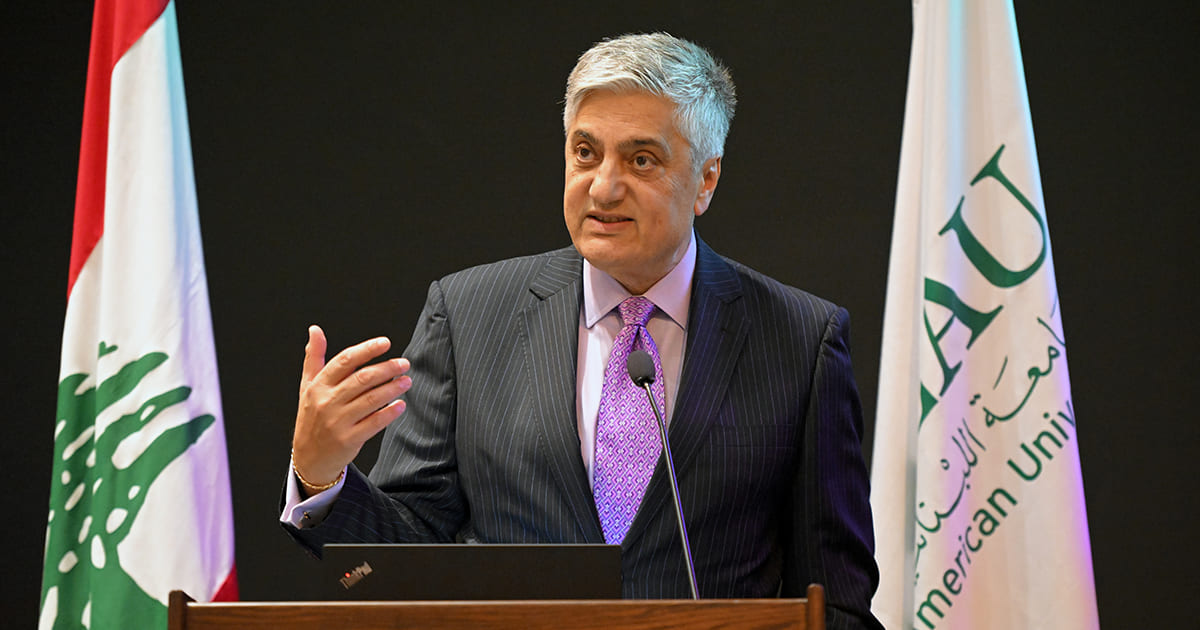
LAU President Chaouki T. Abdallah opened the event with a message that bridged science, ethics, and social responsibility.
“At LAU,” said Dr. Abdallah, “our responsibility goes beyond education. We translate knowledge into action for the public good.” He underscored that nutrition is not simply a personal matter but one intertwined with health policy and public welfare. “The solutions we propose are not political,” he added. “They are scientific, rooted in the belief that through knowledge and integrity, we can restore citizens’ trust in institutions and in the food they eat.”
Research in nutrition and public health, he remarked, must translate into real-world change. “Food is more than a personal choice when illness is involved. It becomes a social and ethical responsibility,” he said.
The event, moderated by Assistant Professor of Nutrition Jana Jabbour, segued from academic reflection to lived experience. Assistant Professor and Chair of the Department of Nutrition and Food Science Rana Rizk spoke about how research can directly touch human lives.
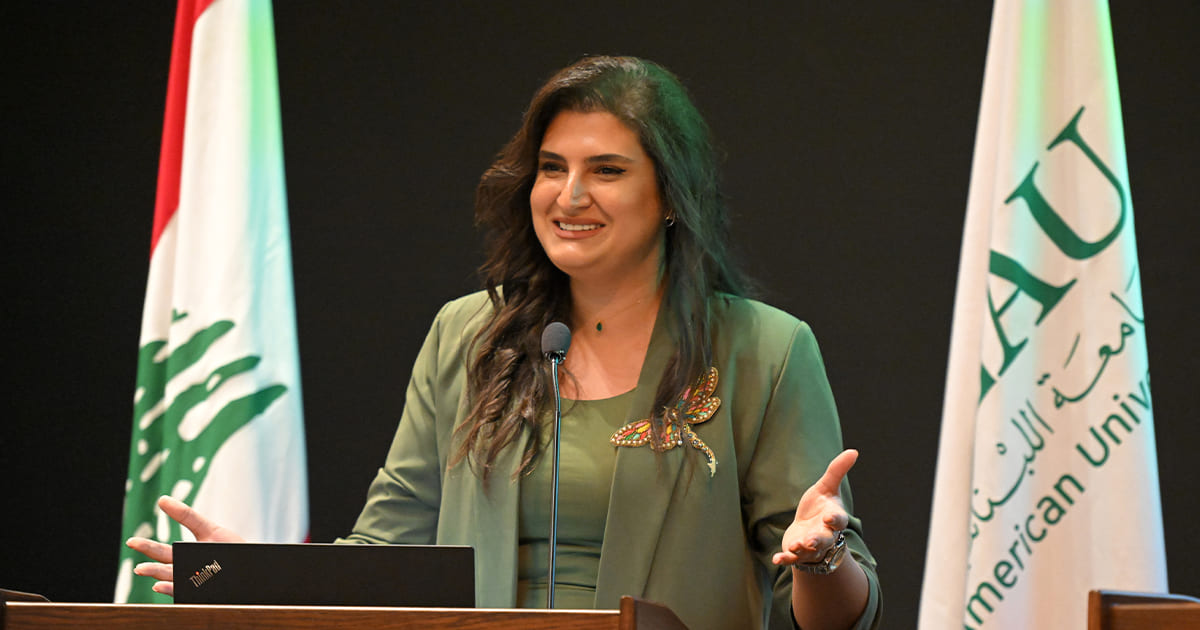
“Science serves humanity when it brings not only knowledge but hope—especially in the face of illness,” said Dr. Rizk, commending the Celiac Association for its persistence and collaboration in building awareness.
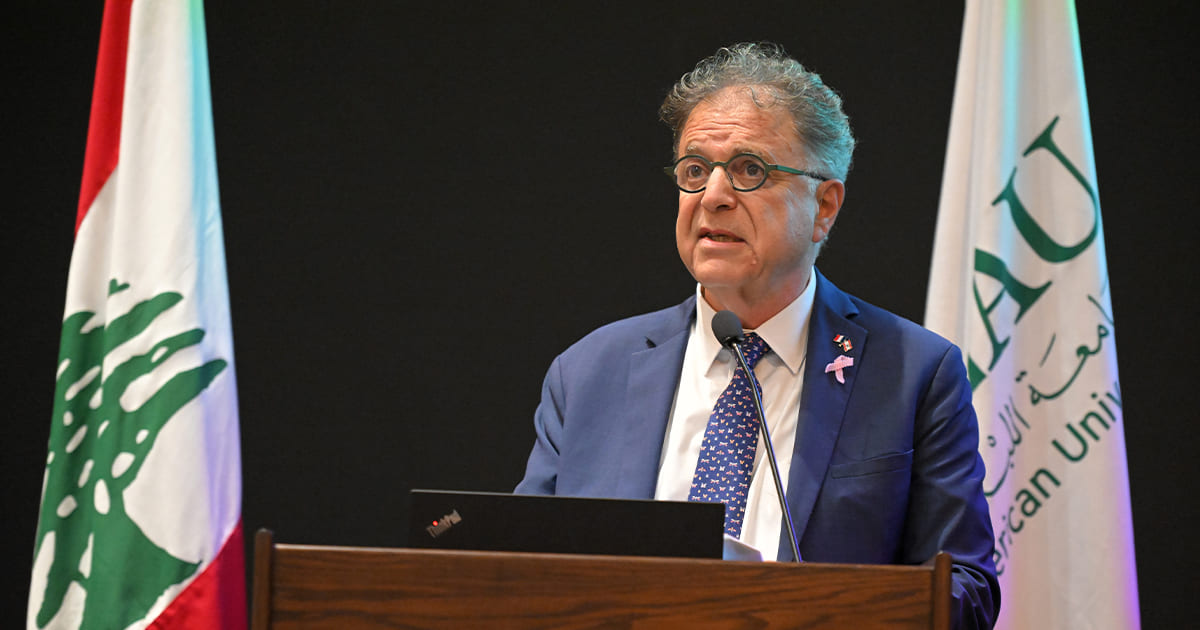
Representing the Minister of Public Health at the event, Advisor to the Minister of Public Health of Lebanon Pierre Anhoury drew attention to the hidden scope of celiac disease in Lebanon. For every person diagnosed, he explained, many more remain unaware of their condition.
“One in every hundred people is affected,” noted Dr. Anhoury, “yet symptoms appear in only one in three thousand.” The country’s actual number of patients, he added, is likely much higher than the roughly 1,500 officially recorded cases.
As he shifted from figures to action, Dr. Anhoury acknowledged the challenges facing the Ministry of Health amid political and economic turmoil but reaffirmed its commitment to public health. “We are considering a national awareness campaign through 300 primary healthcare centers,” he revealed. “These centers are on the front lines, helping families recognize symptoms early and sparing them the long process of moving from one doctor to another.”
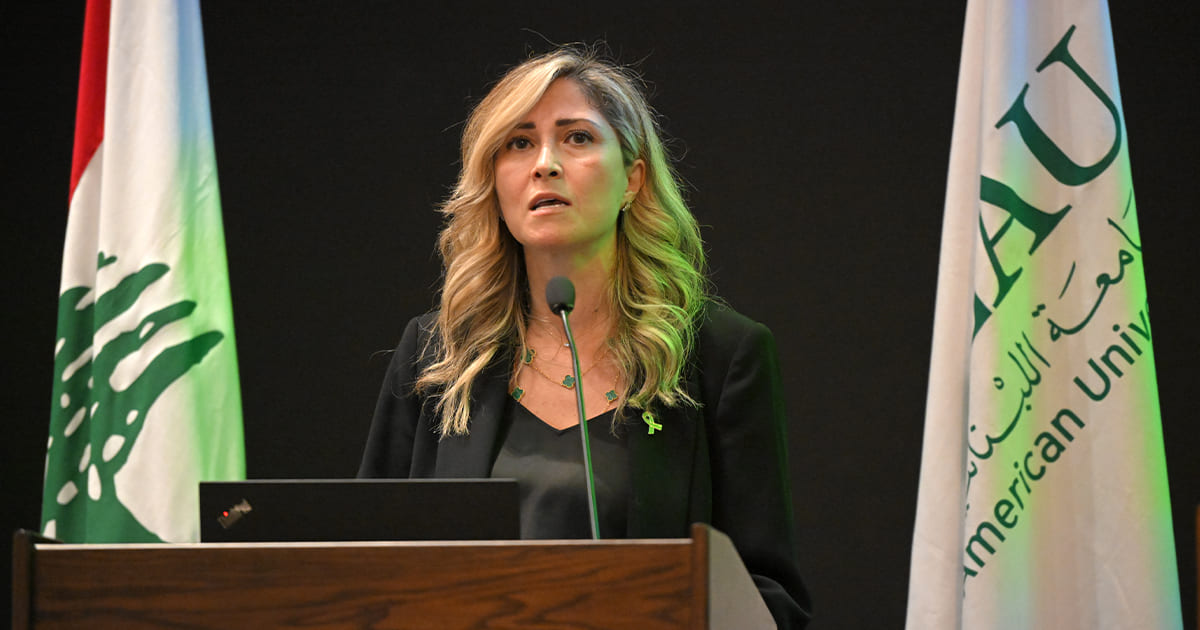
Beyond the science and statistics, Nisrine Wakim Sawaya, founder and president of the Celiac Association–Lebanon, shared her personal struggle and driving force behind a national movement. “Our story started with small posts on social media,” she said. “It became a movement of volunteers, specialists, and partners working to make life easier for every person with celiac disease.”
What began as an effort to help her own family navigate gluten-free living has grown into a national network of advocacy, education, and collaboration. From training restaurant owners to consulting with food manufacturers, the association works to ensure that gluten-free options are both safe and accessible. “We learned that awareness changes everything,” Sawaya reflected. “When people understand, compassion follows.
The event then opened up to interactive panel discussions that invited lively exchange and audience participation.
LAU Professor of Food Science and Technology Hussein F. Hassan and Associate Professor at the American University of Beirut Fady Daniel addressed questions on diagnosis and management, while Clinical Assistant Professor Abdo Saad at LAU’s Gilbert and Rose Marie-Chagoury School of Medicine and Associate Professor of Clinical Psychology and Chair of the Department of Psychology and Education Pia Tohme offered clinical perspectives.
Meanwhile, Food Science Expert at the Ministry of Economy and Trade Tania Abi El Hessen, and Head of the Nutrition Department at the Ministry of Public Health Wafaa Houmani, explored the challenges of regulating gluten-free products in Lebanon.


