LAU Launches a Master’s in Data Science
With the launch of the new program, LAU sets out to train students in both the technical and applied skills needed to drive innovation in a data-centric world.
In response to the university’s strategic framework in academia as well as Lebanon’s increasing demand for data-driven expertise, the Department of Computer Science and Mathematics (CSM) at LAU’s School of Arts and Sciences (SoAS) expanded its offerings with the launch of its MS in Data Science program.
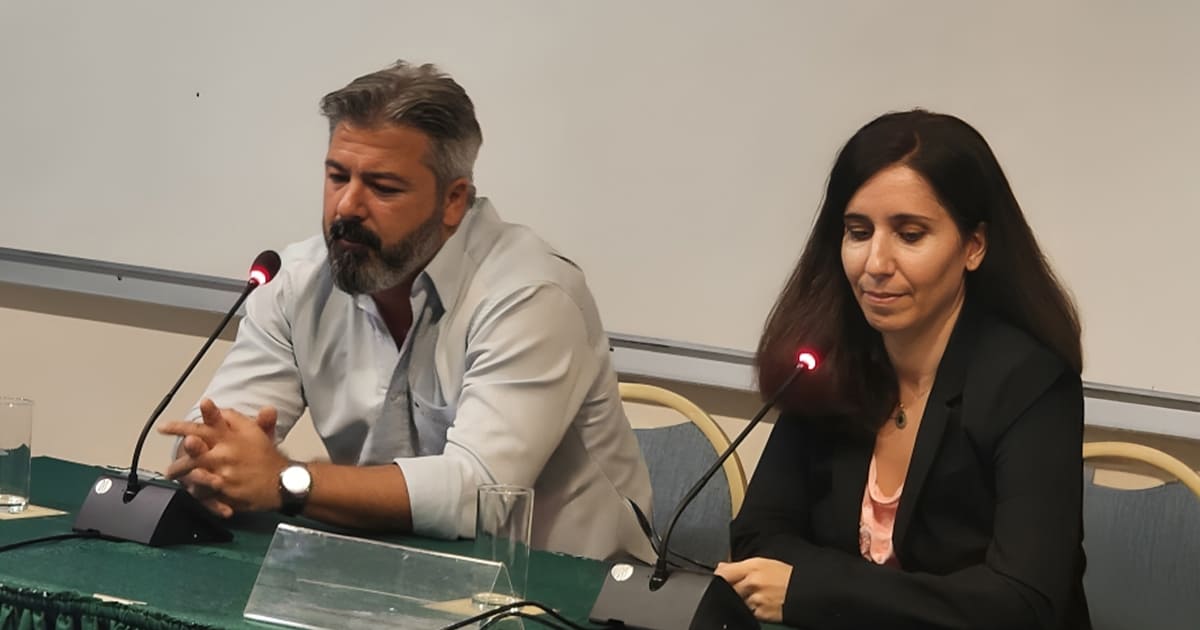
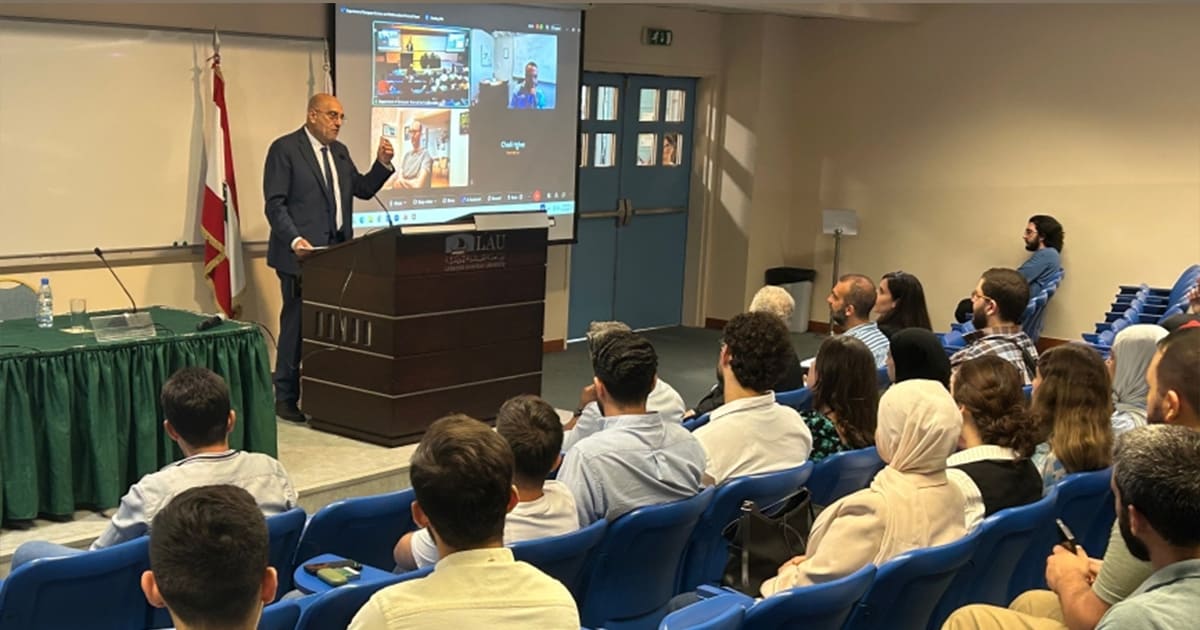
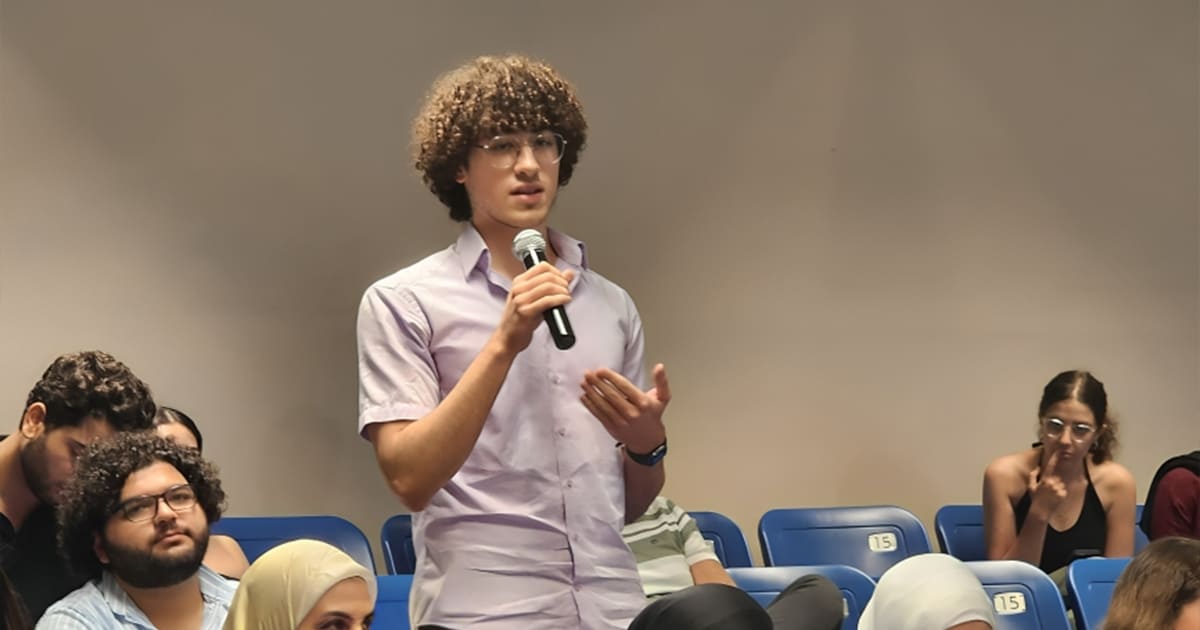
To mark this milestone, the department held an event on September 12, 2025, on the Beirut campus, which gathered students, faculty, administrators and industry partners for a panel discussion on the transformative potential of data science and its relevance across disciplines and industries.
The program’s inception, as highlighted by CSM Chair and Associate Professor Leila Issa—who moderated the discussion—was the result of a concerted institutional effort and foresight to an evolving digital landscape that depends on the intelligent use of data.
In her opening remarks, Dr. Issa stressed that the master’s was made possible thanks to the dedication of the CSM faculty and staff, as well as the dynamism and vision of SoAS Dean Haidar Harmanani, “who recognized the timely need and importance for such a program.”
She also expressed her gratitude for the efforts of Dr. Hussein F. Hassan, director of Academic Compliance, in helping to secure the program’s recognition.
The program offers students a curriculum that balances foundational courses, such as programming, statistics, ethics, applications of data science, machine learning and research methods, with specialized electives in areas like reinforcement learning, deep learning, big data, finance and health analytics.
The degree can be completed in two years and allows students the choice of a thesis or project track, supported by generous graduate assistantships. The goal, therefore, is to provide a hands-on, project-oriented experience that imparts technical expertise and fosters analytical thinking and social awareness, thereby enabling graduates to apply their skills to real-world challenges.
Provost George E. Nasr placed the program within LAU’s broader strategy to advance its graduate studies portfolio. He spoke of the university’s strategic commitment to cultivating a new generation of researchers and professionals capable of leading in a knowledge-based economy.
“Our mission will continue to be to educate, innovate, and make a difference,” he said, noting that this initiative is “part of a larger institutional drive to bridge education with impact aimed at harnessing the engines of progress in today’s world.”
Dean Harmanani echoed this vision by situating the master’s program in LAU’s long history of pioneering computing education in the region, reminding the audience that the university was the first in Lebanon to introduce a BS in Computer Science in 1976 and later the first to launch an MS in the field in 1992 as well.
This new opportunity, he explained, continues this legacy of leadership where “data has become the currency of the 21st century,” driving decision-making across domains, from finance and healthcare to urban development and artificial intelligence.
“By placing it in your hands,” he said to the students, “we are assured in our belief that the best way of predicting the future is by allowing you to create it.”
The panel discussion featured professionals and academics from Lebanon and abroad, including Data and Analytics Manager of Information Systems at Murex Gabriel Baltajian, Associate Professor of Data Science at the University of Michigan Raed El Kontar, and Meta Principal Applied Scientist Houssam Nassif.
Their participation underscored LAU’s connections with the global data science community and its commitment to integrating academic learning with industry experts whose perspectives provide students with the necessary insights into the use of data in solving practical problems across sectors.
Concluding the event, Dr. Issa welcomed the first cohort embarking on this academic journey, wished them success and assured them that the university is committed to providing the theoretical foundation and practical skills needed to thrive in the industry and contribute to their communities and the broader world.


