LAU’s New Rafic Hariri Complex for the Advancement of Human Learning and the Nazek and Rafic Hariri Building
LAU expands its academic presence in Beirut, in line with a shared vision with Mrs. Nazek Rafic Hariri, honoring the late Prime Minister Rafic Hariri’s legacy to education in the heart of the capital.
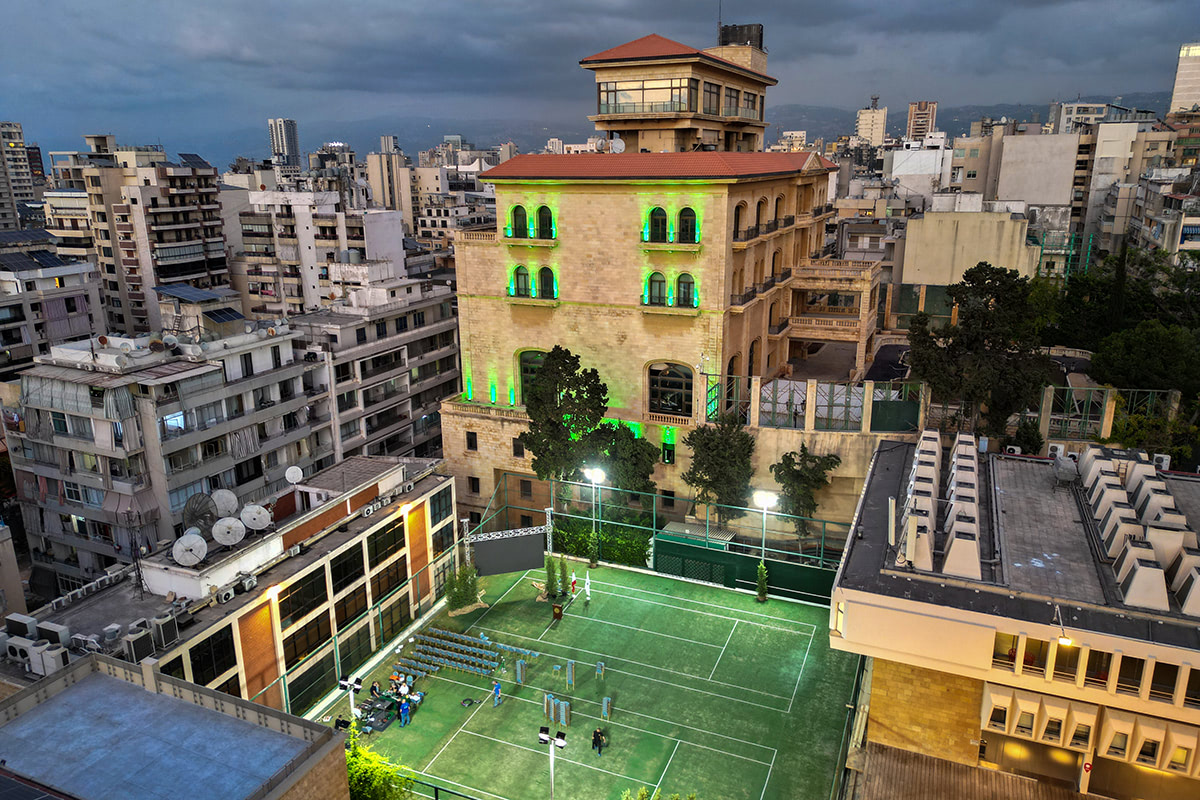
In a strategic move that reasserts its commitment to enhancing academic excellence, LAU has undertaken a major expansion through the property adjacent to the Koraytem residence and its campus.
The site, which the university had formally acquired under an agreement initiated by Mrs. Nazek Rafic Hariri, will become a fully integrated academic facility supporting the university’s educational and research mission.
The project was inspired by a shared vision to dedicate the property to establishing a national center for learning, research, and innovation, while honoring the legacy of the late Prime Minister Rafic Hariri and reaffirming Mrs. Hariri’s determination to advance his educational mission in the heart of Beirut as a foundation for national renewal and a future investment.
With the addition of nearly 17,000 square meters to its Beirut campus, LAU will be able to expand its research infrastructure, as well as industrial, entrepreneurial and innovation hubs, and bolster its startup incubators and technology accelerators.
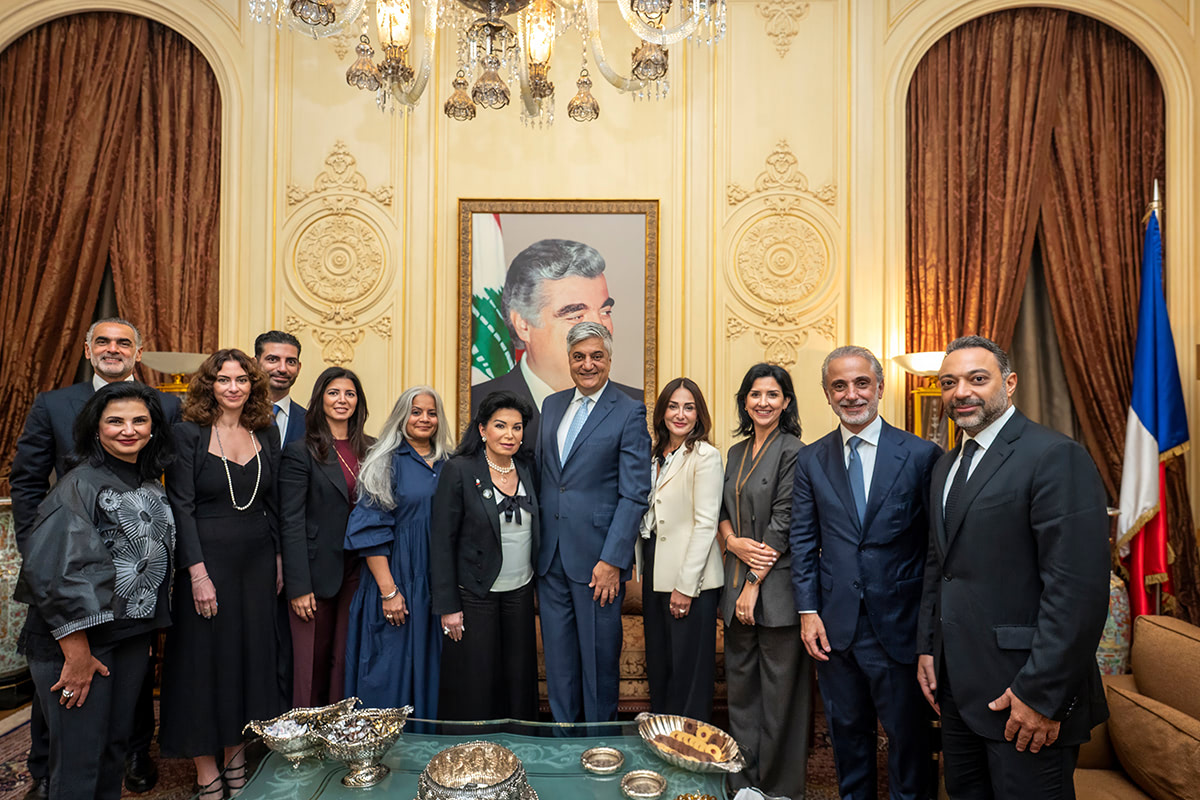
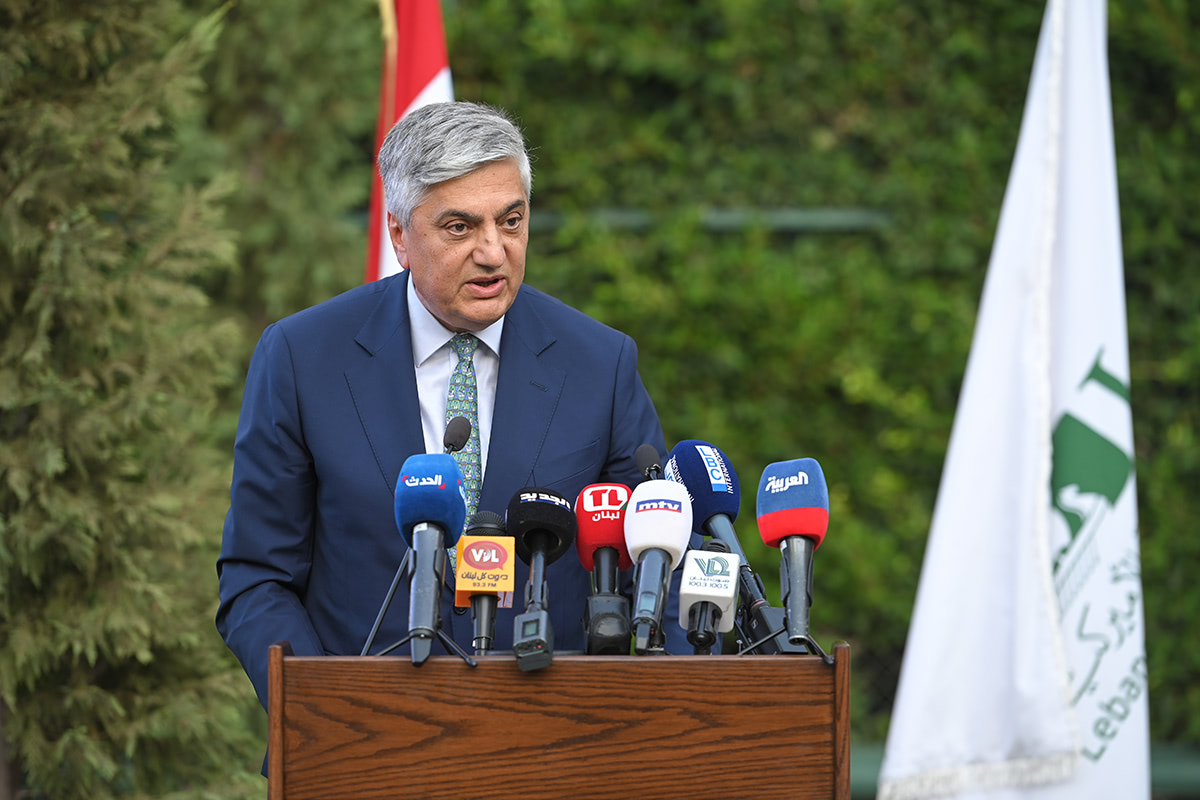
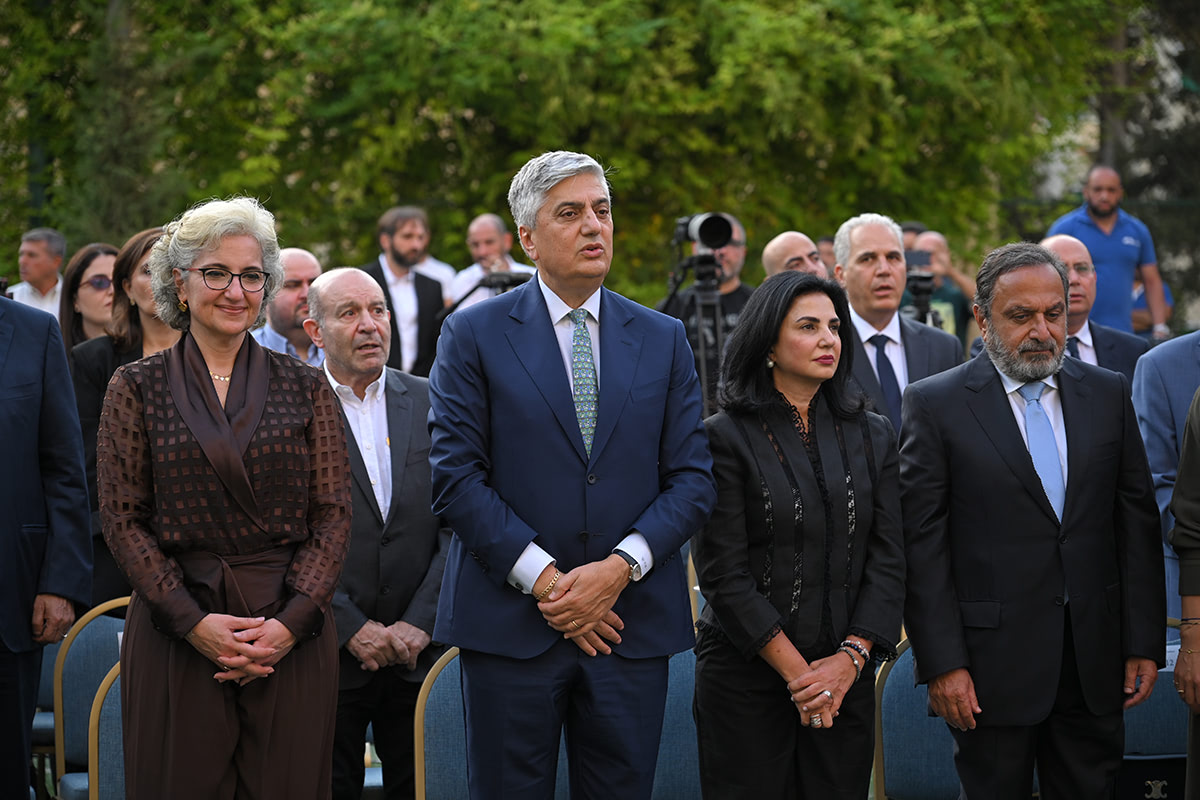
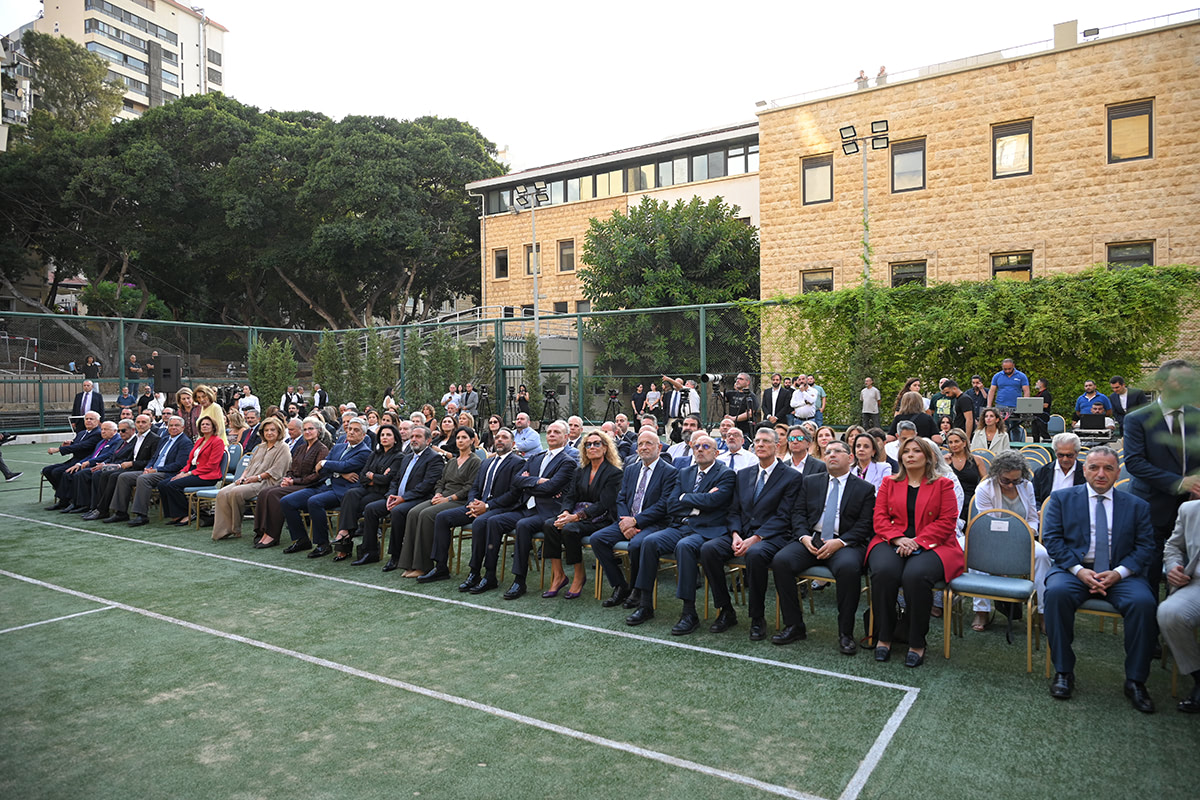
LAU President Chaouki T. Abdallah announced the expansion on September 25, 2025, at a news conference on the Beirut campus. The event was attended by the Minister of Education and Higher Education Rima Karami, representing Prime Minister Nawaf Salam, the family of the late Prime Minister Hariri and Mrs. Nazek Hariri, former ministers and members of parliament, members of the LAU Board of Trustees, President of the Rafik Hariri University Said Ladki, Rafic Hariri Foundation manager and team, LAU vice presidents, deans and assistant vice presidents.
“We are gathered today to celebrate a pioneering initiative in the history of Beirut and Lebanon that affirms our university’s unwavering commitment to raising the level of higher education in Beirut and Lebanon, and upholding the noble message it launched more than a hundred years ago,” said Dr. Abdallah.
The complex, he added, is a continuation of the late Prime Minister Hariri’s “message of giving,” which had ensured “the education of thousands of university students who have contributed and continue to contribute to the sustainability of their country, support the Lebanese economy and their families.”
In addition to the site, announced Dr. Abdallah, Mrs. Hariri had made a generous donation in support of the university and its students, to help ensure that Beirut remains a beacon of science, knowledge and creativity in Lebanon and the Middle East.
The building will house the “Rafic Hariri Memorial Library” to expand scholarship and understanding of the late prime minister’s impact on the history of Lebanon before, during and following his premierships.
The initiative also builds on LAU’s longstanding relationship with the late Prime Minister Rafic Hariri, whose educational vision always held a special place for the university. He was also awarded an honorary doctorate in 2002.
Over the years, he participated in various academic events on the university’s campus and entrusted LAU with his daughter’s education. The mutual respect between him and the university remains firmly rooted in LAU’s academic community to this day, ensuring that this bond and mission continue across generations.
In a recorded speech, Mrs. Hariri spoke about her late husband’s staunch efforts to promote education, which he held to be the foundation of social justice, economic growth, and political stability.
She referred to this joint initiative with LAU as a tribute to his vision, and a reinforcement of the ties between the university and the capital in the service of its students and community.
“There are no daunting challenges, as the path of giving charted by the late prime minister will endure, God willing, with faith, sincerity, and the support of all those who share the belief that education is the path to salvation, development and stability,” she said.
Expressing the university’s deep appreciation for this collaboration, Dr. Abdallah noted that “the building was not simply an additional space; it was a responsibility, and a living continuation of an educational and human legacy that we are proud to uphold.”


