New Academic Collaboration Sows Opportunities for Women in the Agri-Food Sector in Baalbeck
LAU and Munich University of Applied Sciences are working together to support women-led food cooperatives and groups with tools and networks through training and innovation.
In July and August 2025, LAU and Hochschule München (HM) University of Applied Sciences implemented a joint project funded by the German Academic Exchange Service (DAAD), titled Seeds of Change: Leveraging Social Innovation for Women-Led Food Cooperatives in Lebanon.
The project aims to equip community food enterprises run by women in Baalbeck with practical tools, training and new opportunities in food innovations for growth in an increasingly competitive agri-food sector in Lebanon.
Spearheaded by LAU Professor of Food Science and Technology and Director of Academic Compliance Hussein Hassan and HM Professor for Management of Socio-Ecological Transformation and Strategic Communication Pia Popal, the initiative reflected their universities’ commitment to align academic collaboration with community development.
According to Dr. Hassan, it is a shared conviction that “universities should not only generate knowledge but also translate it into solutions for pressing societal needs.”
The Department of Nutrition and Food Science at the School of Arts and Sciences takes pride in championing community service and its outreach to rural cooperatives nationwide.
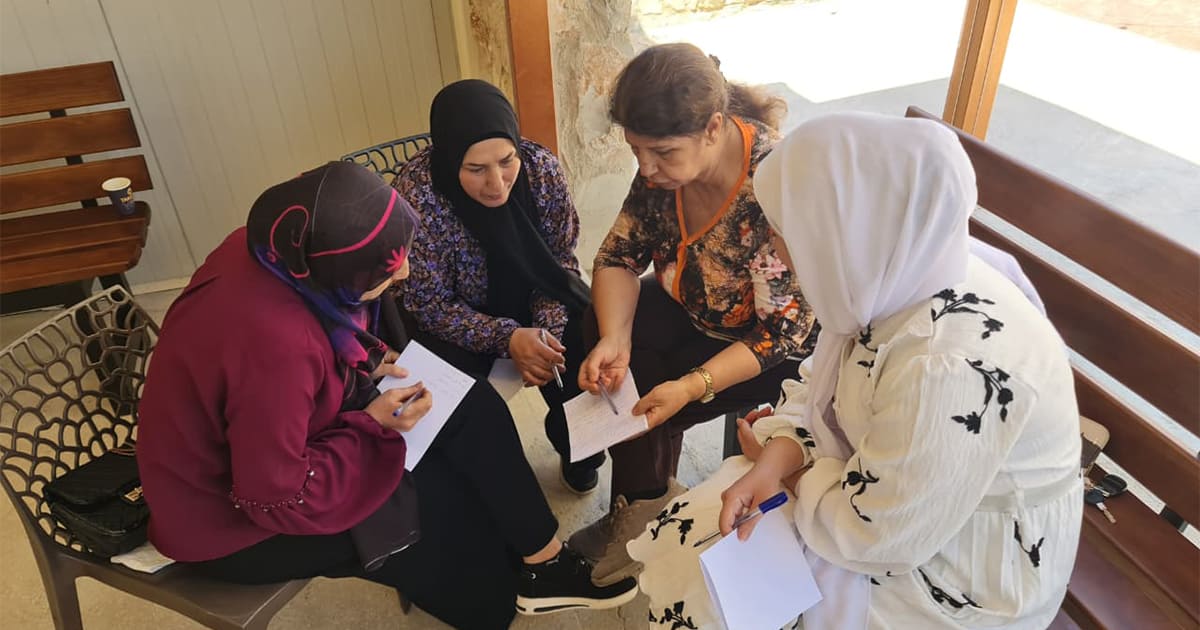
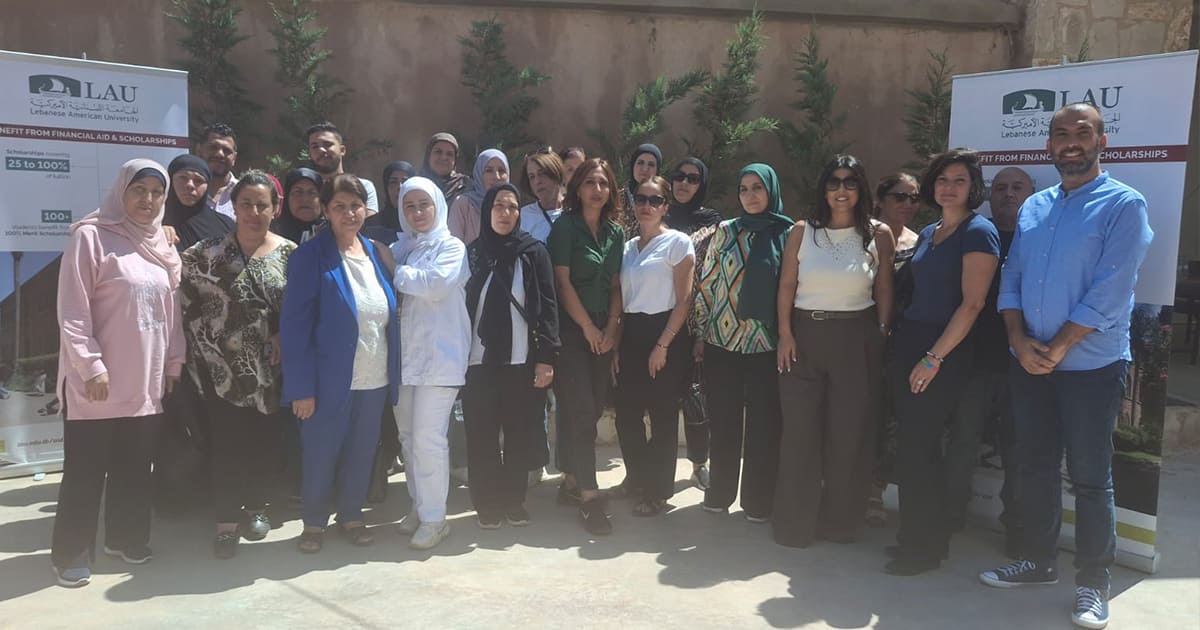
In a series of four workshops held in Baalbeck from August 18 to 23, 20 women from local agri-food cooperatives gathered to acquire and master new practices through sessions on quality management systems by Dr. Hassan, food marketing strategies by Lecturer and CEO of Legato SARL Hill Skaff, strategic management and AI applications in agri-food industry by Assistant Professor at the Adnan Kassar School of Business Samar Aad, in addition to frameworks for social innovation by Dr. Popal.
“Baalbeck was chosen because it faces significant socio-economic challenges, particularly for women and smallholder cooperatives, although it is a historically rich city and an important agricultural hub in Lebanon,” said Dr. Hassan.
In fact, while numerous women-led cooperatives in the area are active, they continue to struggle with access to training, markets and innovation tools.
Consequently, Seeds of Change served to bring academic expertise and international collaboration directly to the heart of local communities “to ensure that it is not just theoretical but transformative for women entrepreneurs in a region deserving more investment and support,” he added.
Throughout the workshops, activities focused on fostering collaboration among cooperatives, encouraging problem-solving through group exercises, and allowing participants to exchange experiences in the hopes of learning from one another.
Mirna Maadarani, who heads a cooperative in Baalbeck, reflected on how “for the first time, we feel that our work in the cooperative can compete in the market, with better quality and stronger marketing.” The most rewarding outcome, she added, was “it showed us women in Baalbeck can lead real change for our families and community.”
The women also received certificates that formally recognized their enhanced professional capacity.
This collaboration between the two universities “shows how academic partnerships can create tangible social impact,” noted Dr. Popal. “Social innovation is not just about new ideas, but about empowering communities with the skills and confidence to build a sustainable future.”
Assistant Professor and Chairperson of the Department of Nutrition and Food Science Department Rana Rizk shared Dr. Popal’s sentiment, stating that “these engagements strengthen LAU’s mission to advance education, research and innovation, while creating valuable opportunities for our students and community as a whole to access cutting-edge knowledge, resources and networks in the fields of nutrition and food science.”
For the Ministry of Agriculture, the initiative does more than provide technical and managerial skills, as it also closes the gap between research and practice, “through which cooperatives are given access to innovative tools that can improve productivity, competitiveness and long-term sustainability,” said Gloria Abou Zeid, the ministry’s director general of cooperatives.
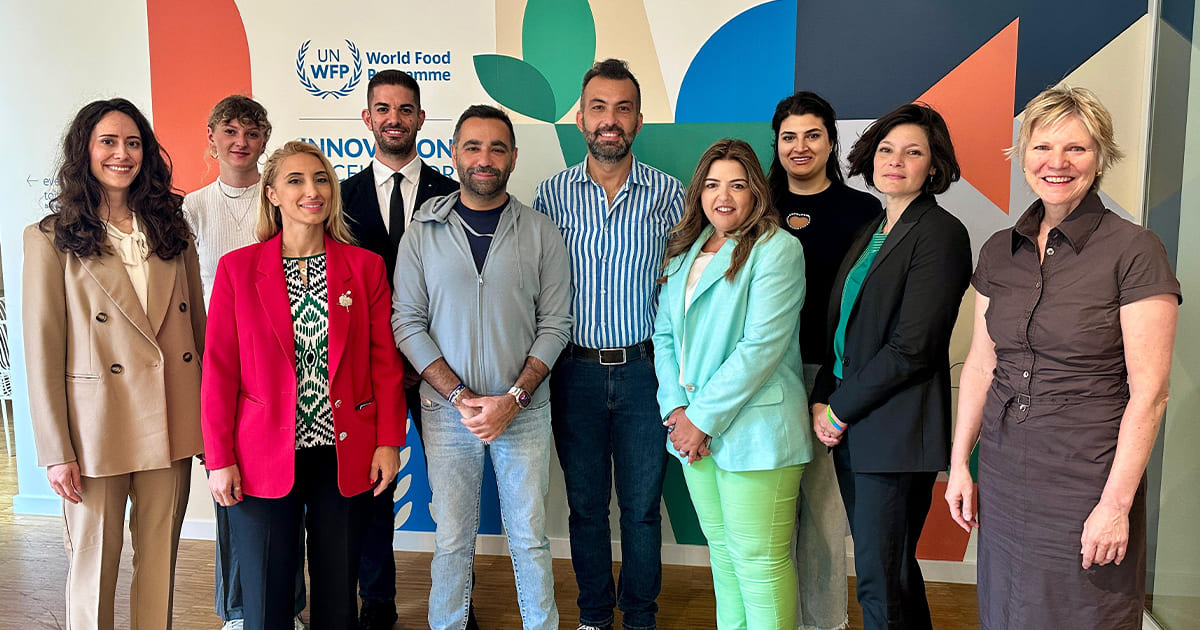
A delegation of six LAU faculty visited Munich as part of the grant and got introduced to the German food innovation and entrepreneurship ecosystem. Additionally, Dr. Hassan attended a workshop organized by DAAD in Amman titled Digital Transformation in Higher Education about strategies for integrating technology into teaching and institutional development.
As the project moves into its next stages, both LAU and HM see it as only the beginning. Plans are underway for new joint grant applications, deeper faculty and student exchanges, and expanded collaboration with ministries and NGOs in Lebanon.


