Special Training Boosts LAU’s Emergency Readiness and Community Care
The LAU Clinical Simulation Center offers the Heartsaver® course, equipping faculty and staff with lifesaving skills for both on- and off-campus emergencies.
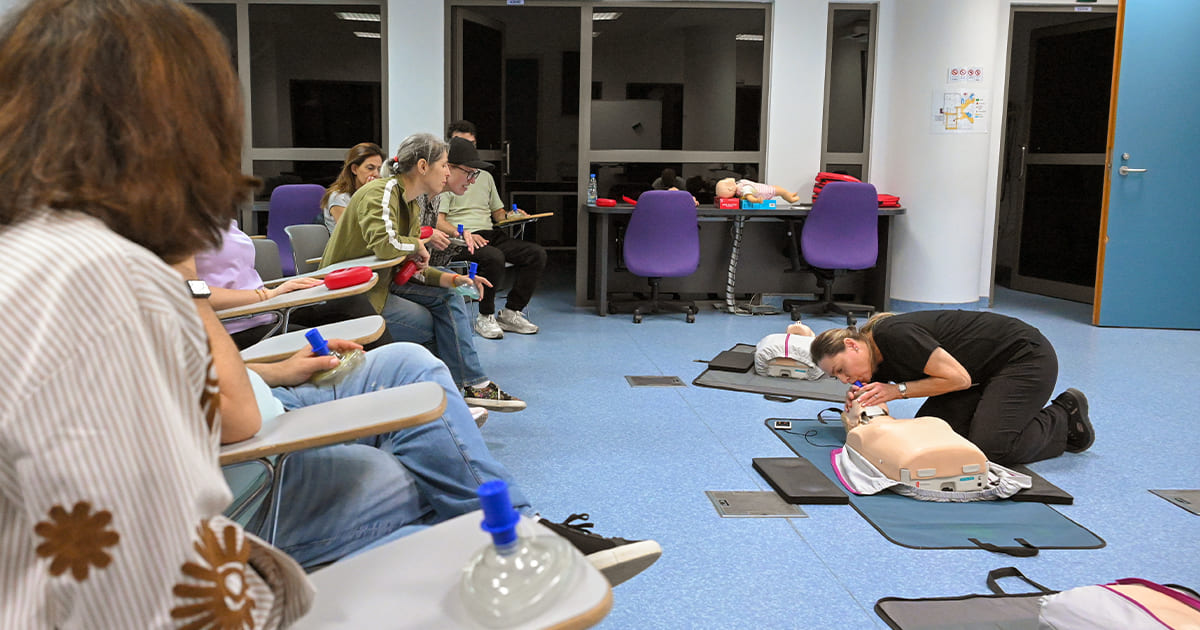
When cardiac arrest occurs, the first few minutes can determine the chances of survival, well before emergency responders arrive. Although Cardiopulmonary Resuscitation (CPR) and automated external defibrillators (AEDs) can be lifesaving, bystander CPR is administered in only 41.7% of cardiac arrest cases.
This gap is especially evident in many workplaces, where people are not unwilling to help but often lack the training and confidence to respond in emergencies, whether it’s cardiac arrest, choking, stroke, or severe bleeding.
Recognizing the importance of proper preparation, the LAU Clinical Simulation Center at the Byblos campus delivered the internationally accredited Heartsaver® First Aid CPR AED course to 140 university employees from key departments, comprising 15 sessions from March until May 2025, to strengthen institutional engagement in community health and emergency preparedness.
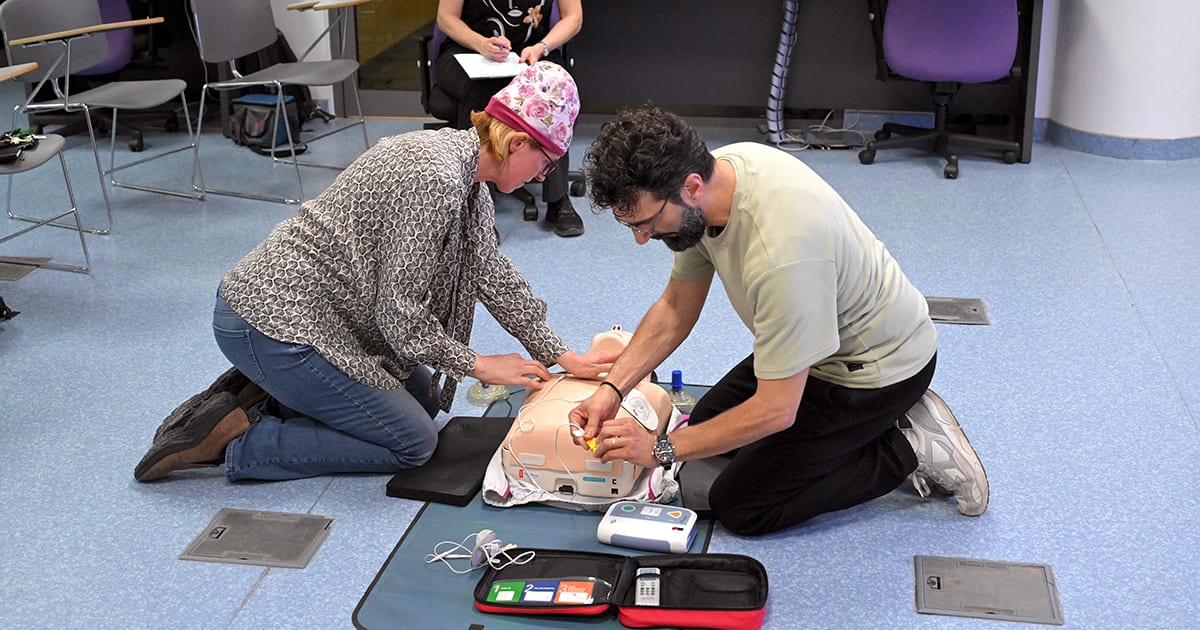
The hands-on course, according to Clinical Associate Professor and Director of the LAU Clinical Simulation Center Hanane Barkat, was developed by the American Heart Association (AHA) to provide non-healthcare professionals with practical training in adult CPR, AED use, and basic first aid.
“We aim to broaden accessibility to lifesaving skills,” said Dr. Barakat, adding that the most important outcome is “a greater sense of safety across the university.”
Held in close collaboration with LAU’s Human Resources Department and various academic and administrative units, the training marked one of the Clinical Simulation Center’s largest interdepartmental initiatives to date. And while its primary aim was to serve LAU’s internal community, its growing success is also positioning the center as a regional hub for professional development in emergency response.
“The Heartsaver® course has proven to be an invaluable asset in enhancing emergency readiness and community care,” said LAU Vice President of Administration Roy Majdalani. “This training not only equips participants with essential life-saving skills but also instills the confidence and preparedness crucial in emergencies. Its impact is clear in our staff’s improved ability to respond effectively, ultimately contributing to a safer and more resilient community.”
To enhance campus-wide emergency readiness and ensure a confident, capable response to medical crises, the center targeted staff and faculty in student-facing roles, such as academic advising, health services, the protection department, and student affairs, for the training.
“Medical emergencies can happen anywhere—on campus, at work, or during an event,” said Dr. Barakat. “When employees are empowered with lifesaving knowledge, institutions benefit from reduced response times, better outcomes, and a safer environment overall.”
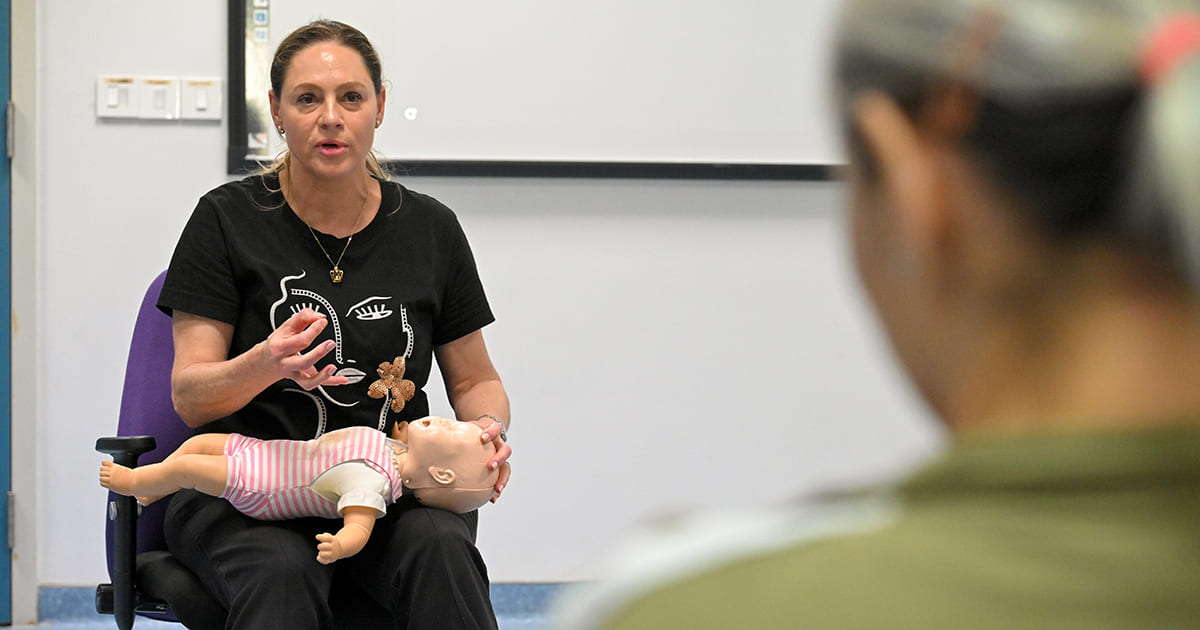
The course itself was delivered by certified AHA instructors and Lead Clinical Simulation Center Supervisors Teresa Grobler and Elias Harb. Offered in both Arabic and English, it featured immersive, scenario-based instruction designed to help participants apply their skills under pressure. From managing allergic reactions to stabilizing someone experiencing cardiac arrest, the sessions were designed to feel realistic and immediately applicable.
There are plans to expand the training beyond the university, reaching out to external organizations, schools, NGOs, and industries interested in boosting their emergency preparedness. Such trainings add measurable value across all industries by equipping non-medical staff with lifesaving skills and improving organizational emergency preparedness.
In corporate and educational institutions, trained employees can respond promptly to cardiac arrest, workplace injuries, or medical emergencies before professional help arrives, reducing response times and potentially saving lives. These trainings also enhance workplace safety culture, employee confidence, and compliance with international occupational safety standards.
“We’re increasingly being recognized as a leader in high-quality, simulation-based education,” said Dr. Barakat. “And programs like this are key to our broader mission of community impact and outreach.”


