Young LAU Leaders Bring Home Lessons From Europe’s Marine Conservation Frontlines
LAU students gain hands-on experience in ocean protection and cross-cultural collaboration through the Erasmus-led program, returning home inspired to promote sustainability in Lebanon.
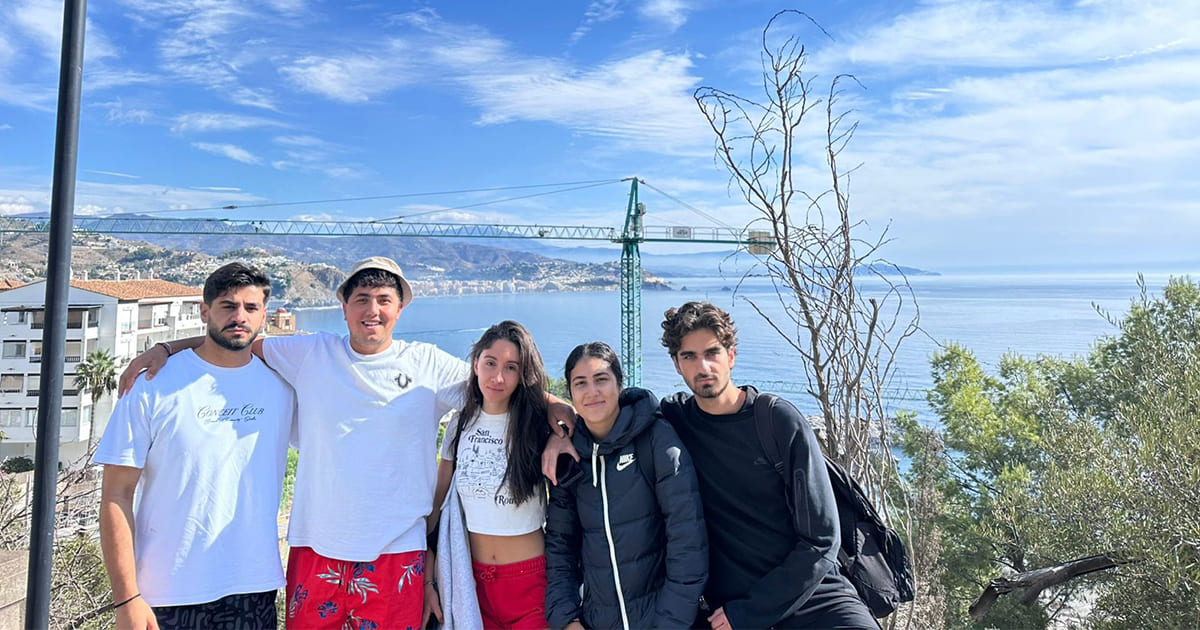
LAU’s School of Engineering, in coordination with the International Services and Programs office, has made it a priority to create meaningful pathways for students to participate in international academic and student-led exchanges. One such opportunity was the recent participation of five interdisciplinary LAU students in Sea Saves Your Planet, a youth-led Erasmus+ initiative held in Almuñécar, Spain, from October 23 to 31.
While the week-long program focused on marine conservation, its impact extended far beyond environmental training. It brought together young people across Europe to reflect on a shared question: What does it mean for youth to take responsibility for the future of the planet?
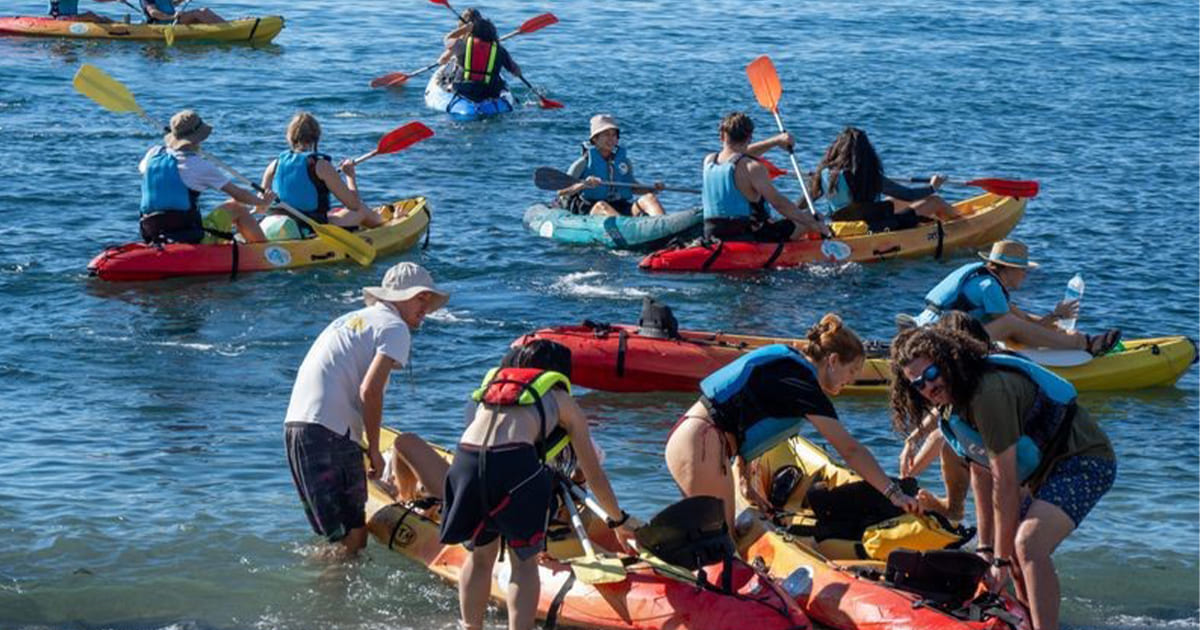
Throughout the program, LAU students gained firsthand exposure to European marine preservation efforts and learned how different countries address threats to coastal ecosystems through a series of experiential, collaborative activities.
They explored underwater reserves, observed marine species in their natural habitats, and developed practical awareness of conservation methods. The experience also emphasized teamwork, as students worked alongside peers from Greece, Poland, Estonia, and Spain, navigating cultural differences and discovering how diverse perspectives can enrich a shared mission.
“This initiative became possible thanks to the partnership we established with UPlanet, which allowed us to apply to the Sea Save Your Planet program and secure the grant that funded the students’ participation,” said Dr. Josephine El-Alam, adjunct assistant professor at the LAU School of Engineering.
“To ensure the strongest and most representative cohort, we worked closely with the International Services and Programs Office, whose expertise in international exchange programs was essential in selecting and preparing the students for this unique opportunity,” she added.
Just as valuable were the leadership and communication skills they brought home. Many noted how the program strengthened their confidence in expressing ideas, particularly in multicultural settings. Others highlighted the creativity sparked by developing youth-led environmental projects, including a Lebanese coastal preservation proposal that integrated municipal partnerships with a tech-based initiative for tracking sea turtles.
Mechanical engineering student Maria Mansour reflected on the experience, sharing: “Through workshops, team challenges, and local cleanup activities, we explored how youth can fight marine pollution, promote sustainable living in our communities, and protect coastal ecosystems.”
For pre-med student Issam Mahfoud and economy student Jason Geagea, the cultural exchange was equally meaningful. “We attended workshops that introduced us to marine biology and conservation,” said Mahfoud. “We also had the chance to share Lebanese culture with others and learn about traditions from across Europe.”
Ahmad Saadeddine, a computer engineering student, said that sharing his knowledge with the right people has opened new opportunities for him. “I encourage everyone, whatever their background, to apply.”
The students returned to Lebanon with renewed enthusiasm to collaborate with national organizations, promote sustainable practices on campus, and advance Lebanon’s role in global marine conservation.
Building on their experience in Spain, they are now actively preparing a formal proposal to include Lebanon in the Sustainable Ocean Alliance, an international network dedicated to marine and coastal preservation. This initiative reflects a tangible, long-term commitment rooted in the knowledge, skills, and partnerships they developed during the program.


