Diagnosing Food Waste in Hospitals
LAU held a multi-stakeholder panel to discuss food waste in the healthcare sector.
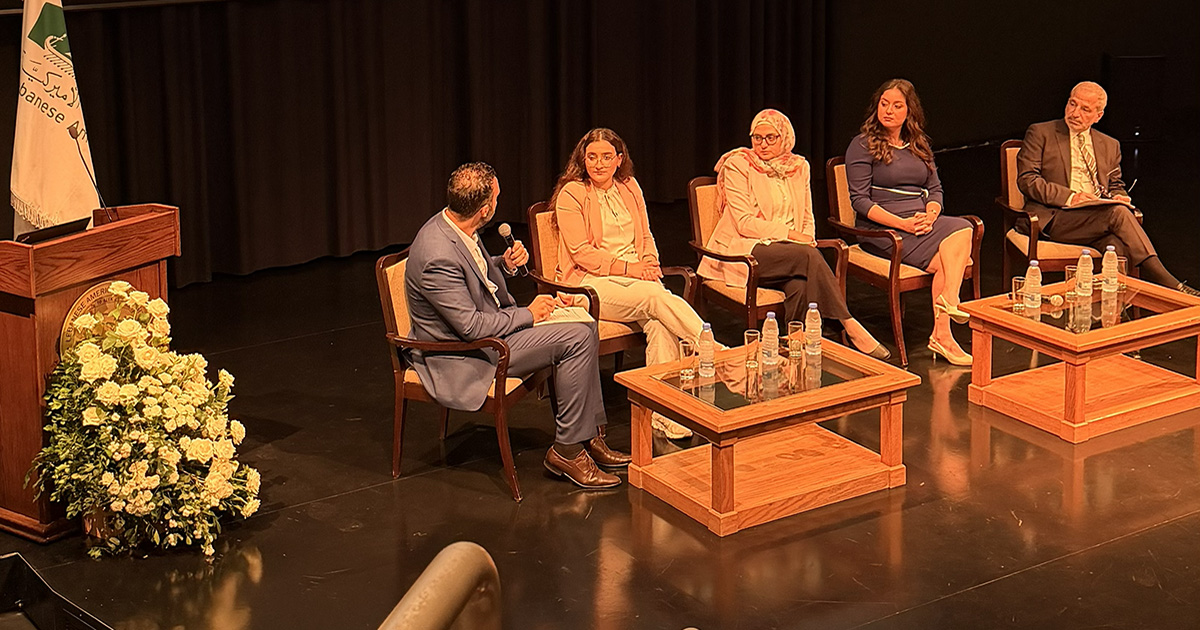
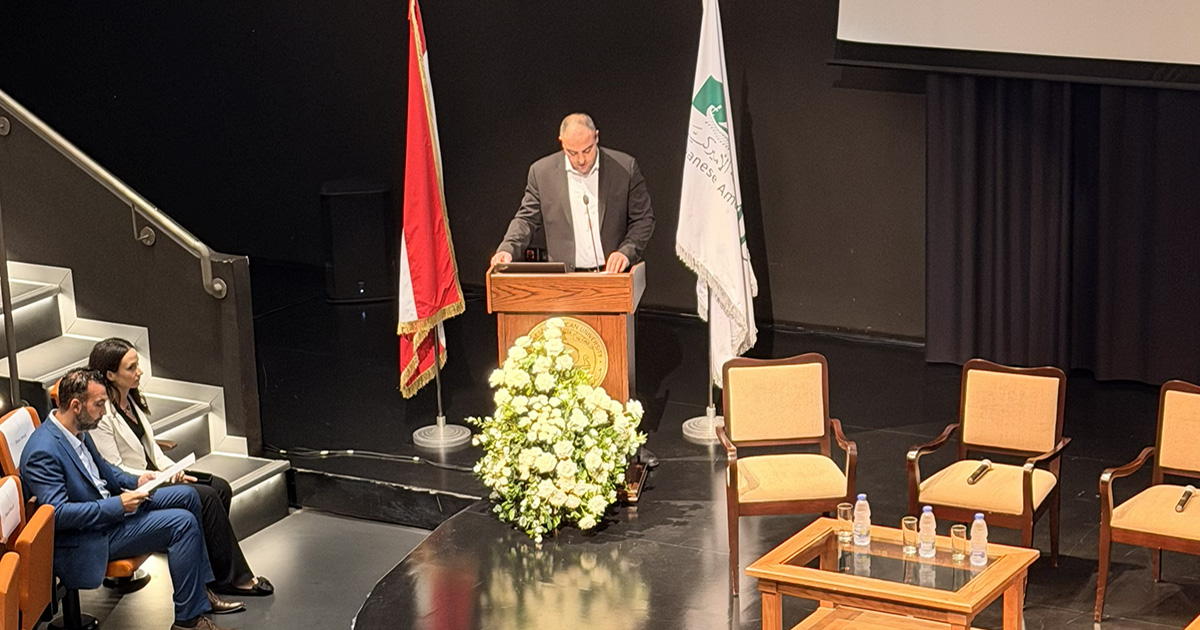
One of the most underreported but harmful types of food waste takes place in hospitals, where the average can reach up to 40 percent globally. On October 13, 2026, Professor of Food Science and Technology Hussein Hassan led a panel to tackle the issue under the patronage of the Ministry of Public Health Director General Weam Abou Hamdan (MS ’10; MBA ’22). This panel concluded a research project on hospital food waste led by Dr. Hussein and Lebanese University Professor of Nutrition Maha Hoteit, which resulted in six articles published in peer-reviewed international journals.
The panel consisted of LAU Chief Sustainability Officer Nadim Farajalla, LAU Medical Center-Rizk Hospital Clinical Dietitian Nour Wehbe, American University of Beirut Program Manager of the K2P Center and Public Health Instructor Clara Abou Samra, and Dr. Hoteit.
For Dr. Abou Hamdan, this is not just an ethical question, but also an economic one. “Waste is a direct financial loss for a health system already under severe pressure,” he stated in his keynote address, announcing the ministry’s intent to integrate food waste reduction within hospital accreditation standards.
“If you can’t measure it, you can’t manage it; we will encourage hospitals to track and report their food waste,” added Dr. Abou Hamdan, allowing the country to build the database it currently lacks. “Reducing waste will improve patient nutrition, reduce costs, and support Lebanon’s commitment to a circular economy,” he concluded.
For Dr. Hoteit, food waste in hospitals is unique in that it can directly impact health through the loss of nutrients that help recovery. “Food is medicine,” she asserted, adding that well-organized and individualized meal planning must be part of patient care.
“We are aiming to serve the right patient the right portions at the right time,” Wehbe elaborated, explaining that meals often go to waste because they are served at the wrong time, to the wrong patients, or without taking their dietary restrictions and preferences into consideration.
Abou Samra highlighted the role dietitians can play in that regard. “Unfortunately, there are still hospitals in Lebanon that don’t have in-house nutritionists to indicate what kind of food the patient needs,” she noted, describing it as a critical gap in quality and sustainability.
Dr. Farajalla addressed the environmental dimension in terms of the energy, water, and resources that go into producing and transporting food, all of which risk getting wasted due to hospital-side inefficiencies. He described how food waste increases a hospital’s carbon footprint while reducing its profit margin. “It’s a loss of purchased resources,” he said, arguing that the best way to incentivize sustainability in hospitals is to make a financial argument as well as an environmental one.
“Food is a blessing, and wasting it is akin to wasting a blessing,” said Dr. Hassan, citing LAU’s recently endorsed “Zero Food Waste” policy as an example to follow.
“There’s no silver bullet that works for every hospital, and enacting change will take time,” he added, acknowledging the challenges of reducing food waste in the medical industry, where food safety is a greater concern due to the presence of pathogens.
As educators, Dr. Hassan and his colleagues from various universities in Lebanon hope to inculcate a sustainability mindset in their students, laying the foundations for a more waste-conscious healthcare sector.


