LAU and the Michel Daher Foundation Hold a Panel Discussion on Food Loss in the Food Industry
The event brought together experts from academia, the food industry, and the public sector to discuss local challenges and potential solutions.
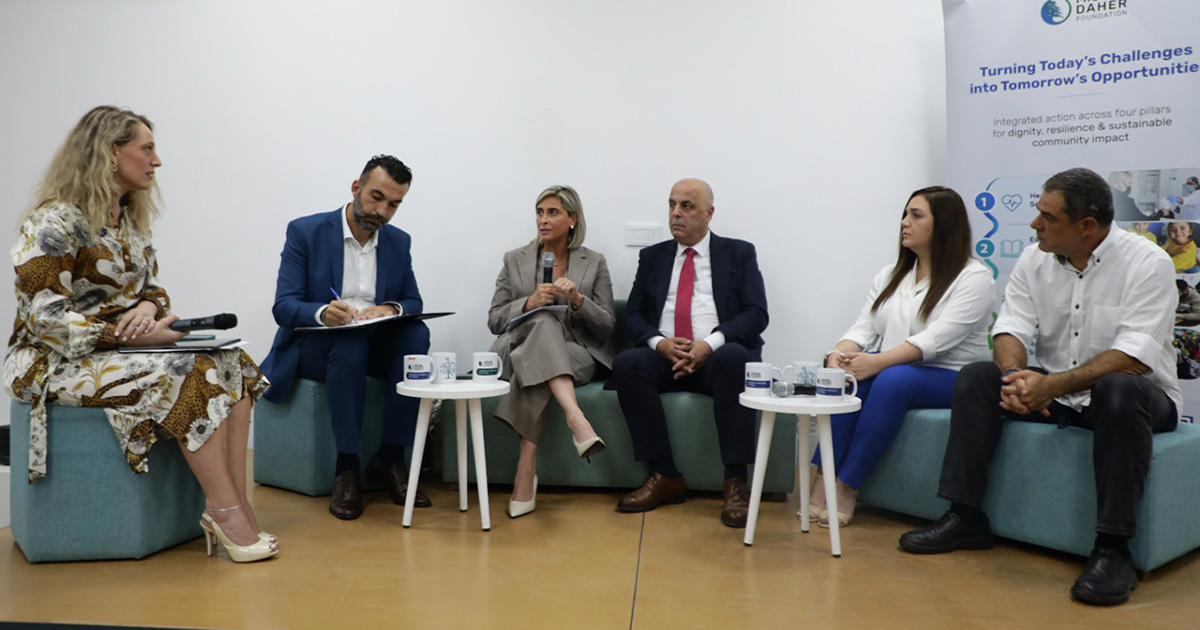
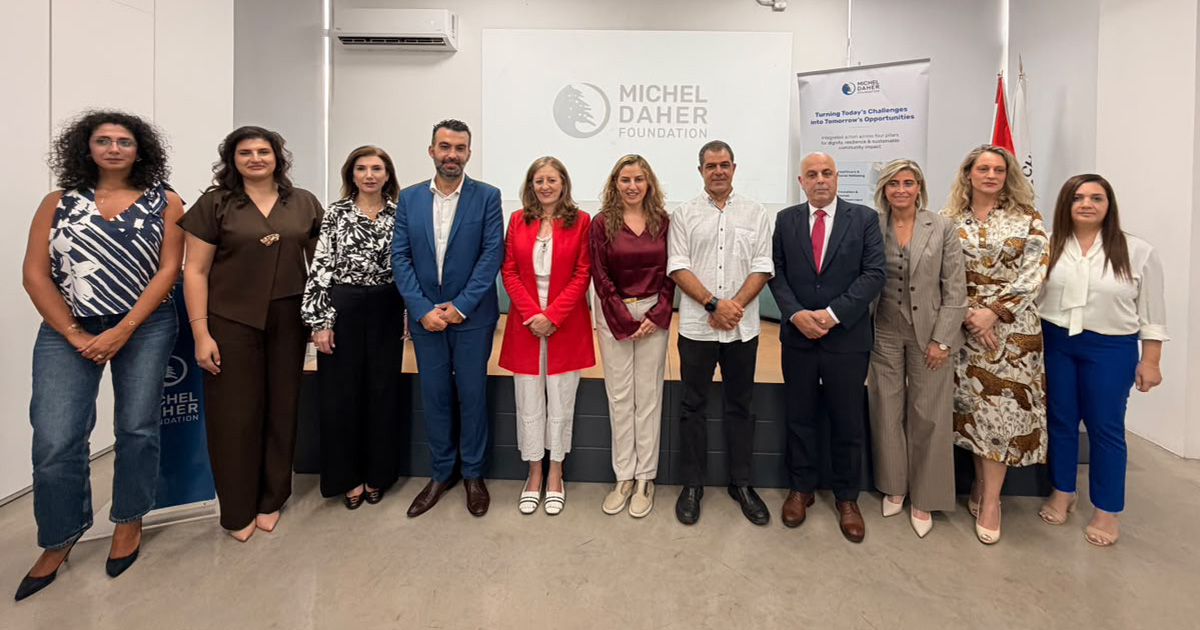
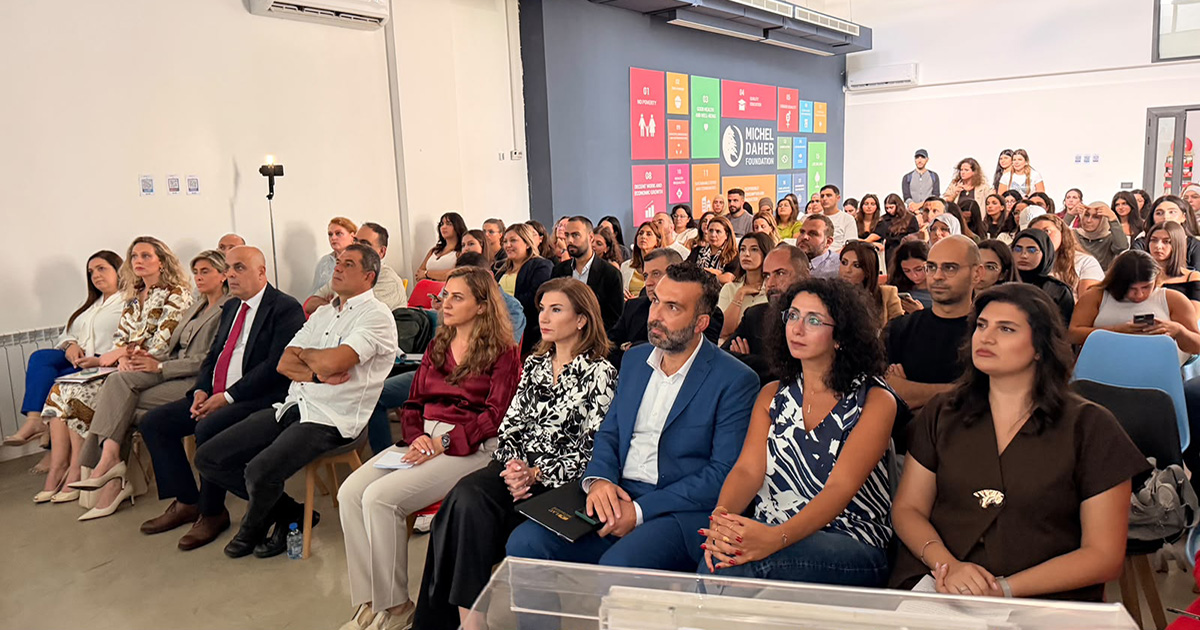
“Food Loss in the Food Industry: Hidden Costs and Practical Solutions,” a panel discussion was held on September 18 under the auspices of the UN’s Food and Agriculture Organization (FAO) and in partnership with the Michel Daher Social Foundation (MDSF) and the American University of Beirut (AUB). It took place at the MDSF headquarters and marked the first initiative to emerge from the partnership recently signed between MDSF and LAU. The panel was attended by FAO Representative in Lebanon Nora Ourabah Haddad, local industry leaders, and LAU faculty and students.
In her welcome remarks, MDSF Founder and President Marleine Daher highlighted the role academia can play in the Bekaa’s development, thanking LAU for contributing to the organization’s mission.
“At Michel Daher Foundation, we believe that strengthening the agri-food sector means driving growth, competitiveness, and sustainability while creating better opportunities for our communities,” she said.
Speaking on behalf of the Department of Nutrition and Food Science, Chair and Assistant Professor Rana Rizk emphasized the importance of collaboration among local industry, NGOs, public institutions, and other stakeholders in addressing food loss.
“We believe that the true impact of scientific research is realized when we can translate knowledge into practices and solutions that benefit society,” she said.
Moderated by The Industrial Kingdom Founder Valerie Zakka, the panel brought together researchers, industry experts, and decision-makers to examine how food loss affects Lebanon’s food production sector and explore practical strategies for reducing it.
The five panelists were LAU Professor of Food Science and Technology Hussein Hassan, President of the Bekaa Industrialists Association Nicolas Abou Fayssal, former acting Director at the Ministry of Industry Chantal Akl, AUB Professor of Food Science Mohamad Abiad, and MDSF Chief Development Officer Mira Sidnawy.
Dr. Hassan opened the discussion by addressing the ways in which food loss intersects with food safety and security. He explained how inefficient sample testing wastes valuable time and materials and drives production costs up, which are then passed on to the consumer. In turn, these price hikes compound food insecurity, a particularly pressing concern as energy costs continue to rise.
“Just as we have government oversight to ensure food safety, we should also have official bodies in place to monitor and prevent food loss,” Dr. Hassan explained. “The process starts with policy and legislation that encourages factories to adopt best practices.”
The panel also acknowledged the challenges of establishing effective oversight in an industry that includes many undeclared businesses. At the same time, participants pointed to state backing and collaboration with local municipalities and NGOs as one way to strengthen efforts to reduce food loss. “The Ministry of Industry can help individual businesses reduce costs that they couldn’t bear alone by supporting the creation of unified industrial zones,” said Ms. Akl.
The conversation extended beyond policy priorities to practical, small-scale measures that could help reduce losses throughout the food supply chain, including transportation, storage, production, and testing. Dr. Abiad described previous efforts he led to recycle both industrial byproducts and discarded food into the production chain, which he said “halved costs and food loss in certain cases.” Better practices, planning, and coordination could significantly reduce waste while improving efficiency across the industry.
The panel marked the launch of a longer-term collaboration that seeks to empower decision-making in Lebanon’s agricultural heartland by connecting academic research with industry expertise and community engagement.


