A Tale of Two Lebanons: Minister Amer Bisat Outlines A Path to Prosperity
LAU seminar hosts a reform discussion on post-conflict recovery.
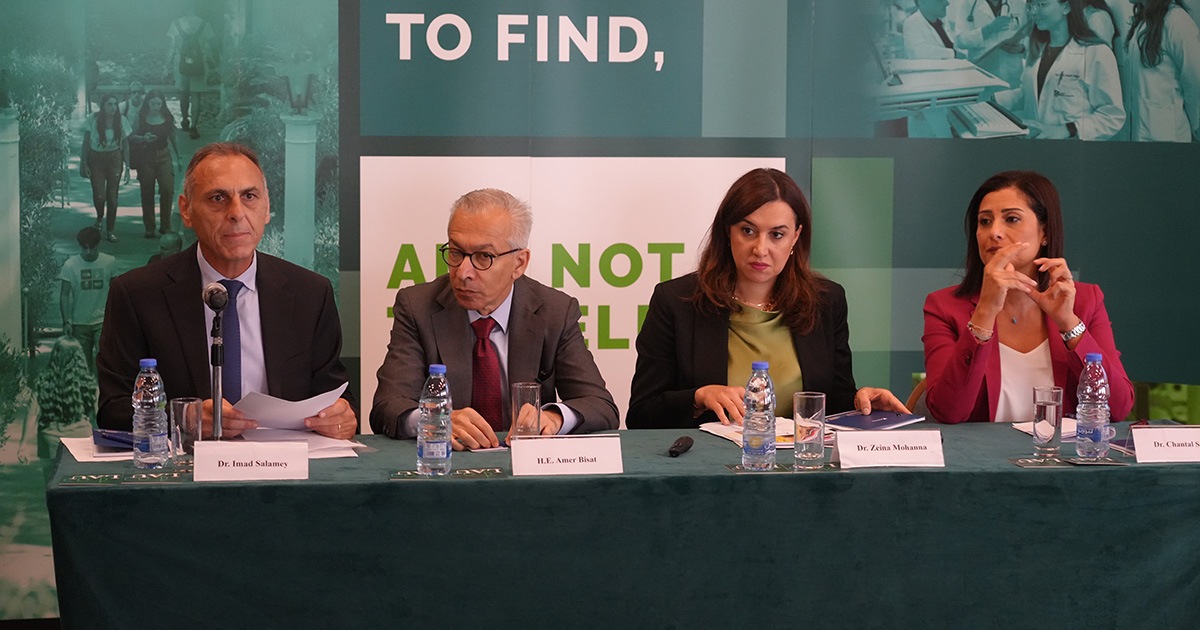
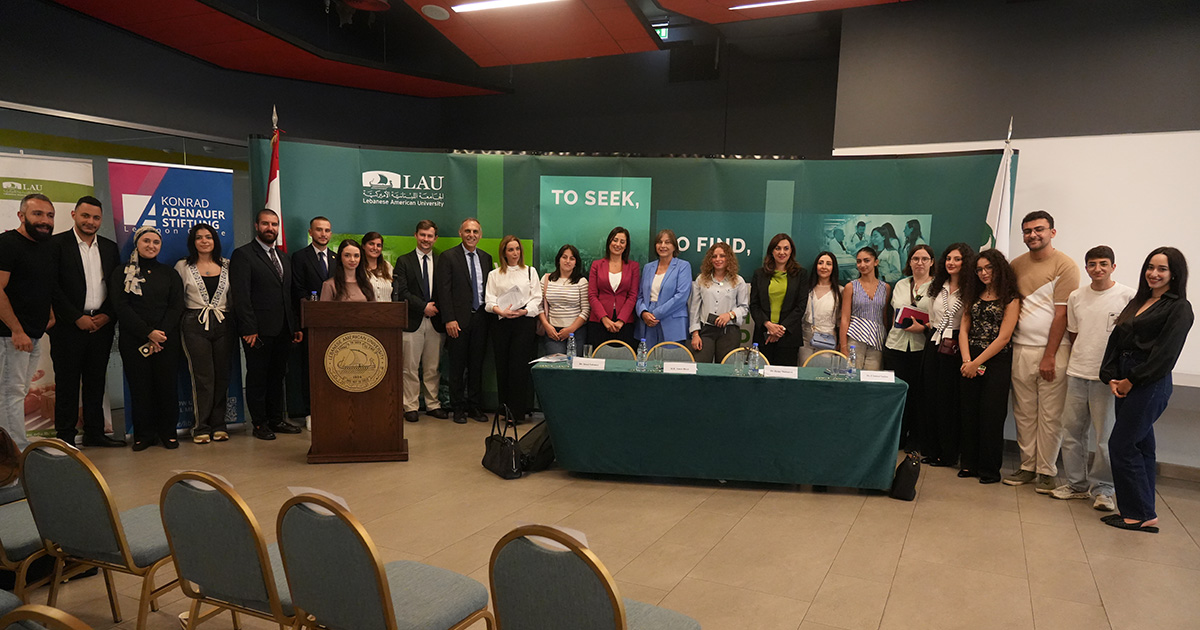
“Our GDP is 33 billion dollars, but models show it could be as high as 100 billion dollars.” Minister of Economy and Trade Amer Bisat shared this eye-opening statement at a panel recently held at LAU to an audience that included many students preparing to enter the job market.
Organized by the School of Arts and Science’s Institute for Social Justice and Conflict Resolution (ISJCR) in partnership with Konrad Adenauer Stiftung (KAS), the panel, titled “Political and Economic Priorities for Lebanon: Post-Conflict Recovery, Institutional Transformation, and Democratic Governance,” explored the strategies that Lebanon needs to become the best version of itself.
KAS Lebanon Country Director Christina Baade opened the event by reaffirming her foundation’s support for initiatives that promote open dialogue and engage the youth with policy leaders to build a better future for the country.
In his keynote address, Dr. Bisat stressed the importance of recognizing the challenges we face as a nation. Among the concerns he identified were the need for sovereignty and security, pointing to a fossilized political system that, in his view, is stifling the country’s potential. Dr. Bisat argued that sweeping reforms targeting “the banking sector, the electricity sector and the state’s legal framework” are necessary if Lebanon is to fully leverage its considerable human capital.
Political Affairs Expert and Public Policy Specialist Chantal Sarkis addressed the need to follow legal reform with effective implementation, ensuring compliance and transparency through adequate institutional staffing and training.
“An accountability body without staff is not an institution,” she noted, “it’s a letterhead.”
Sarkis took a similar approach to the question of political reform, stating that “the Taif agreement was never the problem, but rather its incomplete, selective and distorted implementation.”
Such comprehensive change requires a discussion at the national level. ISJCR Director Imad Salamey emphasized the role academia can play in facilitating that conversation, stating: “We believe universities can provide an important space where policymakers, civil society representatives and international partners can come together to establish serious dialogue.”
Lecturer in Political Studies and Public Administration at the American University of Beirut Zeina Mehanna echoed this sentiment, urging authorities to draw on the expertise of one of the country’s most enduring sectors. “Academics can play a major role in terms of advising,” she said, calling for greater coordination among governmental and civilian stakeholders under the umbrella of a national plan.
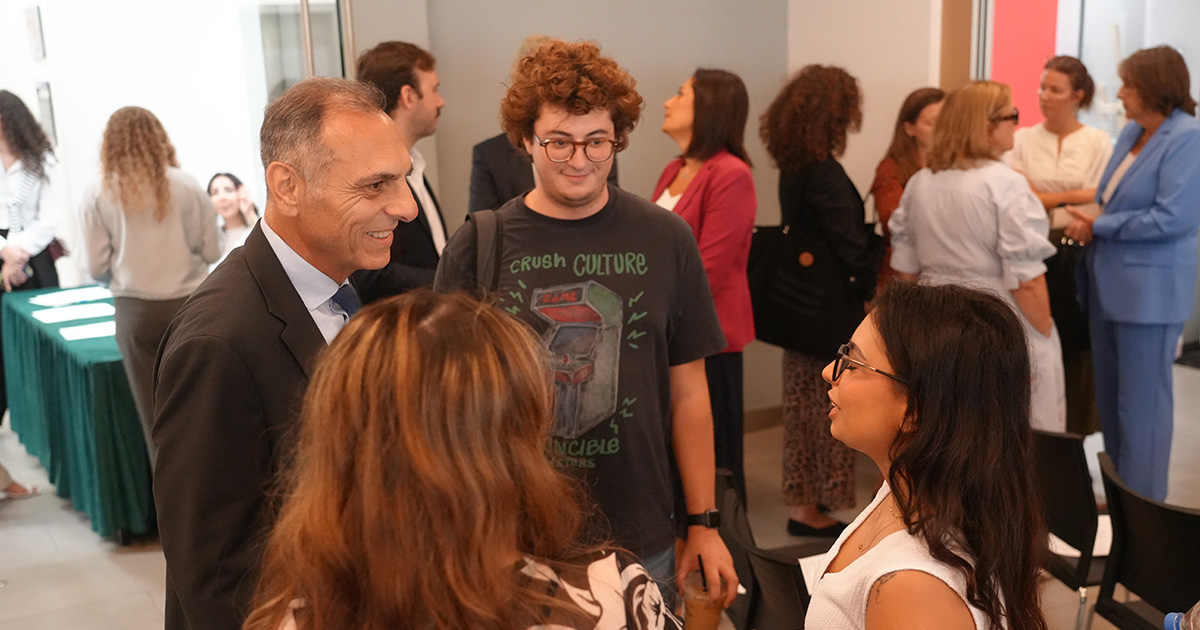
The panelists also took questions from the students in attendance, sharing their insights into the role of institutions, the complexities of the Lebanese confessional system, and the geopolitical realities of our region.
By bringing these perspectives together in an open public forum, such events allow students to engage directly with questions of national importance, helping to sustain democratic dialogue and contributing to Lebanon’s journey toward effective governance and recovery.


