A Century of Lebanese Theater
A seminar organized by the Philip A. Salem Academy for Lebanese Heritage, hosting theater director Nabil Abou Mourad, revisits a century of Lebanese theater as a living cultural memory.
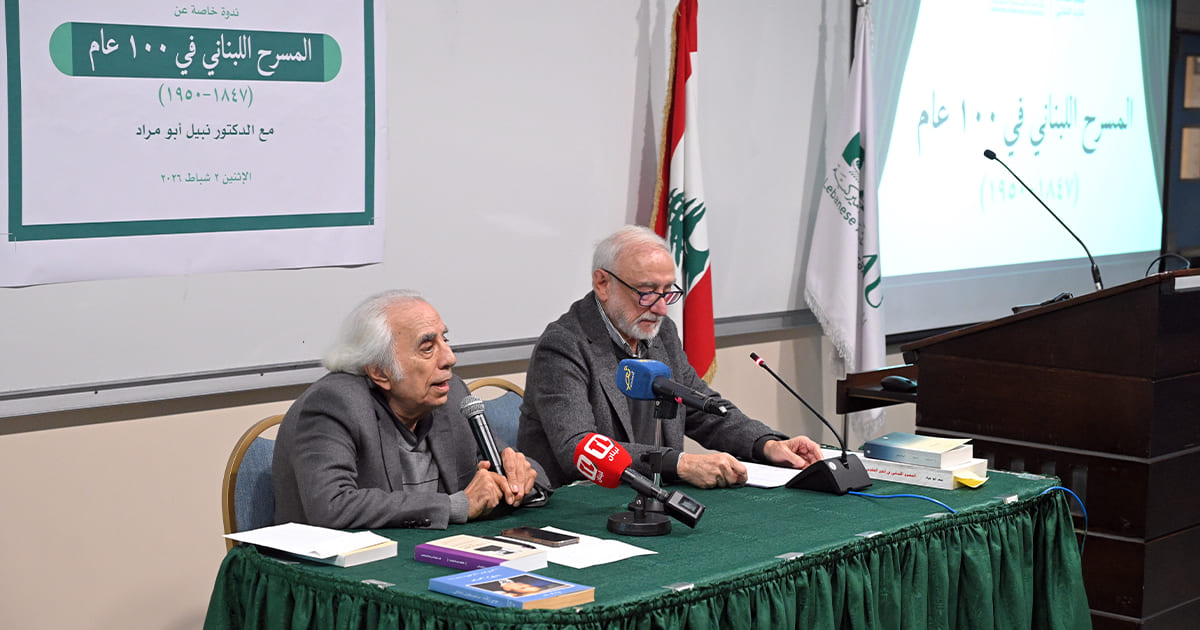
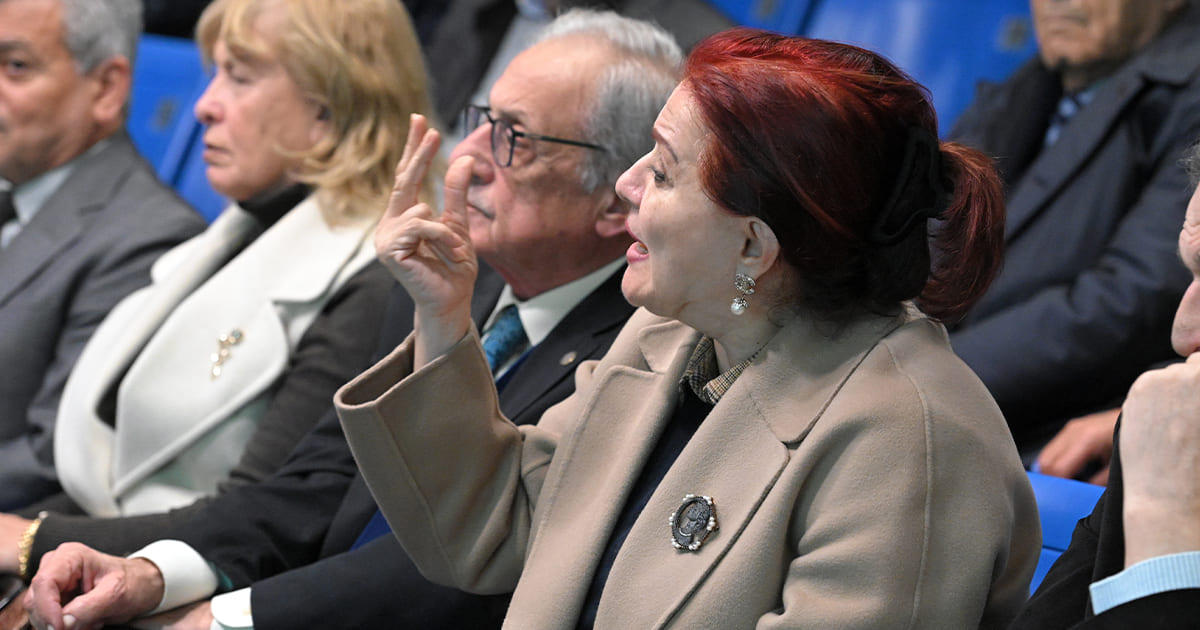
Defining theater as “one of the clearest mirrors of a society,” Director of LAU’s Philip A. Salem Academy for Lebanese Heritage Henri Zoghaib recently opened a seminar on Lebanese theater in conversation with academic researcher and theater director Nabil Abu Mourad. The discussion on February 2 at the LAU Beirut campus celebrated 100 years of theater as both an artistic expression and a repository of collective memory.
Recently renamed in honor of Dr. Philip A. Salem and his longstanding support of LAU, the academy invited the audience to consider how a century of theater has shaped Lebanon’s cultural imagination. Framing the talk, Zoghaib emphasized its enduring role as a shared cultural space, one that has long allowed society to observe itself in moments of transformation.
“Theater has always been a space where ideas, emotions, and questions are brought into dialogue with the public,” he remarked, underscoring its ability to reflect the rhythms and tensions of its time.
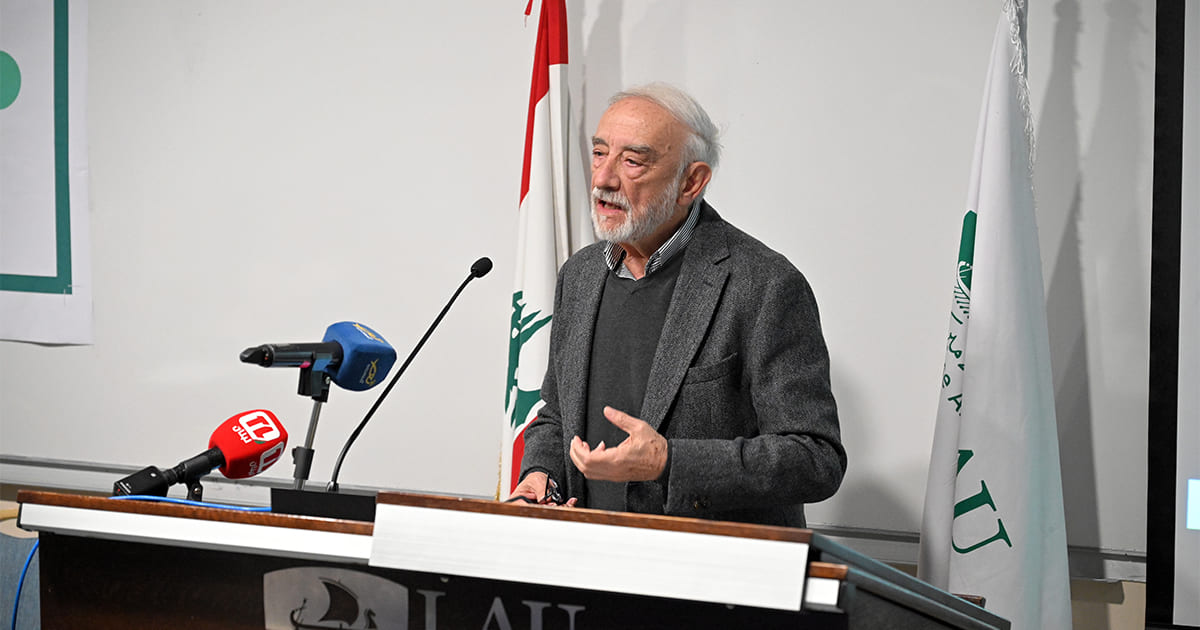
Rather than approaching theater history as a fixed chronology, Dr. Abu Mourad traced its evolution as a gradual and cumulative process, shaped by individual initiatives and sustained through cultural exchange with the wider Arab world.
He highlighted how theater practice in Lebanon developed through movement, collaboration and continuity, remaining closely tied to social life while adapting to changing contexts.
Throughout the conversation, Dr. Abu Mourad returned to the notion of theater as a collective experience, grounded in participation. Its endurance, he said, stems from its responsiveness, allowing it to remain relevant across decades while preserving its role as a space for expression and exchange.
The discussion also revisited the theaters of Beirut that once anchored the city’s cultural life, spaces that extended beyond performance to become sites of gathering, memory and shared experience. In recalling these venues, Dr. Abu Mourad stressed that preserving the theater’s heritage involves more than documenting texts or productions; it also requires remembering the places where culture was lived and witnessed.
As the seminar drew to a close, Zoghaib captured the power of the stage succinctly as a space “where society recognizes itself.”
Through this seminar and its upcoming programs, the Philip A. Salem Academy for Lebanese Heritage continues to enrich the wider national conversation by exploring culture as a means to better understand the national identity.


